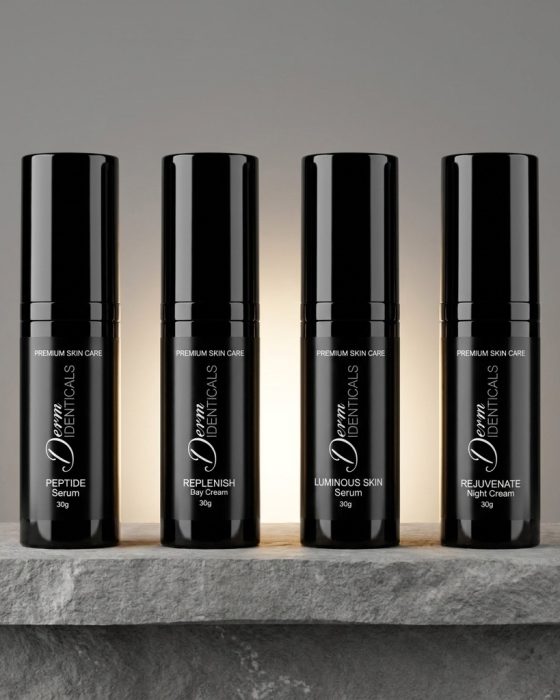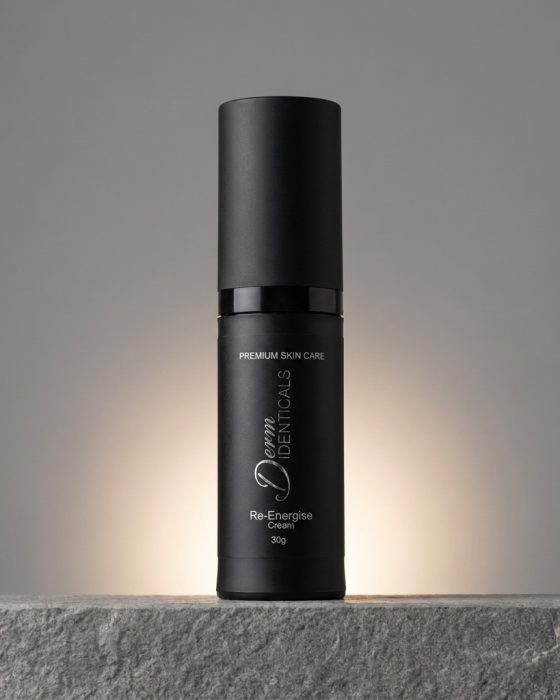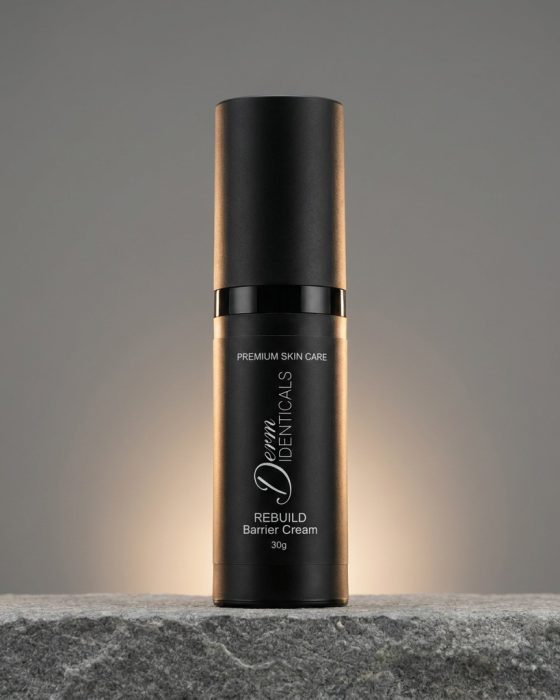
A tight, stinging feeling after a serum is not proof that it is working. For reactive complexions, the most effective sensitive skin active ingredients are those that create meaningful change without repeatedly disrupting the barrier that keeps moisture in and irritants out. That requires more than choosing a familiar ingredient. Concentration, delivery system, formula pH, supporting ingredients and how often it is used all matter.
Sensitive skin is not always a fixed skin type. It can reflect an inherited tendency towards reactivity, but it may also develop when the stratum corneum is depleted by over-exfoliation, harsh cleansing, weather, stress, hormonal change or poorly matched products. A thoughtful active routine starts by respecting that distinction: treat the concern, while restoring the conditions skin needs to tolerate treatment.
Why active ingredients can irritate sensitive skin
The skin barrier is a highly organised structure of corneocytes and intercellular lipids, including ceramides, cholesterol and fatty acids. When this structure is compromised, water escapes more readily and external substances can penetrate more easily. The result may be redness, rough texture, flaking, discomfort or a tendency to react to products that were once well tolerated.
Actives can add to this pressure in several ways. Some accelerate cell turnover, some work at a low pH, and some are simply introduced too quickly. Irritation is also not always caused by the headline ingredient. Fragrance, essential oils, drying alcohols, aggressive surfactants and an unnecessarily long ingredient list can make an otherwise appropriate formula harder to tolerate.
This is why a biomimetic, reduced-load formula is valuable. It focuses on the ingredients with a clear purpose and avoids adding common sensitivity triggers merely for scent, texture or marketing appeal. Fragrance-free skincare is particularly relevant for people whose skin is prone to flushing, itching or persistent inflammation.
Sensitive skin active ingredients worth considering
Niacinamide for barrier function and uneven tone
Niacinamide, a form of vitamin B3, is one of the most versatile actives for sensitive skin. It supports ceramide synthesis, helps improve visible uneven tone and can moderate the appearance of redness and excess oil. Its barrier-focused profile makes it a sensible choice for skin that is dehydrated yet congested, or reactive while managing pigmentation concerns.
More is not necessarily better. Some people experience warmth or temporary flushing with very high concentrations, particularly when their barrier is already impaired. A well-balanced formula at a moderate concentration, introduced consistently rather than aggressively, is often the more considered approach.
Ceramides and hyaluronic acid for hydration resilience
Ceramides are not treatment actives in the same sense as retinoids or exfoliating acids, but they are foundational for sensitive-skin routines. A multi-ceramide complex helps replenish barrier lipids and supports a smoother, more comfortable surface. Look for formulations that pair ceramides with complementary lipids, rather than treating a single ceramide as a complete barrier solution.
Hyaluronic acid works differently. Multi-weight hyaluronic acid complexes combine molecules of different sizes to support hydration at and around the skin’s surface. They can improve the look of dehydration lines and leave skin more supple, although they work best when followed by a cream that helps reduce moisture loss. On a severely compromised barrier, even hydrating serums can tingle, which is a signal to simplify and prioritise recovery.
Vitamin C for brightness, with formulation care
Vitamin C is valued for antioxidant support and its role in brightening the appearance of uneven pigmentation. However, traditional pure L-ascorbic acid formulas are often acidic, which can be uncomfortable for highly reactive skin. This does not mean vitamin C is off limits. It means the format should be chosen with care.
Stabilised vitamin C derivatives can offer a more tolerable pathway, particularly in a formula designed to minimise avoidable irritants. Begin with alternate-morning use and observe the skin for several days before increasing frequency. Persistent sting, redness or scaling is not a settling-in phase to push through.
Retinoids for visible ageing, introduced slowly
Retinoids remain among the most researched ingredients for improving the appearance of fine lines, texture and uneven tone. Yet their ability to influence epidermal renewal is also why they can cause dryness and irritation when used too frequently or combined with other intensive actives.
For sensitive skin, a modern retinoid such as Hydroxypinacolone Retinoate may be preferable to a traditional approach. Its effectiveness still depends on the whole formula and routine. Use a pea-sized amount on dry skin at night, begin one or two evenings a week, and apply a barrier-supporting cream afterwards. As tolerance develops, frequency can be adjusted gradually.
Retinoids are not appropriate during pregnancy or breastfeeding unless advised by a qualified health professional. People managing rosacea, eczema, active dermatitis or prescription treatments should also seek individual clinical guidance before adding one.
AHAs used as occasional tools
Alpha hydroxy acids can refine dull texture, visible congestion and roughness. AHAs primarily work on the skin surface but sensitive skin rarely benefits from frequent, high-strength exfoliation.
A lower-strength exfoliating treatment used sparingly can be more effective over time than a daily acid product that keeps skin inflamed. Avoid applying exfoliating acids on the same evening as a retinoid, especially while building tolerance. If your skin feels tight after cleansing, looks shiny but dehydrated, or suddenly reacts to water, pause exfoliation and return to barrier care.
Peptides, PDRN and advanced repair-focused technologies
Cosmetic peptides are short amino-acid chains used in skincare to support visible firmness and a more refined appearance. They are generally well suited to sensitive routines because they can complement treatment goals without relying on low pH or intensive exfoliation.
Advanced technologies such as PDRN and exosome-inspired cosmetic ingredients are increasingly used in repair-focused formulations. Their quality, delivery system and formula compatibility are more meaningful than a dramatic ingredient claim alone. For sensitive skin, assess these products by the same standards as any other active: a transparent formula, sensible routine placement and clear tolerance over time.
How to build an active routine without overwhelming skin
Introduce only one new active product at a time. This makes it possible to identify the cause if irritation occurs and prevents several variables from competing for the skin’s tolerance. Patch testing can be useful, but it does not replace cautious use across the face, where skin may behave differently.
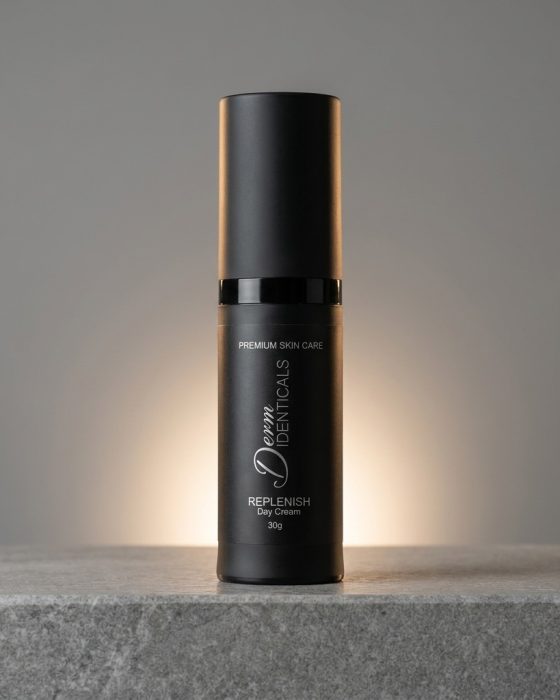
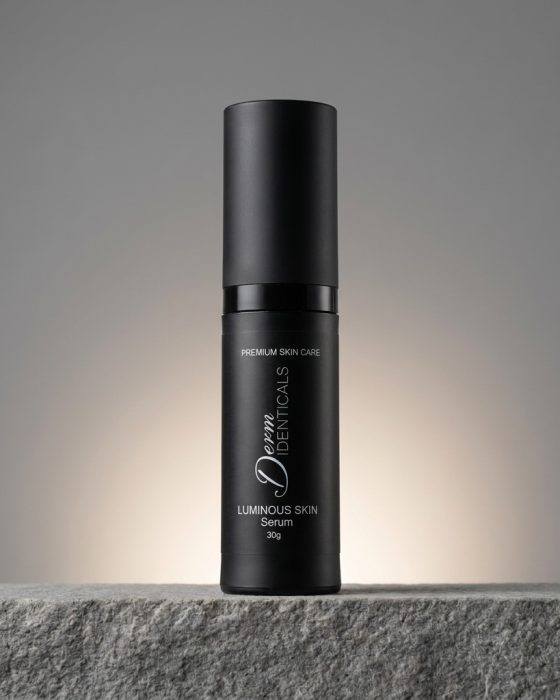
A simple morning routine might include a gentle cleanser, a hydrating non acidic Vitamin C serum, moisturiser such as our Replenish Day Cream and broad-spectrum sunscreen. Daily sun protection is essential when targeting pigmentation and signs of ageing. Without it, efforts to improve visible tone can be undermined by ongoing UV exposure.
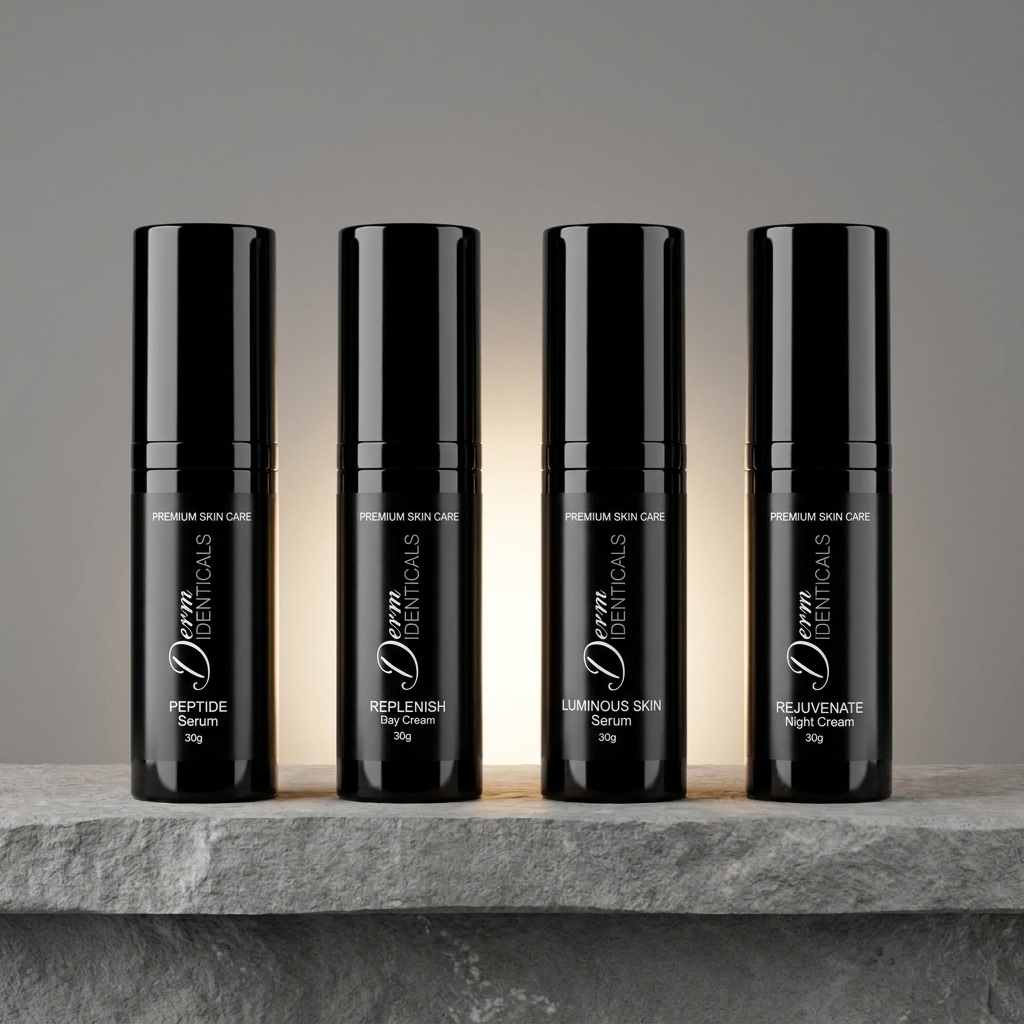
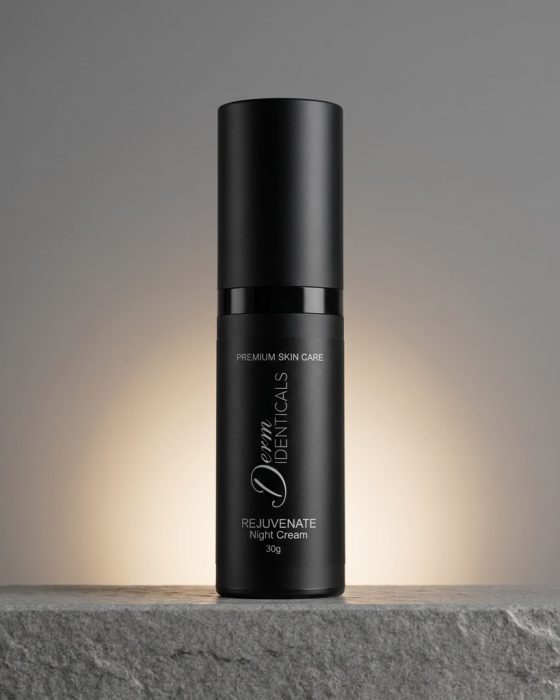
At night, choose a HPR retinoid and for one to two nights a week an exfoliation night, not both on the same night. DermIdenticals formulates within this kind of structured approach, pairing evidence-based actives with fragrance-free, barrier-conscious bases so performance does not depend on an overloaded routine.
Signs to slow down
Mild, brief tingling can occur with some actives, but burning, persistent redness, swelling, itchiness, cracked skin or worsening breakouts are reasons to stop the product. Return to a minimal routine of gentle cleansing, moisturiser and sunscreen until comfort is restored. If symptoms are severe, ongoing or accompanied by a rash, consult a dermatologist or GP.
The aim is not to make skin tolerate everything. It is to identify the level of treatment that leaves it clearer, calmer and more resilient month after month. The right active routine should feel measured: enough stimulus to support visible change, with enough barrier care for your skin to remain comfortable along the way.