A product can feel beautifully light, smell expensive and still be the reason your skin is persistently stinging. For reactive skin, the most useful change is often not another active serum but a more considered formulation standard. This fragrance free skincare guide explains how to identify unnecessary scent ingredients, support skin barrier function and keep high-performance skincare workable over the long term.
Why fragrance can be difficult for skin
Fragrance is not automatically harmful, and many people use fragranced products without obvious problems. The issue is that fragrance ingredients add exposure without contributing to hydration, barrier repair, pigment control or collagen-supporting results. For skin that is sensitised, inflamed or already managing a disrupted barrier, this additional exposure can be avoidable risk.
A fragrance blend may contain dozens of individual aromatic compounds. Some are recognised fragrance allergens, while others are protected under the broad term “parfum” or “fragrance” on an ingredient list. Essential oils, botanical extracts used chiefly for scent and naturally occurring fragrance components can create a similar problem. Lavender, citrus, peppermint, eucalyptus and rose oils may smell appealing, but natural origin does not make an ingredient inherently gentle.
Sensitivity does not always appear as an immediate rash. It can present as recurring tightness, low-level redness, itching, burning after application, flaky patches or a routine that suddenly makes every product feel too strong. These signs can overlap with acne, rosacea, eczema and over-exfoliation, which is why persistent symptoms deserve professional assessment.
Fragrance free skincare guide: reading the label
The front of a pack is a starting point, not proof of a formula’s suitability. “Unscented” can mean that a fragrance or masking ingredient has been added to neutralise the raw-material smell. “Natural fragrance” still signals a fragrance system. If reducing potential triggers is your goal, look beyond marketing language and read the full INCI ingredient list.
A genuinely fragrance-free formula should not list parfum, fragrance or essential oils included for aroma. Depending on the product and market, individual fragrance allergens may also appear on the label. Their presence does not confirm a product will cause a reaction, but it is a useful signal for people with known fragrance allergy or highly reactive skin.
There is a practical trade-off. Fragrance-free skincare may have a faint clinical, waxy or ingredient-led scent, particularly in formulations containing lipids, peptides, antioxidants or botanical actives. That scent is not necessarily a flaw. It is often what remains when a formula has not been covered with perfume. A product should be pleasant enough to use consistently, but a perfumed experience is not a measure of efficacy.
Barrier health changes what your skin can tolerate
The skin barrier is the outermost protective system that helps limit water loss and defend against environmental irritants. Its organised structure is often described as skin cells held within a lipid matrix containing ceramides, cholesterol and fatty acids. When this structure is functioning well, skin tends to feel comfortable, hydrated and more resilient.
When it is compromised, even ordinarily well-tolerated products can sting. Common contributors include frequent scrubbing, strong cleansers, overuse of AHAs, BHAs or retinoids, dry weather, sun exposure and repeated use of fragranced products. Adding more treatments in response can create a cycle of irritation rather than improvement.
Fragrance-free selection works best as part of a barrier-first approach. Choose a mild cleanser that leaves skin comfortable rather than squeaky-clean, follow with a humectant-rich serum if dehydration is a concern, and use a moisturiser containing biomimetic lipids such as ceramides. Daily broad-spectrum sunscreen is equally central, particularly when using brightening ingredients, exfoliating acids or retinoids.
Build a routine that does not compete with itself
A simplified routine is not a lesser routine. It creates the consistency required for evidence-based actives to perform, while making it easier to identify what your skin does and does not tolerate.
In the morning, cleanse only if needed, apply a targeted antioxidant or brightening serum, moisturise, then use sunscreen. Stabilised vitamin C and niacinamide can be valuable choices for uneven tone and environmental support, provided the overall formula suits your skin. If your skin is dry or reactive, apply moisturiser before sunscreen and avoid chasing a tingling sensation as proof that a product is working.
At night, focus on repair and one primary treatment pathway. A gentle retinoid such as Hydroxypinacolone Retinoate may support smoother texture and age-related concerns, while carefully introduced AHAs can help with congestion and surface dullness. Do not begin a retinoid, exfoliating peel and high-strength vitamin C routine all at once. Fragrance-free products reduce one potential trigger, but they do not make an overly aggressive active schedule suitable.
For many people, alternating treatment nights with barrier-support nights is more productive than using multiple actives every evening. On non-treatment nights, cleanse, use a hydrating serum if desired, then apply a replenishing moisturiser. Skin biology responds to regular, tolerable use far better than short periods of intensity followed by inflammation.
Introduce actives with clinical discipline
Patch testing is a sensible precaution, particularly if you have a history of contact dermatitis, eczema or unexplained reactions. Apply a small amount to an inconspicuous area as directed over several days, then monitor for itching, swelling, persistent redness or rash. A patch test cannot guarantee that facial skin will react in the same way, but it can identify obvious intolerance before full application.
Introduce one new product at a time and allow at least one to two weeks before adding another, unless a clinician has advised otherwise. This is especially relevant for retinoids, acid exfoliants and potent antioxidant systems. If stinging, redness or flaking develops, stop the newest product, return to a gentle barrier-focused routine and allow skin to settle.
Those with diagnosed fragrance allergy should discuss ingredient avoidance with a dermatologist or qualified health professional. Severe swelling, hives, blistering or symptoms affecting the eyes require prompt medical care. Cosmetic skincare can support skin comfort and appearance, but it is not a substitute for diagnosis or treatment of inflammatory skin conditions.
Consider the whole formulation, not one claim
Fragrance-free is a meaningful filter, but it is only one part of responsible product selection. A formula can be free from fragrance yet still be unsuitable because of an excessively high active concentration, a drying cleanser base or an ingredient your individual skin does not tolerate. Equally, a well-designed active formula may contain sophisticated delivery systems that improve performance while maintaining comfort.
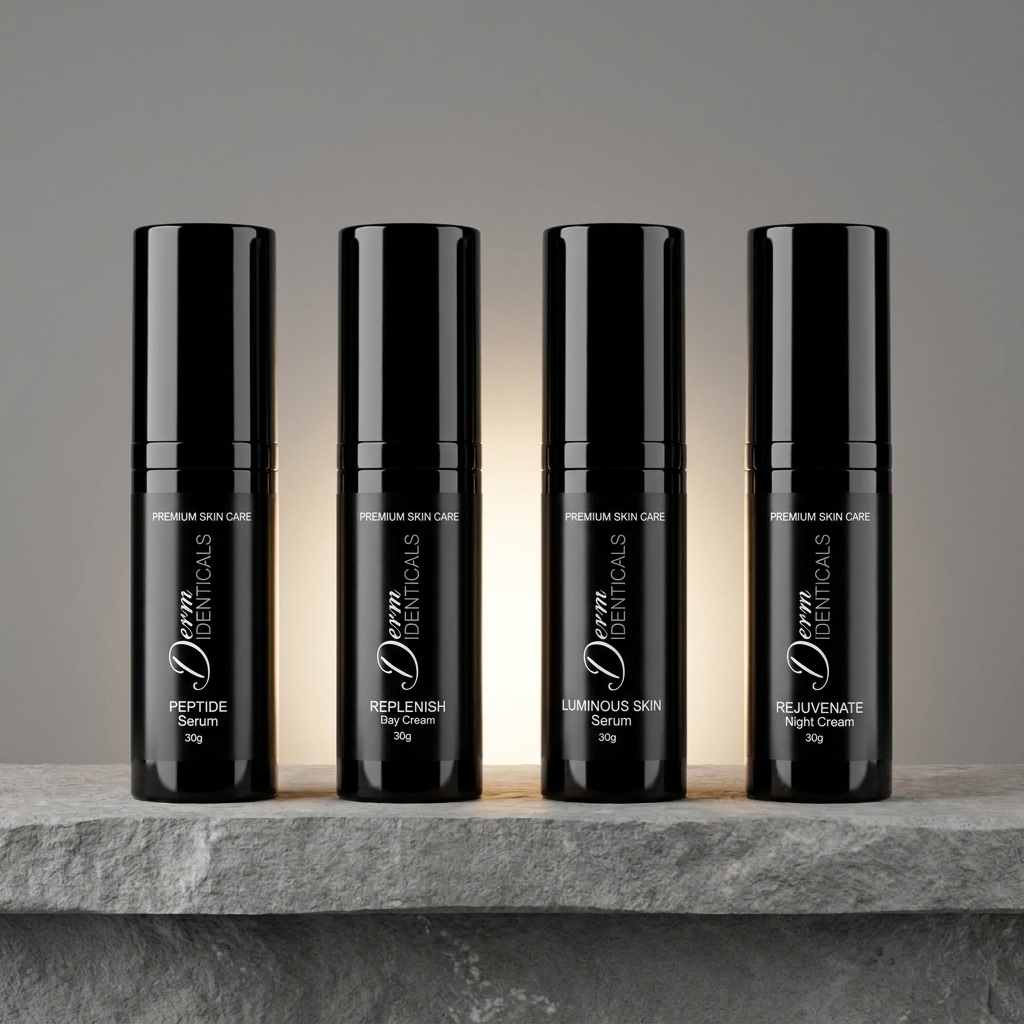
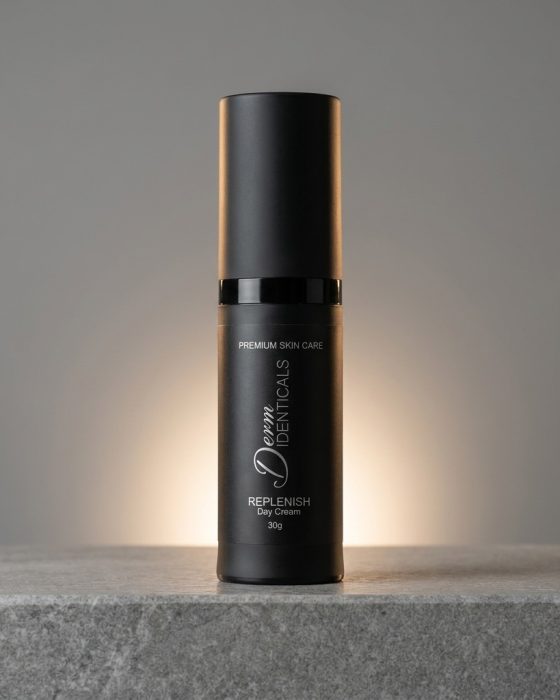
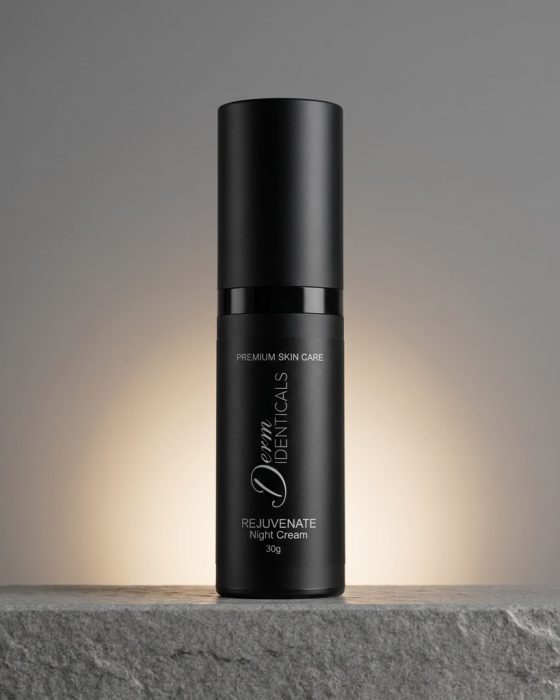
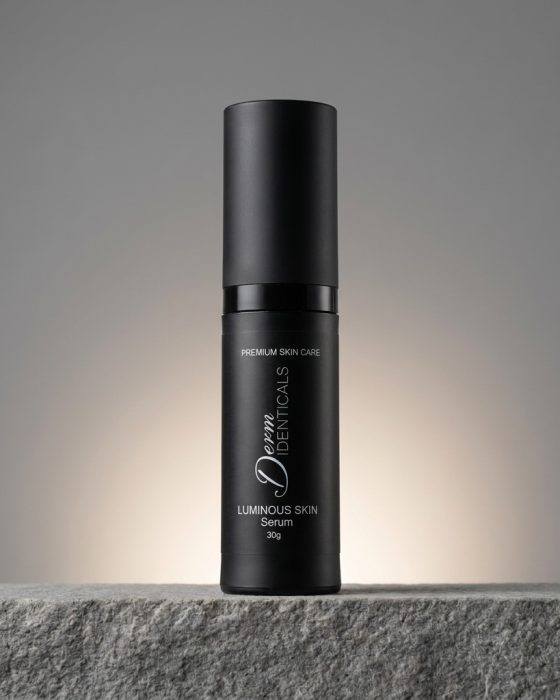
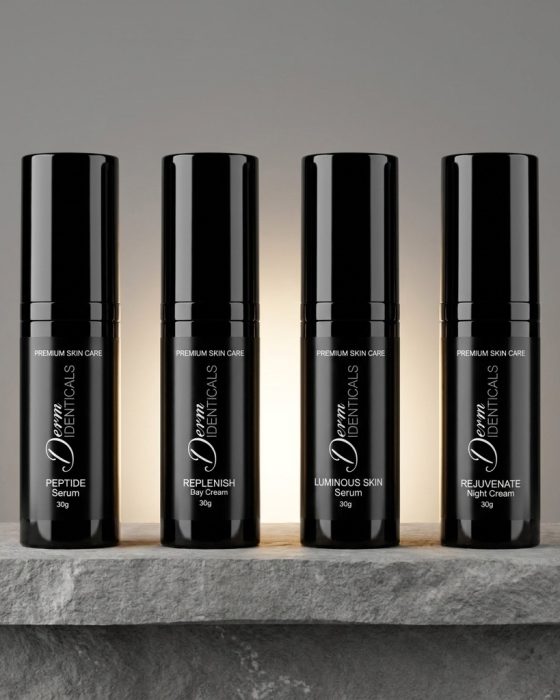
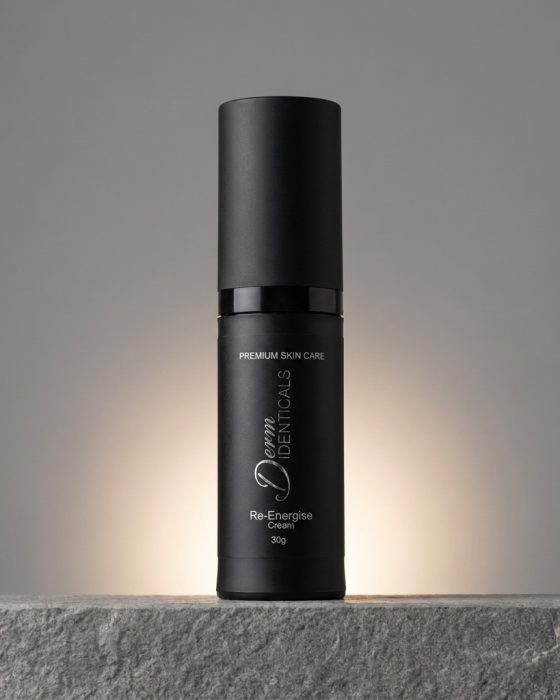
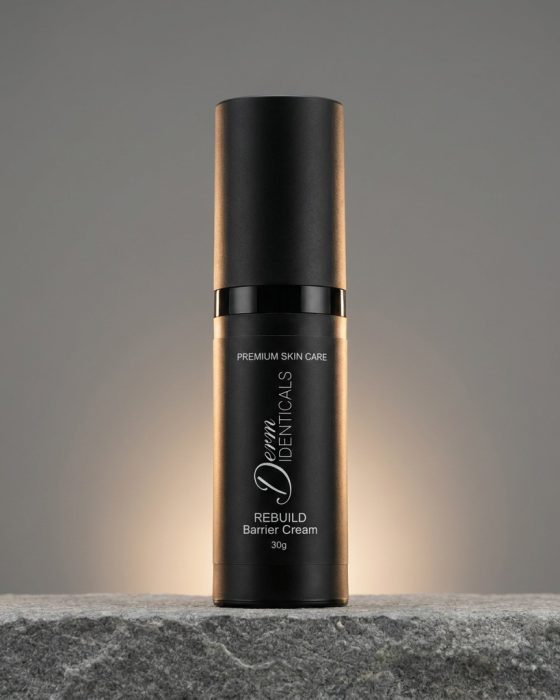
Look for formulations with a deliberate ingredient load: effective actives, supportive humectants, emollients and barrier lipids, and fewer decorative additions that do not serve a clear skin function. DermIdenticals applies this principle through its CLEANICAL approach, pairing clinically oriented actives with fragrance-free, reduced-ingredient formulations designed to respect sensitive and compromised skin.
Your needs can also change with season, age, medication and treatments. A lightweight gel moisturiser may suit humid summer conditions, while winter, air conditioning or mature skin may call for a richer ceramide cream. The right routine is not the one with the longest ingredient list. It is the one your skin can use comfortably and consistently enough to become stronger over time.
Fragrance-free skincare is best viewed as a practical standard of care, not a passing trend. When every ingredient has a purpose, your routine becomes quieter, easier to assess and better able to support the healthy, resilient skin you are working towards.