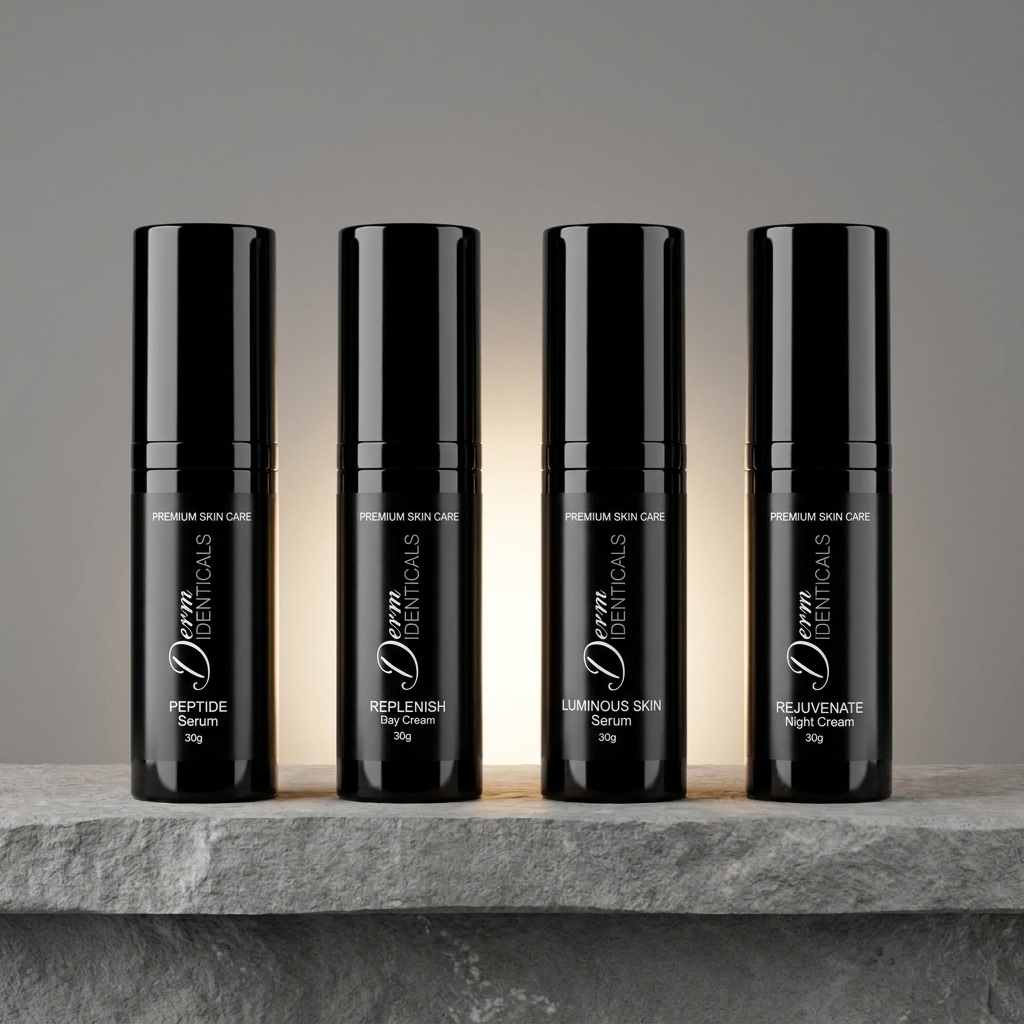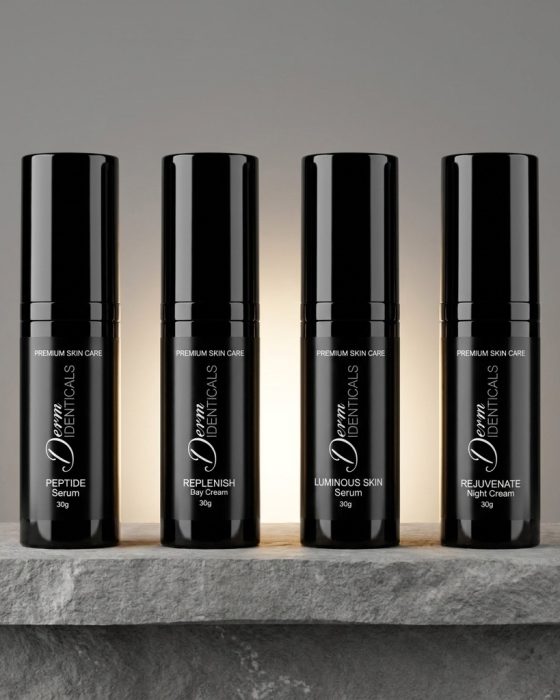
Since its inception Dermidenticals has aimed to create a premium quality cosmeceutical skin care range that was not only simple to use but one that utilises ingredients that are Skin Identical (hence DermIdenticals) and Biomimetic.
We were using this approach before they became buzzwords in the cosmetic industry however there seems to be a little confusion what the difference is.
Firstly, the basic premise of biomimetics in skin care is that it mimics existing components and biological mechanisms that occur naturally in our skin or in nature.
There are three main approaches to the use of biomimetics in skin care products:
-
Use of skin identical ingredients that can mimic our skin’s natural composition
Therefore it is important to understand the composition of the skin in order to determine the best ingredients to use in your skin care. The skin is composed of an outer layer known as the epidermis which is composed of keratinocyte cells which serves as a protective barrier in combination with several lipids (fats) which include ceramides, cholesterol and fatty acids. The outermost layer of the epidermis known as the stratum corneum and contains natural moisturizing factor (NMF). It is a complex mixture of water soluble compounds, such as amino acids, organic acids, urea, and inorganic ions. This NMF makes up about 10% of the stratum corneum. And the major components of this NMF is sodium lactate, urea, and pyrrolidone carboxylic acid (or sodium PCA).
Underneath the epidermis lies the dermis layer which is composed mainly of collagen, elastin and what is called ground substance which is composed mainly of hyaluronic acid and chondroitin. Sebaceous glands within these skin layers secrete sebum onto the skin which forms the majority of lipids that cover the skin.
The composition of sebum is approximately 45% triglycerides, 25% wax esters, 12% squalene, 10% fatty acids and 4% cholesterol while the composition of the epidermis itself is 30-35% fatty acids (with the majority being oleic acid, palmitic acid, linoleic acid and stearic acid), 30-35% ceramides and 30-35% cholesterol. Phosphatidylcholine is one of the constituents of all cell membranes so is another important lipid found in skin cell membranes.
The aim is to create a cream that mimic’s the composition of the epidermis and sebum in order to nourish the skin with ingredients that can help it maintain its barrier function so many of the compounds that comprise the skin structure mentioned above are used as skin identical ingredients.
2. Imitate certain biological pathways that naturally occur in the skin.
The second approach in biomimetic skin care is to imitate various pathways that occur in the skin. Compounds found in the dermis layer like collagen and elastin are too large to absorb through the skin if applied as a cream so in order to maintain youthful levels of these compounds within this layer of the skin we need to support their production by imitating certain pathways to maintain skin elasticity and structure. For example this is where biomimetic signalling peptides have become popular as they can help maintain the structure and elasticity of the skin by stimulating various pathways that support these essential components of the skin in much the same way as endogenous compounds regulate these processes but due to various reasons such as aging no longer do so effectively. Dermidenticals uses a number of key ingredients to imitate various pathways.
3. Transposition of a biological mechanism occurring in nature to cosmetic products’ mode of action
The final approach used in biomimetics is to transpose a biological mechanism found in nature to the skin. An example of this could be reproducing the defence mechanism of a plant against UV radiation into a skin care product.
Dermidenticals products are biomimetic.This means that they are formulated with skin identical ingredients that work in harmony with the physiology of your skin. Skin identical ingredients can include: ceramides, triglycerides, cholesterol, squalane, phospholipids, urea and hyaluronic acid, to name a few. They work to strengthen the barrier function, creating healthier more youthful looking skin that is less prone to problems and premature ageing. We also utilise biomimetic peptides and other vitamin compounds to support various pathways to support the deeper layers of the skin.