The conversation about exosome skincare benefits is a compelling one, but it deserves a measured assessment rather than the usual promise of instant skin renewal. For skin that is reactive, dehydrated or showing visible signs of ageing, the right question is not whether an ingredient is new. It is whether the formula supports healthier-looking skin without placing unnecessary stress on the barrier.
Exosomes are being explored in cosmetic skincare for their potential role in skin communication and recovery-focused care. Although they provide a promising and important role they are not a replacement for barrier lipids, vitamin A, antioxidants or the consistency that gives these ingredients time to work.
What are exosomes in skincare?
Exosomes are tiny extracellular vesicles. In biological systems, cells release these lipid-bound particles as part of normal cell-to-cell communication. They can carry proteins/peptides, lipids and signalling molecules, which is why they have attracted significant interest in regenerative medicine research. Their unique ability to penetrate the skin and deliver these compounds makes them a powerful tool for addressing aging, hydration, and skin repair, offering a natural, sustainable addition to traditional cosmetic ingredients.
In topical skincare, exosome technology is formulated for cosmetic use, often using materials derived from plant or cell-culture sources. The intended role is to support the appearance of youthful skin structure and resilience through advanced delivery and skin-conditioning pathways. Cosmetics should be assessed by their formulation quality, safety profile and realistic visible outcomes – not by claims borrowed from clinical medicine.
This distinction matters. Exosome research is evolving rapidly, but the evidence base for finished topical cosmetic products is still emerging. Results can vary according to the source of the material, purification process, concentration, formulation stability and the rest of the routine. A credible approach makes room for promise without overstating certainty.
Exosome skincare benefits: what may be realistic
The most useful way to think about exosomes is as a supportive technology within a well-designed formula. They may help enhance a routine focused on slowing the aging process by prioritizing building skin resilience, delaying age-related issues, and optimizing biological functions to benefit the skin particularly when paired with established actives and barrier-conscious ingredients.
A more resilient-looking skin barrier
When the skin barrier is compromised, water escapes more readily and exposure to everyday triggers can feel more noticeable. Skin may look tight, dull, flaky or uneven, while active products that were once tolerable can suddenly sting.
Exosome-containing formulas are commonly positioned to support skin comfort and a healthier-looking barrier. In practice, this benefit should sit alongside proven barrier components such as ceramides, humectants, cholesterol, fatty acids and soothing agents. Exosomes are not a substitute for these fundamentals. They may be a valuable addition when the formula also gives the barrier the lipids and water-binding support it requires.
Support for visible recovery after stress
Skin stress is not limited to aggresive professional treatments. A disrupted routine, over-exfoliation, dry indoor air, sun exposure or an ill-advised combination of strong actives can all leave skin looking less even and feeling unsettled.
A carefully formulated exosome product may suit periods when the priority is restoring comfort and improving the look of skin texture rather than escalating treatment intensity. This can be particularly useful for people who are tempted to respond to every breakout, spot or line with more acids. Often, the more strategic choice is a short period of recovery-focused care.
Smoother texture and improved radiance
As hydration and surface barrier function improve, skin can appear plumper, smoother and more reflective. This is one reason exosome skincare is often associated with radiance and a fresher appearance. The visible change is likely to be gradual and may reflect several factors working together: better hydration, less visible dryness and a more consistent routine.
For established texture concerns, exosomes should not be treated as a stand-alone correction. Retinoids, peptides, niacinamide, vitamin C, etc can still have a clear role, provided they are introduced thoughtfully. The benefit of a recovery-supportive formula is that it may help the skin better tolerate a disciplined, long-term approach rather than a cycle of aggressive treatment and irritation.
A complementary approach to age-related concerns
Fine lines, loss of bounce and uneven tone develop through many overlapping processes, including cumulative UV exposure, reduced collagen support, dehydration and inflammation. No single cosmetic ingredient resolves all of them.
Exosomes may complement an anti-ageing routine by supporting the overall conditions in which skin looks healthier and more rested. For active treatment, evidence-backed ingredients such as stabilised vitamin C, retinoids, niacinamide and peptides remain central to a complete strategy.
The formulation matters as much as the technology
An exosome label alone tells you very little. Not all exosomes are created equal. We have searched the globe evaluating various exosomes from many different manufacturers in order to find the best exosomes available. We evaluated many exosomes most of which we would not use in our products however we eventually found a reputable source in Europe who are ahead in this field and not only quantify (which is a bare minimum) their exosomes but also characterise the exosome content and source engineer their exosomes to form exosomes with an increased cargo load and thus enhanced exosomes. They have performed clinical studies in vitro and in vivo to support the effects of their exosomes unlike many other suppliers. We believe these are the best plant based exosomes currently available.
Advanced ingredients are only as useful as their inherent quality, delivery system, stability and compatibility with the skin. A formula should also make sense for the person using it.
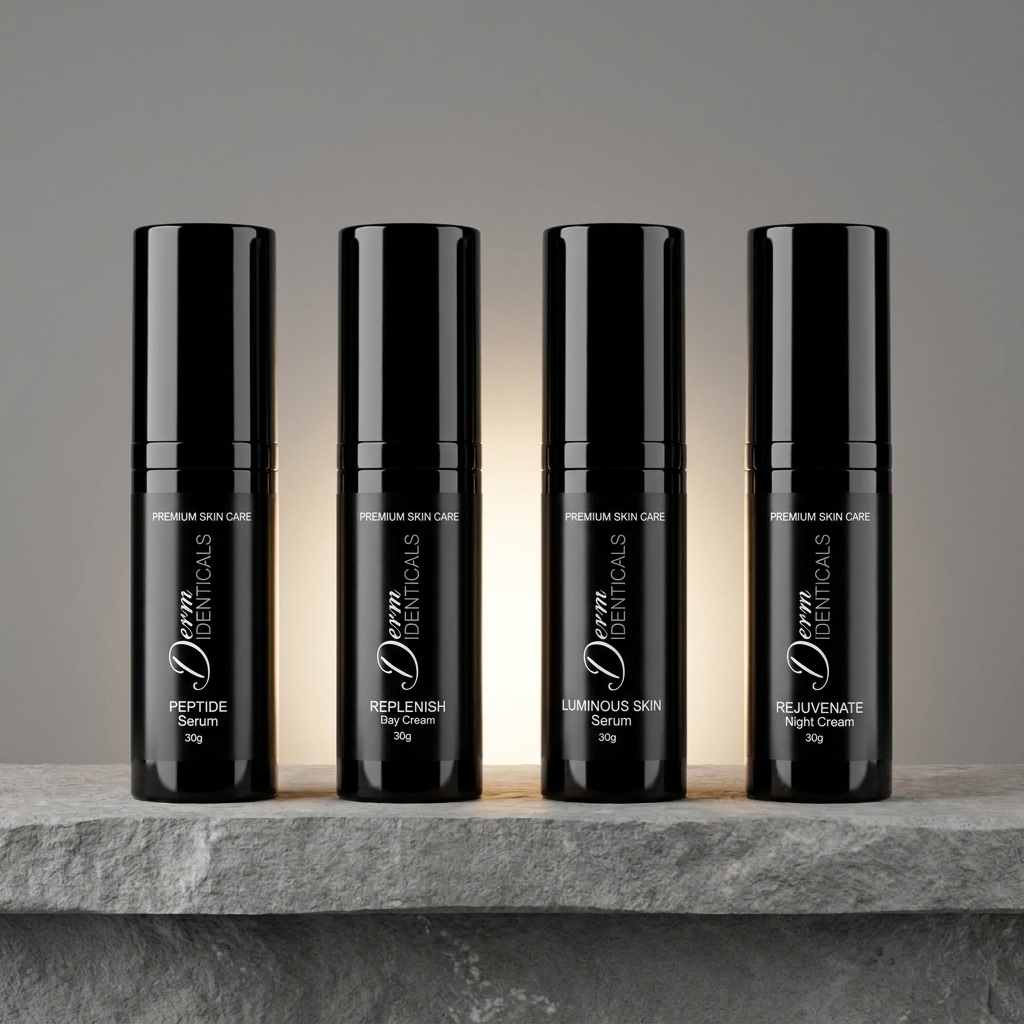
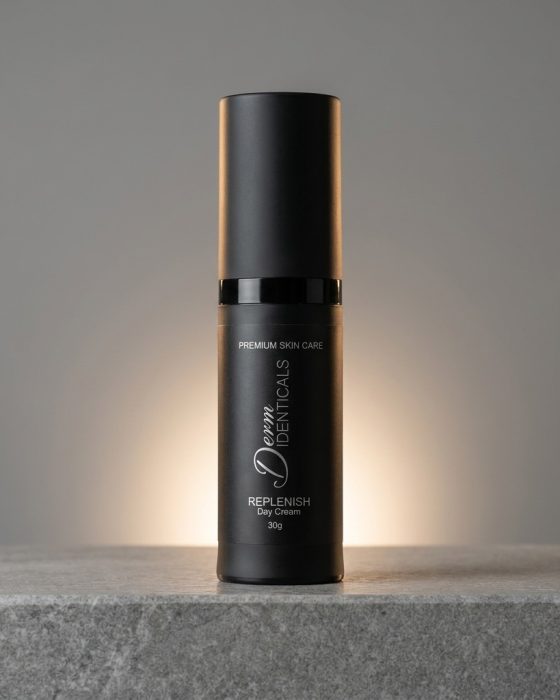
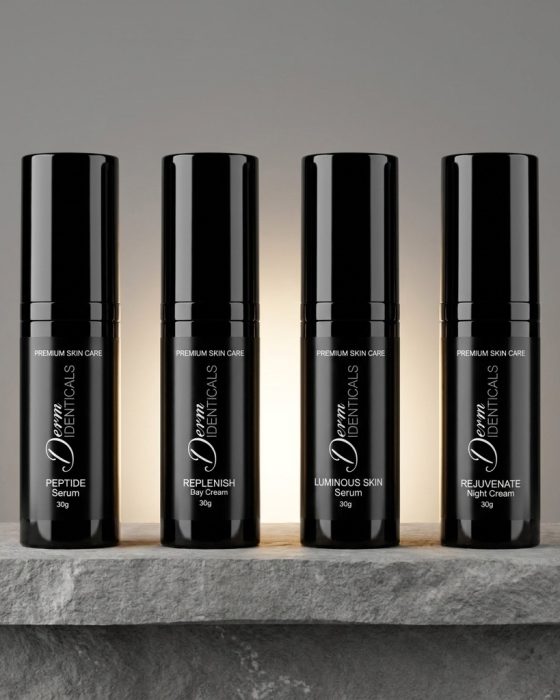
For sensitive or inflammation-prone skin, a reduced ingredient load can be an advantage. Fragrance, unnecessary essential oils and exfoliants may create noise around an otherwise promising active. A fragrance-free, biomimetic formula that prioritises barrier function is often the more sensible setting for sophisticated technology much like our Replenish day Cream.
Consider the wider ingredient architecture. Multi-weight hyaluronic acid can support hydration at the surface, ceramides can help replenish barrier lipids, and niacinamide may assist with visible uneven tone and barrier support. Cosmetic peptides can add another targeted layer for firmness-focused routines. The goal is not to collect every active available. It is to choose ingredients with complementary roles and avoid combinations your skin cannot comfortably sustain.
How to introduce an exosome product carefully
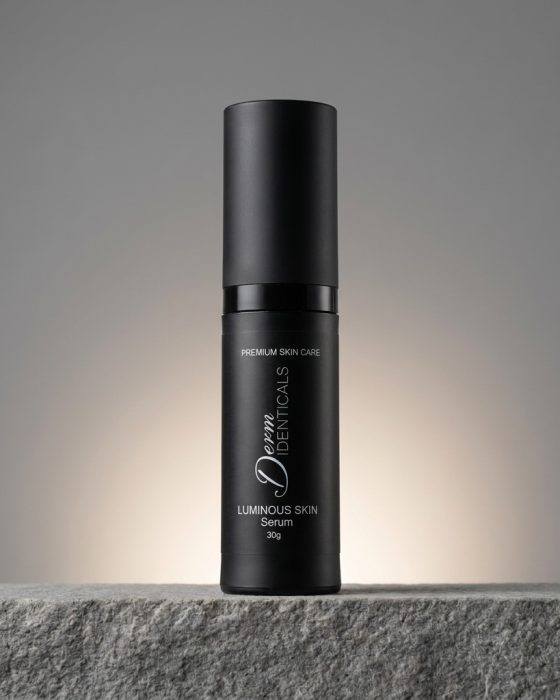
Most exosome skincare products are designed as leave-on serums or creams. Follow the instructions supplied with the specific product, as concentrations and supporting actives differ. If in a serum format (our Luminous Serum) apply it to clean, dry or slightly damp skin after cleansing and before a moisturiser. If it is in a moisturiser like our Replenish Day Cream then simply apply after cleansing.
Although exosomes are very well tolerated if your skin is reactive, begin applying every second day. Keep the rest of the routine uncomplicated for the first week or so. This makes it easier to see whether your skin is becoming more comfortable and hydrated, or whether a formula is not the right match. If there are no adverse signs after the week then move onto daily application.
As with any new active if you are dealing with persistent stinging, redness or peeling, pause stronger actives and simplify the routine rather than trying to treat irritation with more products.
Always use sunscreen in the morning, particularly if your routine includes retinoids or AHAs. A recovery-oriented product cannot offset the visible damage associated with unprotected UV exposure.
Who may benefit most?
Exosome skincare may appeal to those who want to invest in long-term skin quality rather than chase dramatic overnight changes. It can be a considered option for dehydrated or stressed-looking skin, for people balancing preventative anti-ageing care with sensitivity, and for mature skin that needs replenishment alongside targeted treatment.
It may be less appropriate to expect an exosome cosmetic to treat medical skin conditions, deep scarring, significant pigmentation or inflammatory acne. These concerns can require professional assessment and, in some cases, prescription or in-clinic treatment. Cosmetic skincare can support the look and feel of skin, but it has clear limits.
The strongest case for exosomes is not that they make the basics obsolete. It is that, in a conscientious and well-balanced formula, they may add a sophisticated layer of support to the basics that protect skin for the long term. Choose the product that helps your routine remain calm, consistent and sustainable – your skin is more likely to reward that patience than a crowded bathroom shelf.