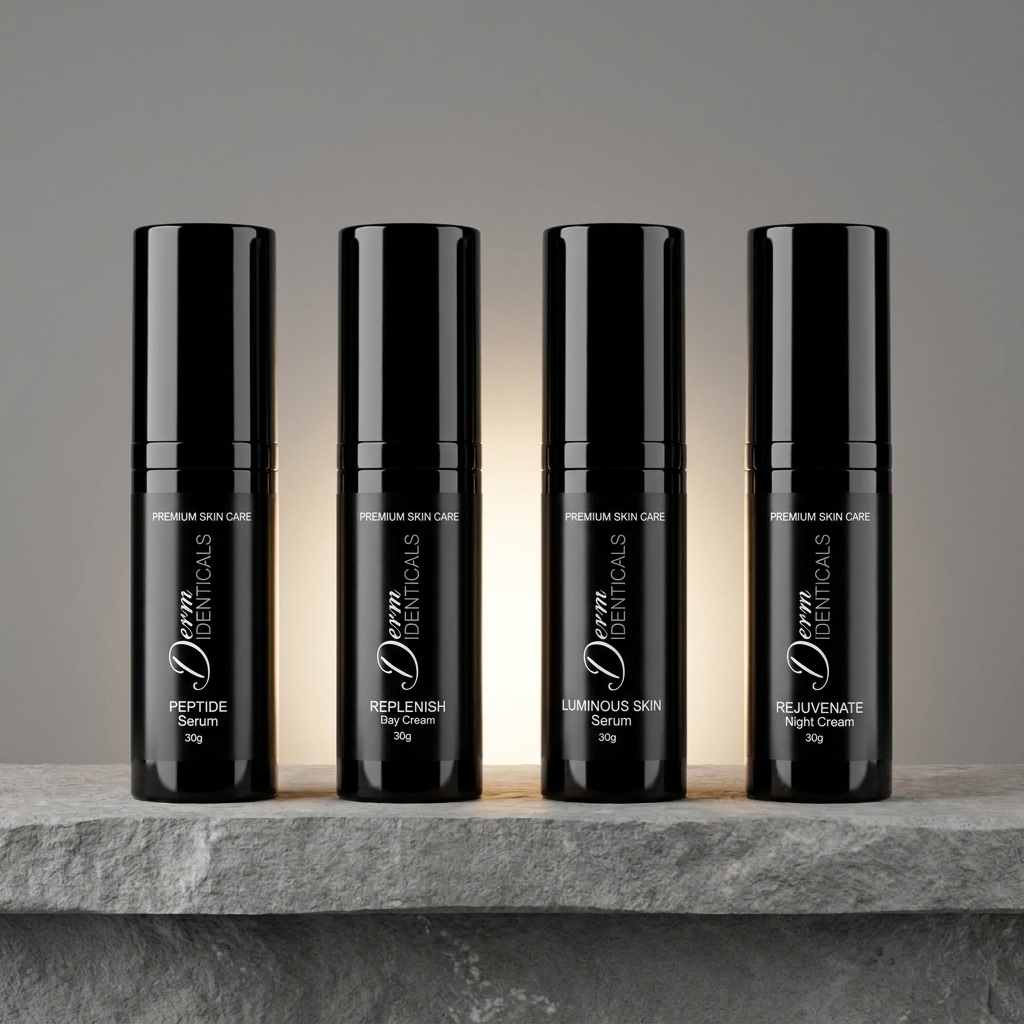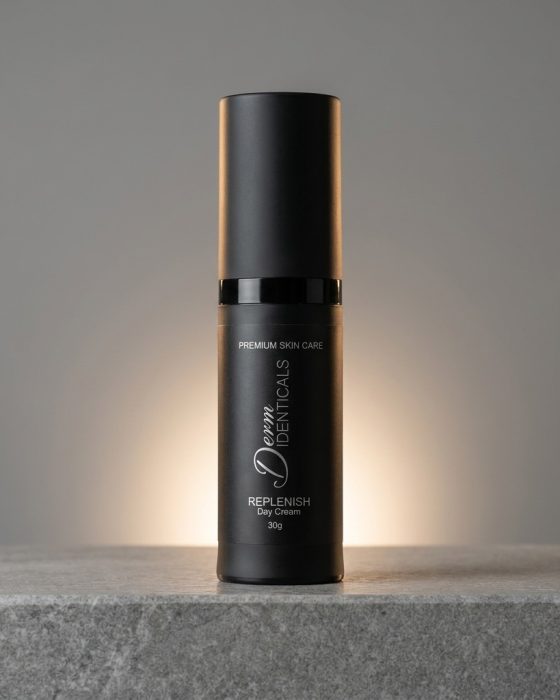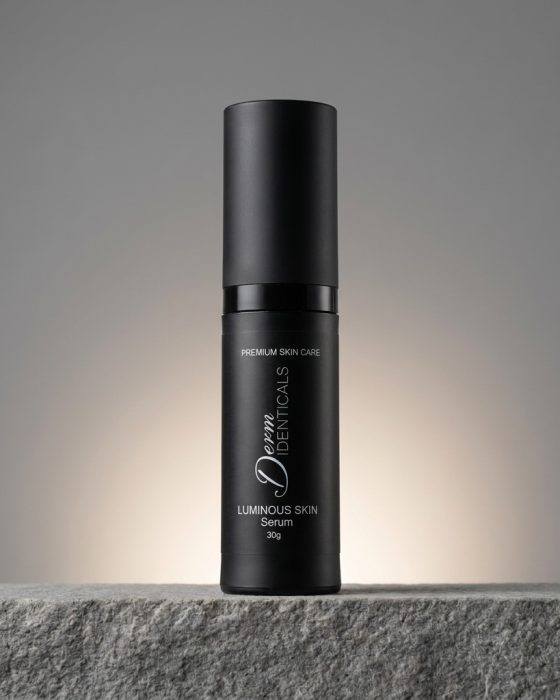
Skin does not need to be overwhelmed to change. The most meaningful biomimetic skincare benefits come from using ingredients and delivery systems that work in step with the skin’s own structures, particularly its protective barrier, water-binding network and renewal processes. For reactive, dehydrated or ageing skin, that compatibility can make the difference between a routine that is tolerated long term and one that repeatedly triggers irritation.
Biomimetic skincare is not a marketing synonym for “natural”. It is a formulation approach: selecting materials that resemble substances already found in skin, or that communicate with skin in biologically relevant ways. Think barrier lipids such as ceramides, humectants such as hyaluronic acid, and cosmetic peptides designed to support visible firmness and smoothness. The aim is to help skin function more effectively, not to force dramatic results at the expense of comfort.
What biomimetic skincare means in practice
Healthy skin is an active, organised system. Its outermost layer, the stratum corneum, is often described as a brick-and-mortar structure. Skin cells form the bricks, while a carefully balanced matrix of ceramides, cholesterol and fatty acids acts as the mortar. Together, these components slow water loss and help defend against environmental stressors.
A biomimetic formula is designed with this biology in mind. Rather than simply applying a heavy occlusive layer, it may combine skin-identical or skin-compatible lipids with humectants and soothing agents to support the conditions in which the barrier performs well. This matters when skin feels tight despite moisturiser, becomes easily flushed, or reacts to products that once seemed harmless.
The same principle applies to hydration. Hyaluronic acid occurs naturally in the skin and binds water. In topical skincare, a multi-weight hyaluronic acid complex can provide hydration across different levels of the skin’s surface, helping create a more cushioned, comfortable appearance. It does not replace the body’s own hyaluronic acid or permanently alter skin structure, but it can improve the look and feel of dehydration when used within a well-designed formula.
The key biomimetic skincare benefits
Better support for the skin barrier
Barrier support is the foundation of nearly every effective routine. When the barrier is compromised, water escapes more readily through transepidermal water loss. Skin may feel dry, sting when products are applied, develop flaky patches, or look dull and uneven. It can also become less tolerant of active ingredients that would otherwise be useful.
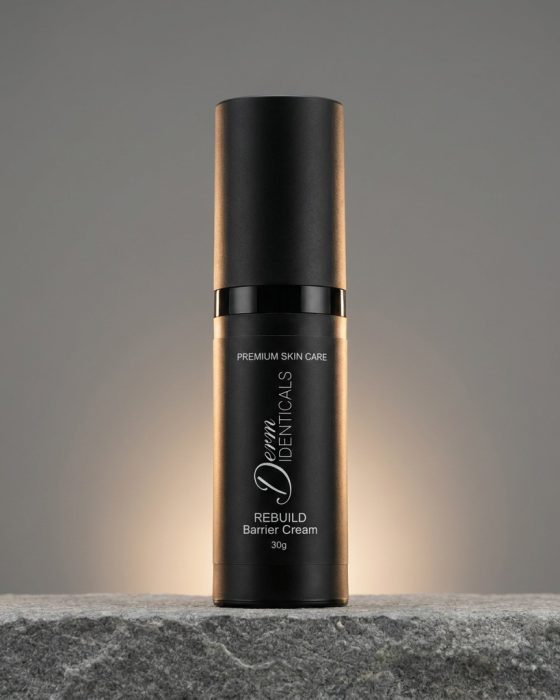
Ceramide-rich moisturisers are a clear example of biomimetic design. Ceramides are naturally present in the barrier, and a five-ceramide complex can help replenish the lipid environment on the skin’s surface. When paired with compatible emollients and humectants, this approach supports softness, reduces the sensation of tightness and improves the skin’s ability to retain moisture.
The benefit is not limited to people who identify as having sensitive skin. Retinoids, exfoliating acids, dry weather, air conditioning and over-cleansing can all place pressure on the barrier. A biomimetic moisturiser can provide a useful buffer around more active treatment steps.
More comfortable hydration, not just surface slip
Many moisturisers make skin feel soft immediately. That sensation can be valuable, but it is not always evidence of lasting hydration. Biomimetic formulas focus on the interdependence of water and lipids: humectants attract water, emollients improve flexibility and surface smoothness, and barrier-supporting lipids help reduce moisture loss.
This layered approach is particularly relevant for mature skin, where lipid production and water retention can decline, and for acne-prone skin that has been over-dried by aggressive cleansing or spot treatments. The right texture still depends on your skin. A richer barrier cream may be ideal for dry or sensitised skin, while combination skin may prefer a lighter, fragrance-free lotion or serum beneath a targeted moisturiser.
Greater tolerance of proven active ingredients
Biomimetic skincare does not mean avoiding effective actives. It means building a routine that gives those actives a better chance of being used consistently. Consistency matters more than a short burst of overly aggressive treatment followed by weeks of inflammation and recovery.
For uneven tone and environmental stress, stabilised vitamin C can support antioxidant protection and a brighter-looking complexion. Niacinamide may assist barrier function, improve the appearance of uneven tone and help regulate the look of excess oil. Retinoids, including Hydroxypinacolone Retinoate, are valued for supporting smoother texture, clearer-looking pores and visible signs of skin ageing.
Each ingredient can be useful, but none is universally suitable at every strength or frequency. If your skin is dry, inflamed or peeling, restoring comfort should take priority over adding another exfoliant or increasing retinoid use. A calmer barrier often makes it easier to reintroduce treatment products gradually and obtain better visible results over time.
Support for visible renewal and firmness
Biomimetic technologies can also include cosmetic peptides, PDRN and exosome-based ingredients. These are sophisticated categories, but they should be understood with care. In cosmetics, their role is to support the appearance of smoother, more hydrated and revitalised skin. They are not medical treatments, injections or a substitute for dermatological care.
Cosmetic peptides are short amino-acid sequences selected for their ability to interact with the skin’s surface in targeted ways. Depending on the peptide and formula, they may support the look of firmness, fine lines or overall skin smoothness. PDRN and exosome technologies are increasingly used in advanced cosmetic formulations because of their skin-conditioning potential, although outcomes depend heavily on ingredient quality, concentration, stability and the complete formula.
For established concerns such as deeper lines, pronounced pigmentation or persistent redness, expectations should remain realistic. Biomimetic skincare can improve skin quality and support a more resilient appearance, but it cannot replicate prescription treatment or procedures where these are clinically indicated.
Why a reduced ingredient load matters
A formula can contain excellent ingredients and still be difficult for sensitive skin to tolerate. Fragrance, essential oils, harsh surfactants and unnecessary extras may increase the chance of discomfort, especially when the barrier is already under strain. A clinically oriented, reduced ingredient load is not about making skincare less sophisticated. It is about being selective.
Fragrance-free formulas with thoughtful exclusions, including common sensitivity triggers such as sulfates, PEGs, parabens and propylene glycol, can help simplify troubleshooting. This does not mean every excluded ingredient is harmful to every person. Sensitivity is individual, and formulation safety depends on dose, product type and the overall system. However, fewer potential irritants can be a sensible starting point for people who have experienced stinging, redness or recurrent reactions.
This is where the biomimetic approach becomes especially practical. A product designed to complement barrier biology should not undermine that goal with a crowded formula that adds avoidable sensory triggers.
How to build a biomimetic routine
Start with the skin concern that is most immediate. If skin is uncomfortable, dry or reactive, begin with a gentle cleanser, a hydrating serum and a ceramide-focused moisturiser. Use this simplified routine for long enough to understand how your skin responds before layering in strong actives.
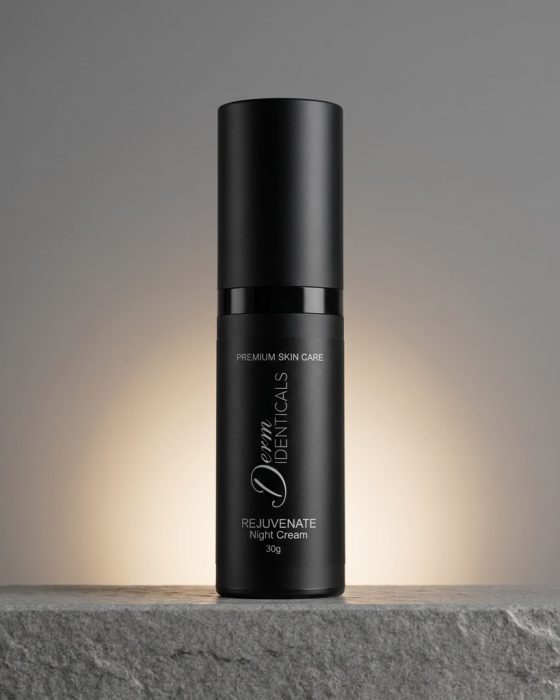
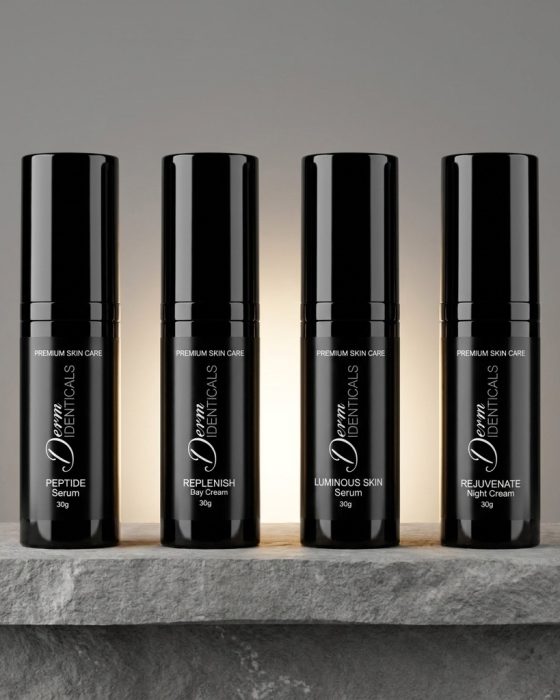
If pigmentation, texture or signs of ageing are the priority, introduce a targeted product. Brightening Serums, Peptide serums and Vitamin C serums are commonly used, followed by moisturiser and broad-spectrum sunscreen. A retinoid may be introduced at night. A non irrittating form such as our Rejuuvenate Night Cream is perfect for this. Exfoliating AHAs can be useful for texture and congestion, but they should not be used on the same night as a retinoid and only applied one to two nights a week.
The best frequency is the one your skin can maintain without persistent tightness, burning or visible peeling. More product is not necessarily more progress. If irritation develops, pause active treatments, return to a gentle barrier routine and seek professional advice for ongoing or severe symptoms.
Choosing formulations with purpose
Look beyond an ingredient name on the front of the bottle. Consider whether the formula is fragrance-free, whether it provides barrier support alongside treatment actives, and whether its texture suits your climate, skin type and routine. Packaging matters too: light- and air-sensitive ingredients such as vitamin C and retinoids benefit from thoughtful stabilisation and protective packaging.
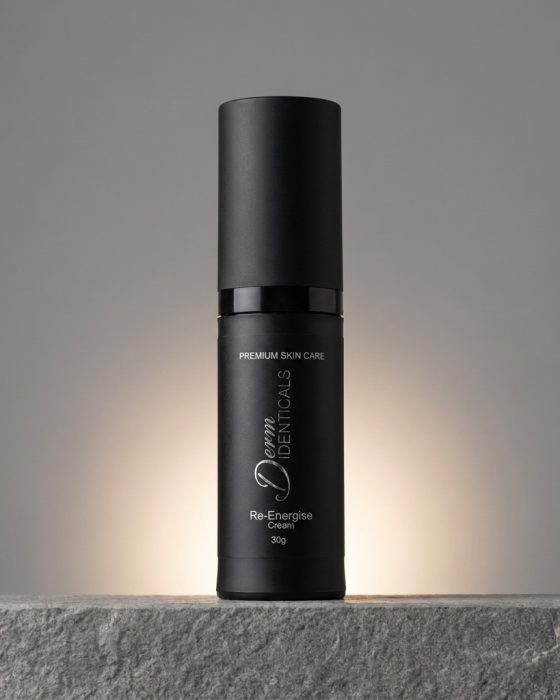
DermIdenticals approaches biomimetic skincare through targeted, CLEANICAL formulations that pair recognised actives with barrier-conscious support. For people who have spent years switching between complicated products, a smaller, structured routine can be both more effective and easier to sustain.
Skin responds best to patient, informed care. Choose formulas that respect its protective systems, introduce treatments with restraint, and allow enough time for resilience to become visible.