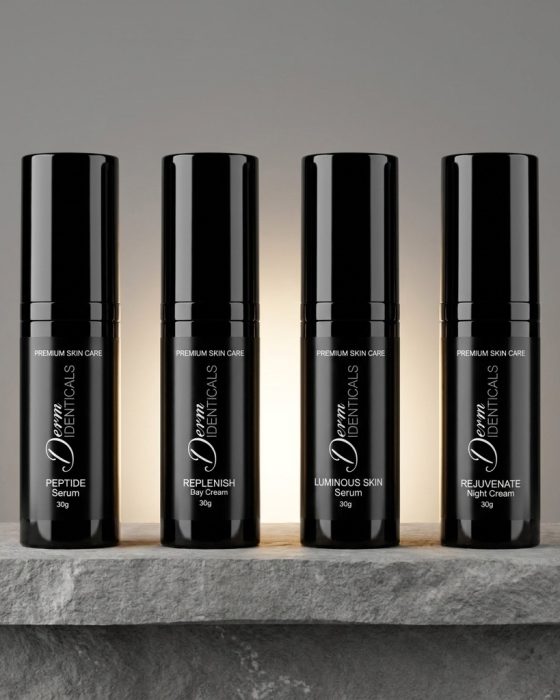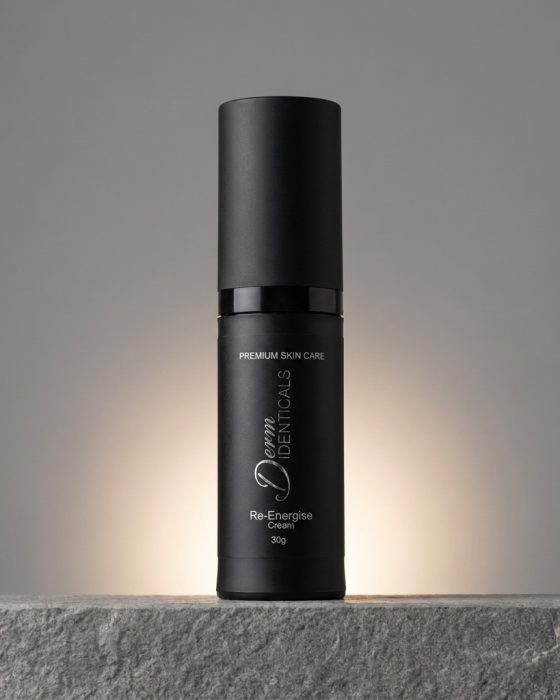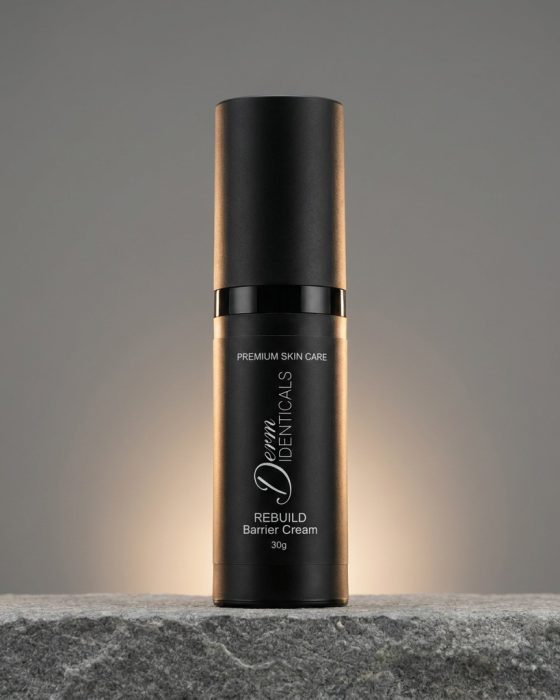
A complexion can feel tight, rough or reactive even when it looks shiny. That is where the discussion around ceramides versus hyaluronic acid becomes more useful than a simple choice between two popular ingredients. One helps reinforce the skin’s protective structure; the other helps bind water within the skin. Both can be valuable, but they address different parts of skin hydration.
For skin that is dry, sensitised, over-exfoliated or adapting to active treatments, choosing the right support can make the difference between a routine that performs and one that gradually compromises comfort. The most effective approach is usually not to pick a winner. It is to understand what your skin is signalling.
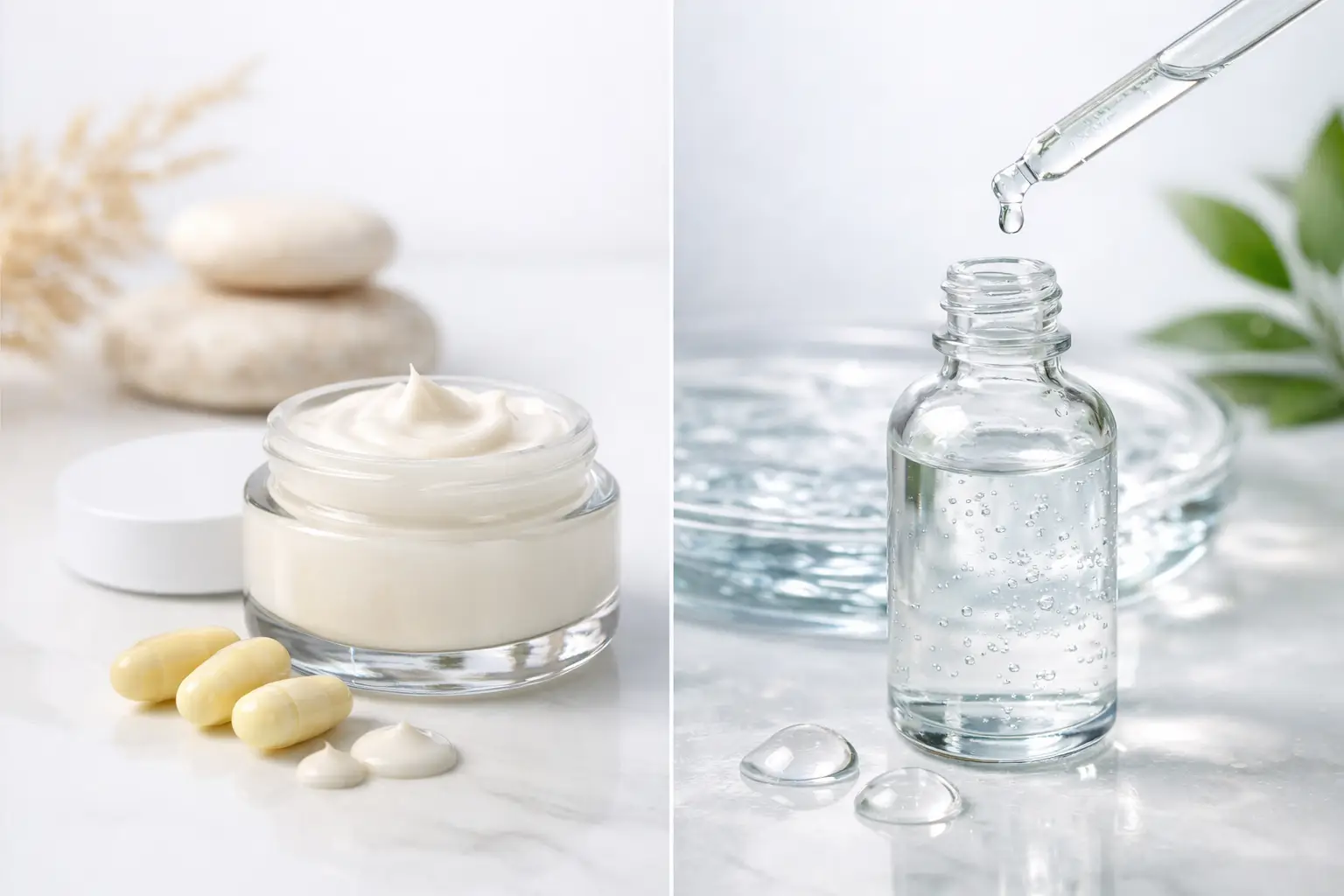
Ceramides versus hyaluronic acid: the key difference
Ceramides are lipids, or fatty molecules, found naturally in the outermost layer of the skin. They sit between skin cells alongside cholesterol and free fatty acids, forming a structured lipid matrix. Think of this matrix as the mortar between bricks: it helps keep water in and external irritants out.
Hyaluronic acid is a humectant. It attracts and holds water, helping the skin appear more supple, cushioned and hydrated. It is naturally present in the skin, although its level and distribution can change with age, environmental exposure and skin stress.
The distinction matters. Hyaluronic acid increases water availability, while ceramides help reduce the water loss that can leave skin persistently dry. If hyaluronic acid is added to a routine without adequate barrier support, especially in very dry conditions, its plumping effect may be short-lived. Conversely, a ceramide-rich cream can improve comfort and resilience, but dehydrated skin may still benefit from water-binding ingredients underneath it.
What ceramides do for the skin barrier
The skin barrier has a demanding role. It needs to retain moisture while managing exposure to UV radiation, dry air, wind, pollution, cleansing surfactants and potentially irritating ingredients. When barrier function is impaired, skin may sting, flake, feel tight, become red more easily or react to products that were previously well tolerated.
Ceramides help restore the lipid balance that supports this barrier. In skincare, they are especially useful for people with dry, mature, sensitive or compromised skin, including those using retinoids, chemical exfoliants or vitamin C formulations. They can also benefit oily or acne-prone skin when dehydration and irritation are contributing to excess oil production or uneven texture.
A well-considered ceramide formulation does more than add a single lipid to a cream. It considers the broader lipid environment. Ceramides are often paired with cholesterol and fatty acids, as this combination more closely reflects the skin’s own barrier composition. Biomimetic formulations are designed with this principle in mind: supporting what the skin already uses rather than overwhelming it with a long, unnecessary ingredient list. We use a combination of 5 ceramides in our products which include: Ceramide EOP, Ceramide NG, Ceramide NP, Ceramide AG, Ceramide AP combined with cholesterol and fatty acids to ensure a comprehensive array of biomimetic ingredients are supplied to the skin.
Ceramides do not usually create an instant, visibly plumped finish in the way a humectant serum can. Their value is cumulative. With consistent use, they can help skin feel less vulnerable, more comfortable and better able to tolerate an evidence-led active routine.
What hyaluronic acid does for dehydrated skin
Hyaluronic acid is often associated with hydration, and rightly so. It is highly effective at binding water, giving skin a smoother, fresher appearance and reducing the look of fine dehydration lines. It is particularly useful when skin feels papery, lacks bounce or appears dull despite producing enough oil.
Dehydration is not the same as dryness. Dry skin lacks oil and supportive lipids, while dehydrated skin lacks water. A person can have oily, combination or acne-prone skin and still be dehydrated. This is why lightweight hyaluronic acid serums can be helpful across many skin types.
Molecular weight affects how a hyaluronic acid complex behaves. Larger molecular weight forms tend to create a hydrating film at the skin’s surface, helping to soften and reduce moisture evaporation. Smaller molecular weight forms are designed to support hydration in different layers of the upper skin. Multi-weight hyaluronic acid complexes therefore offer a more complete hydration profile than relying on one molecular size alone. We use a multi weight Hyaluronic acid complex in all our products that have sodium hyaluronate listed as an ingredient.
However, hyaluronic acid is not a substitute for moisturiser. Applying a humectant serum to very dry skin and leaving it unsealed can occasionally increase tightness, particularly in air-conditioned offices, heated homes or low-humidity climates. Combine it with a barrier-supportive moisturiser to help retain the water it has attracted.
Which ingredient should you choose?
Choose ceramides first when your skin feels reactive, dry, rough or persistently tight, or when your routine includes exfoliating acids and retinoids. They are also a sensible priority after a period of irritation, excessive cleansing, seasonal dryness or a professional treatment that has left the skin temporarily sensitised.
Choose hyaluronic acid first when your main concern is dehydration: skin that looks flat, feels tight after cleansing or develops fine lines that improve briefly after applying moisturiser. It can also be an excellent option for people who want lightweight hydration beneath sunscreen and make-up.
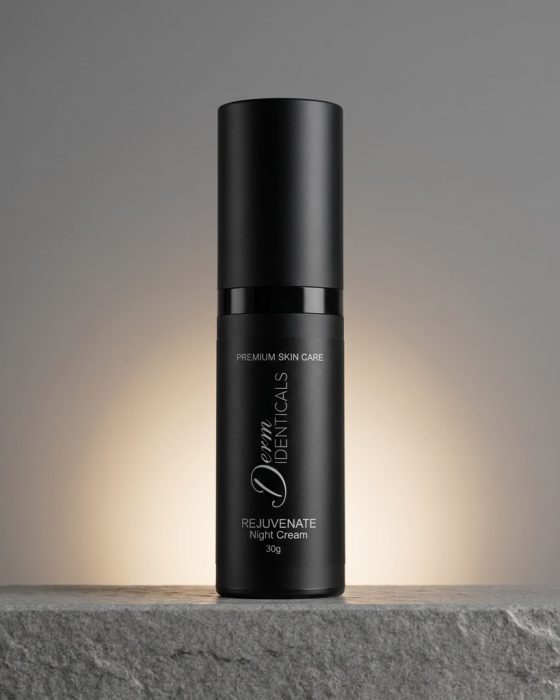
In practice, most skin benefits from both. Hyaluronic acid supplies water-focused hydration, then ceramides help protect that hydration by strengthening the barrier. This pairing is particularly relevant from the 30s onwards, when skin may be managing environmental stress alongside gradual changes in moisture retention and lipid production hence why we use both in our creams.
There are exceptions. If a hyaluronic acid serum pills under sunscreen, feels sticky or is layered with too many other serums, simplify the routine. If a ceramide cream feels too rich for humid weather or oily skin, use a lighter lotion texture or reserve a richer formula for night-time. The best formulation is one your skin can tolerate consistently.
How to layer ceramides and hyaluronic acid
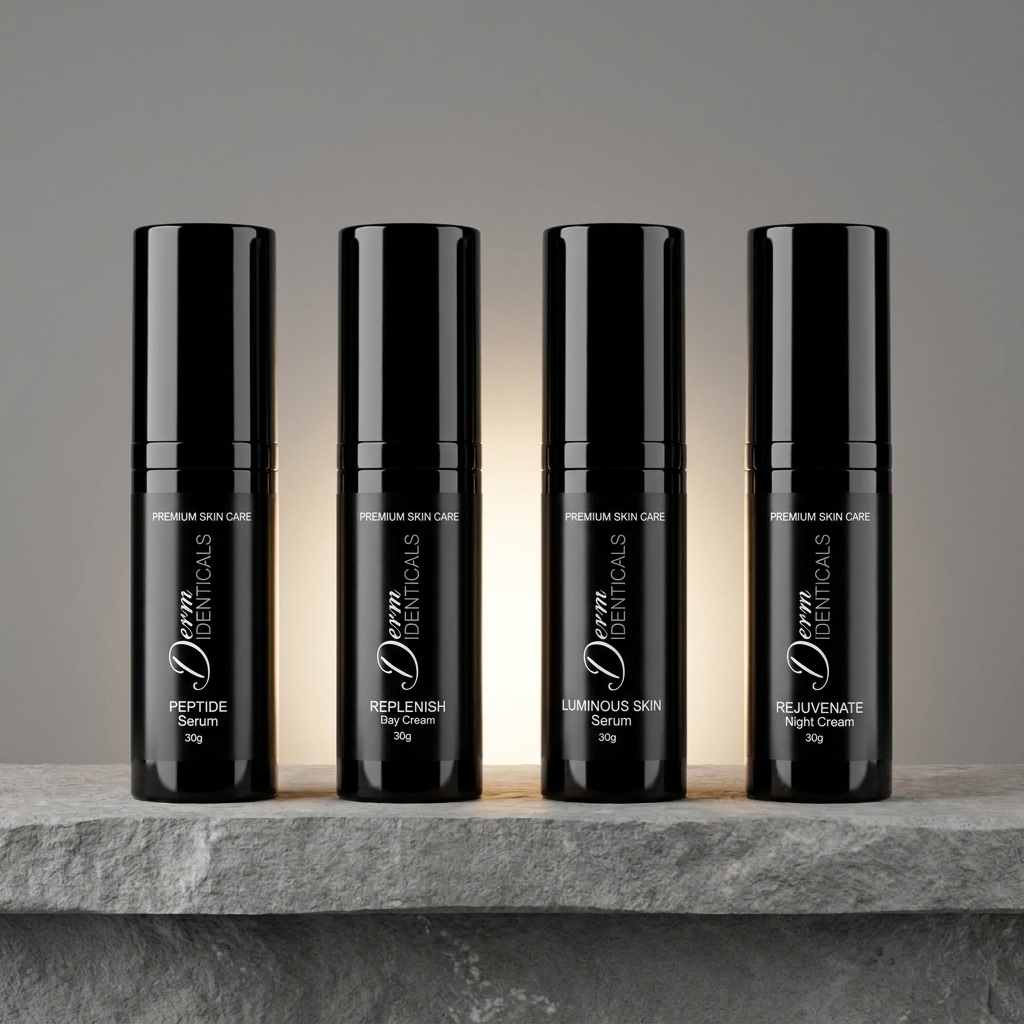
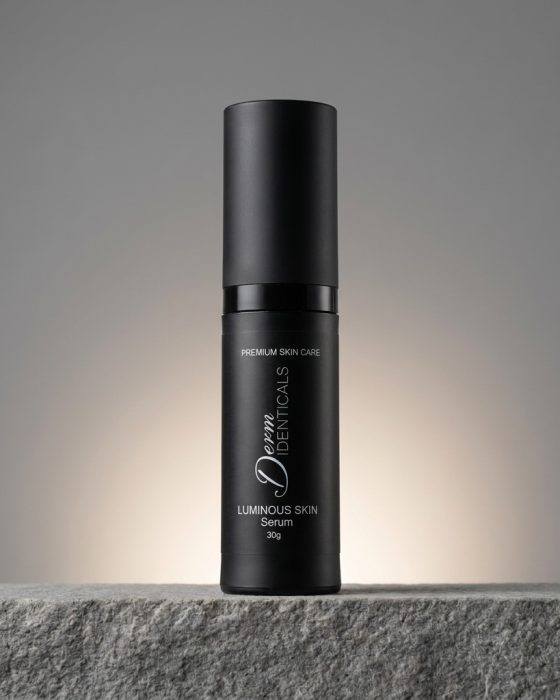
Apply a hyaluronic acid based serum after cleansing, ideally while the skin is still slightly damp rather than dripping wet. This provides water for the humectant to bind. These include our C serum, Peptide Serum or Vitamin B serum.
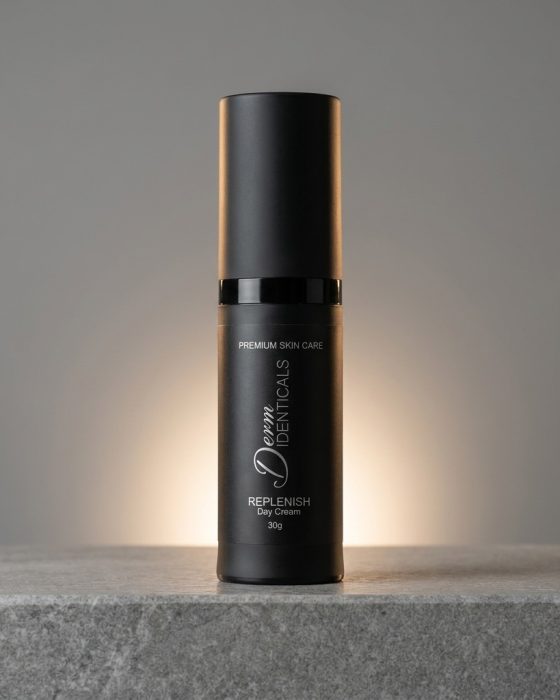
Follow with a ceramide moisturiser to support the lipid barrier and reduce transepidermal water loss like our Rebuild Barrier Repair Cream or our Replenish Day Cream. Finish with broad-spectrum sunscreen.
For sensitive skin, restraint is often more effective than intensity. A fragrance-free routine with a gentle cleanser, one targeted active, a multi-weight hyaluronic acid serum and a ceramide-based moisturiser can be more productive than layering multiple acids, boosters and masks. DermIdenticals approaches this through CLEANICAL formulation principles: clinically oriented ingredients selected to support results without unnecessary fragrance or common sensitivity triggers.
Can ceramides and hyaluronic acid be used with active ingredients?
Yes. In fact, they are often the ingredients that make active skincare more manageable. Retinoids can support visible signs of ageing and uneven texture, while AHAs can refine dullness and congestion. Yet these ingredients may also challenge the barrier when introduced too quickly or used too frequently.
Hyaluronic acid can provide immediate hydration support, while ceramides help maintain the barrier conditions that allow a routine to remain comfortable over time. Neither ingredient cancels irritation caused by overuse, though. If burning, persistent redness, peeling or swelling develops, reduce active use and return to a simple barrier-focused routine. Persistent or severe reactions should be assessed by a medical professional.
Reading the formula, not just the front label
A product labelled with either ingredient is not automatically appropriate for sensitive skin. Consider the complete formula. Highly fragranced products, excessive essential oils, harsh cleansing agents or a complicated mix of strong actives may undermine the very barrier-support benefits you are seeking.
For ceramides, look for a formula built around barrier support rather than a token inclusion. For hyaluronic acid, consider whether the product contains multiple molecular weights and whether it is paired with soothing or barrier-conscious ingredients such as niacinamide, panthenol or suitable lipids. Texture also matters: a serum may suit humid weather and layered routines, while a cream may be preferable when skin is dry, mature or exposed to winter conditions.
A patch test remains prudent when trying any new product, particularly if you have eczema-prone, reactive or allergy-prone skin. Introduce one new formula at a time so you can identify what is helping and what is not.
Skin hydration is not simply about making the face feel wet or look glossy for an hour. It is about giving the skin water to function well, then providing the lipid support it needs to hold onto that comfort. When ceramides and hyaluronic acid are selected according to your skin’s actual condition, they create a calmer foundation for every other step in your routine.