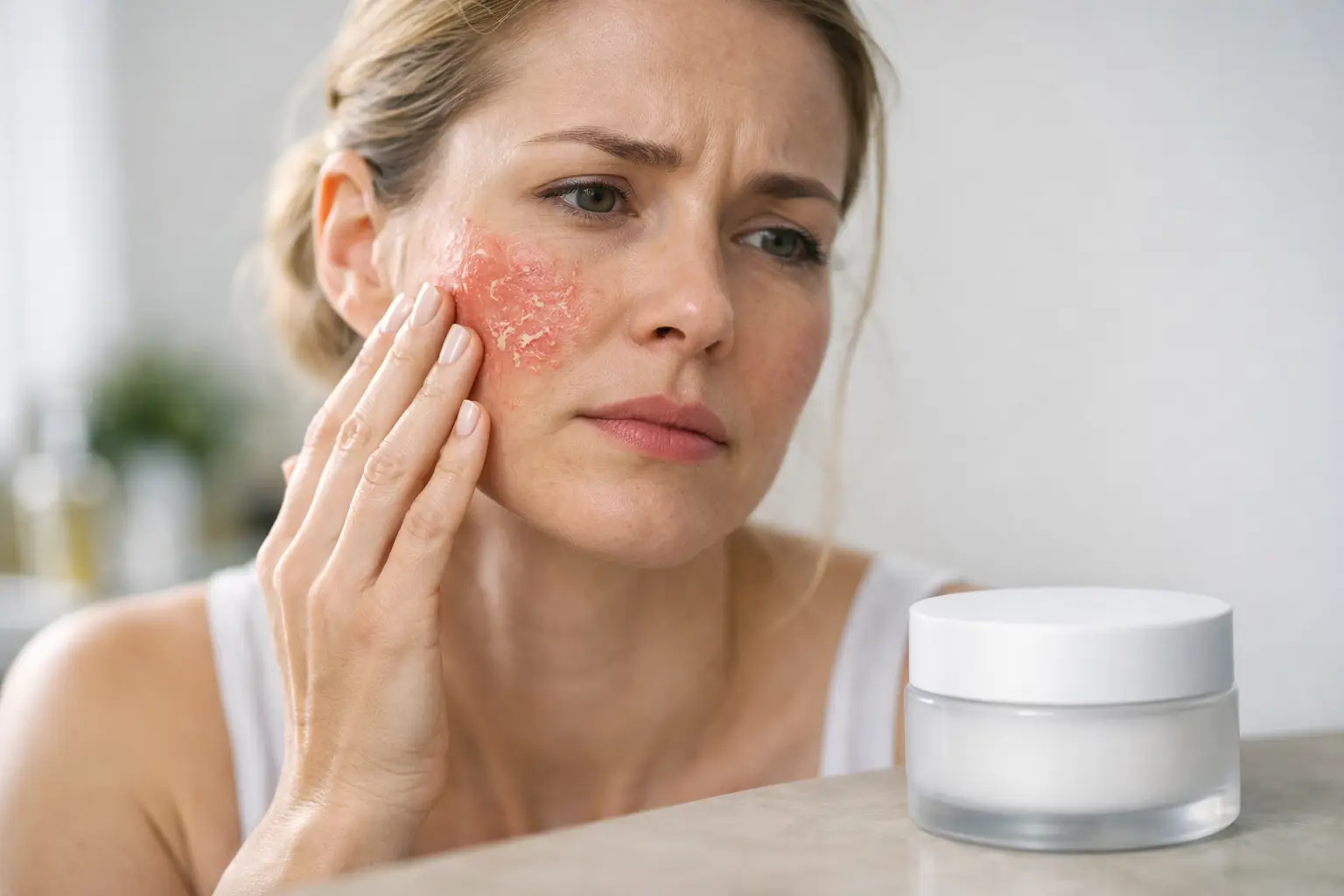
A face that suddenly stings when water touches it, flakes beneath makeup or reacts to products it once tolerated is often signalling more than simple dryness. The question, “what causes damaged skin barrier function?”, rarely has one answer. It is usually the accumulated effect of environmental stress, over-treatment and a routine that asks too much of the skin without giving it enough support.
The skin barrier is not a trend-led skincare concept. It is a functioning biological system that helps retain water and limit the entry of irritants, allergens and microbes. When it is compromised, even a sophisticated routine can begin to feel uncomfortable. The priority is not to add more products, but to identify the pressure points and restore conditions that allow the barrier to recover.
What causes a damaged skin barrier?
The outermost layer of skin, the stratum corneum, is often described as a brick-and-mortar structure. Skin cells form the bricks; lipids including ceramides, cholesterol and fatty acids form the mortar between them. This organised lipid matrix helps prevent excessive transepidermal water loss while maintaining a balanced, slightly acidic surface environment.
Barrier damage occurs when this structure is disrupted faster than the skin can repair it. The result can be increased water loss, dryness, tightness, rough texture, redness and a lower threshold for irritation. People with naturally dry, eczema-prone, mature or reactive skin may experience these effects more readily, but any skin type can develop a compromised barrier.
Over-exfoliation and excessive active use
Exfoliating acids, retinoids and vitamin C can be valuable ingredients when selected carefully and introduced at an appropriate frequency. However, more active skincare is not automatically better skincare. Layering multiple exfoliating acids, using a strong peel too often or applying a retinoid nightly before the skin has adjusted can disrupt the stratum corneum.
The risk increases when several high-performance products are used in the same routine. For example, an AHA or BHA cleanser, leave-on acid, retinoid and strong vitamin C serum may each be reasonable in isolation, yet unnecessarily demanding in combination. Stinging, persistent redness and shiny, tight skin are not signs that a product is “working harder”. They can be signs that the skin needs a slower approach.
Harsh cleansing and frequent washing
Cleansing removes sunscreen, makeup, excess sebum and environmental particles, but aggressive cleansing can also remove components essential to barrier function. High-foaming surfactants, very hot water, scrubs and repeated cleansing throughout the day can leave skin feeling squeaky clean in the short term and depleted soon after.
This is particularly common in people trying to control oiliness or breakouts. Oily skin still requires barrier lipids and hydration. Stripping it can provoke sensitivity and may leave the complexion feeling both oily and dehydrated at once. A gentle, low-irritant cleanser used with lukewarm water is often a more effective long-term strategy than pursuing an aggressively clean feel.
Fragrance, sensitising ingredients and unnecessary complexity
Irritant contact reactions do not always appear immediately. A fragranced serum, essential oil blend or formula with a long list of potentially sensitising components may be tolerated for weeks before the cumulative irritation becomes apparent. This does not mean every fragranced product will cause a reaction in every person, but sensitive or inflamed skin has little capacity for avoidable challenges.
A reduced ingredient load can be particularly useful when the barrier is under stress. Fragrance-free formulations and considered exclusions of common sensitivity triggers help simplify the process of working out what the skin can tolerate. This is a formulation decision, not a compromise in performance.
Weather, UV exposure and indoor environments
Australian conditions can be demanding on skin. UV exposure generates oxidative stress and inflammation, while wind, low humidity, air conditioning and heating accelerate moisture loss. A beach weekend, a long day outdoors or even a dry office environment can make an already fragile barrier feel noticeably worse.
Sun protection matters here for more than pigmentation and visible ageing. Daily broad-spectrum sunscreen reduces one of the most persistent external pressures on barrier health. In drier months, or after time in the sun and wind, many people benefit from shifting temporarily towards richer barrier-supportive textures and reducing exfoliation.
Lifestyle, medication and skin conditions
Barrier disruption is not always caused by skincare. Acne, rosacea, eczema and seborrhoeic dermatitis can each involve altered barrier function and inflammation. Hormonal shifts, illness, poor sleep and prolonged stress may also influence skin recovery and reactivity.
Some prescription treatments, including acne medications, can cause substantial dryness or peeling. In these situations, cosmetic skincare should support rather than compete with medical care. If there is swelling, cracking, weeping, widespread rash, severe burning or symptoms that do not settle, seek advice from a GP or dermatologist rather than continuing to experiment with products.
Signs your skin barrier may be compromised
Dryness alone does not confirm barrier damage, but a cluster of changes is informative. Skin may feel tight soon after cleansing, sting when applying otherwise gentle products, look red or blotchy, develop rough patches, flake around the nose or mouth, or become unusually reactive to temperature changes.
Dehydration can also make fine lines appear more noticeable and makeup sit unevenly. For acne-prone skin, inflammation may increase at the same time as the surface feels dry. This overlap is why treating every blemish with stronger exfoliants can become counterproductive.
It is also worth distinguishing a damaged barrier from an allergy or a single-product reaction. A sudden, localised itchy rash after using a new formula may indicate contact dermatitis rather than general barrier impairment. Stop the suspected product and obtain clinical advice if symptoms are significant or persistent.
How to support barrier recovery without overcorrecting
Barrier repair is usually a process of subtraction before addition. Pause scrubs, at-home peels and non-essential actives until the skin is comfortable and stable. This does not have to mean abandoning all results-focused skincare indefinitely. It means creating enough recovery capacity before reintroducing treatments.
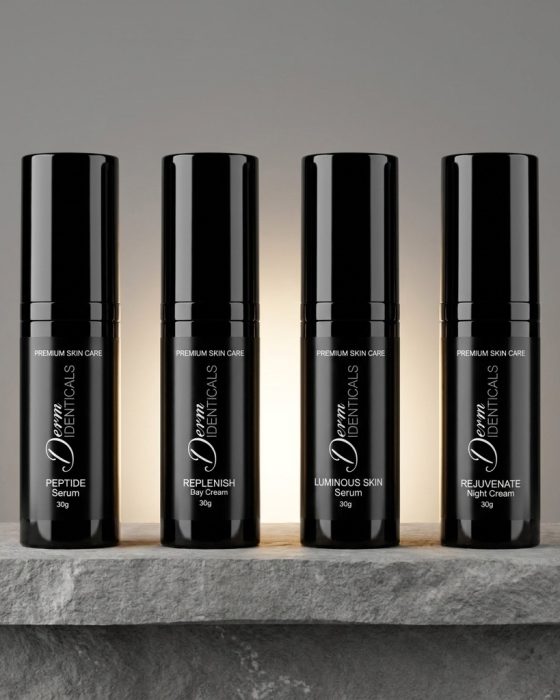
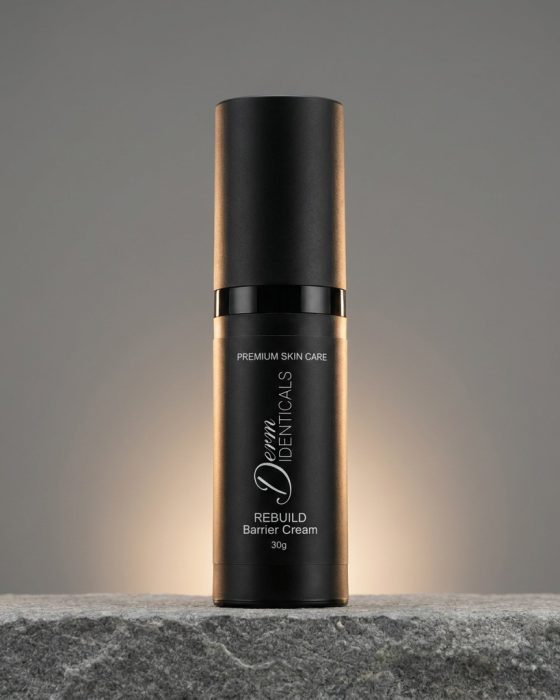
Begin with a concise routine: a gentle cleanser (Refresh Hydrating Cleanser) where needed, a hydrating and non-irritating barrier supportive moisturiser (Rebuild Barrier Cream), and broad-spectrum sunscreen each morning. The most useful moisturisers combine humectants, which attract water, with emollients and skin-identical lipids that improve softness and support the lipid matrix. If inflammation is present then a calming serum before the barrier supportive moisturiser is recommended.
Ceramides are especially relevant because they are natural components of the barrier’s intercellular lipid structure. A well-designed ceramide complex, paired with cholesterol and fatty acids, reflects a biomimetic approach to barrier support. Niacinamide may also help improve barrier function for many users, though even beneficial ingredients should be introduced thoughtfully when skin is highly reactive.
Hydrating ingredients such as multi-weight hyaluronic acid can improve surface comfort by attracting water through different levels of the upper skin. They perform best when followed by a moisturiser that helps reduce water loss. Hydration without lipid support may feel insufficient in dry or compromised skin, particularly in low-humidity conditions.
Reintroduce active ingredients one at a time
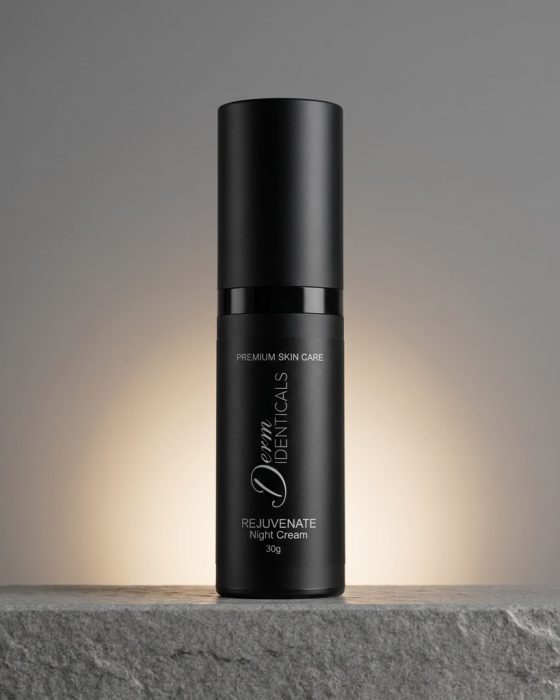
Once stinging, redness and flaking have settled, reintroduce targeted actives gradually. Start with one active product on one or two nights a week, then assess the skin over several weeks. Retinoids, including Hydroxypinacolone Retinoate (Rejuvenate Night Cream), can support visible skin ageing concerns, but tolerance varies. The correct frequency is the one your skin can sustain without persistent irritation.
Avoid testing several new products at once. A measured introduction makes it easier to identify the cause if sensitivity returns. It also protects the progress made during the recovery phase.
Expect recovery to be gradual
Some people notice greater comfort within days of simplifying their routine, while more established barrier disruption can take several weeks to settle. The timeline depends on the trigger, the underlying skin condition, climate exposure and how consistently the routine is followed.
Resist the temptation to chase rapid results with another peel, stronger concentration or a crowded routine. Skin resilience is built through consistency, not intensity. Choosing fragrance-free, evidence-led formulas with barrier-compatible ingredients gives skin the stable conditions it needs to become calm, comfortable and better able to benefit from advanced treatment products later.