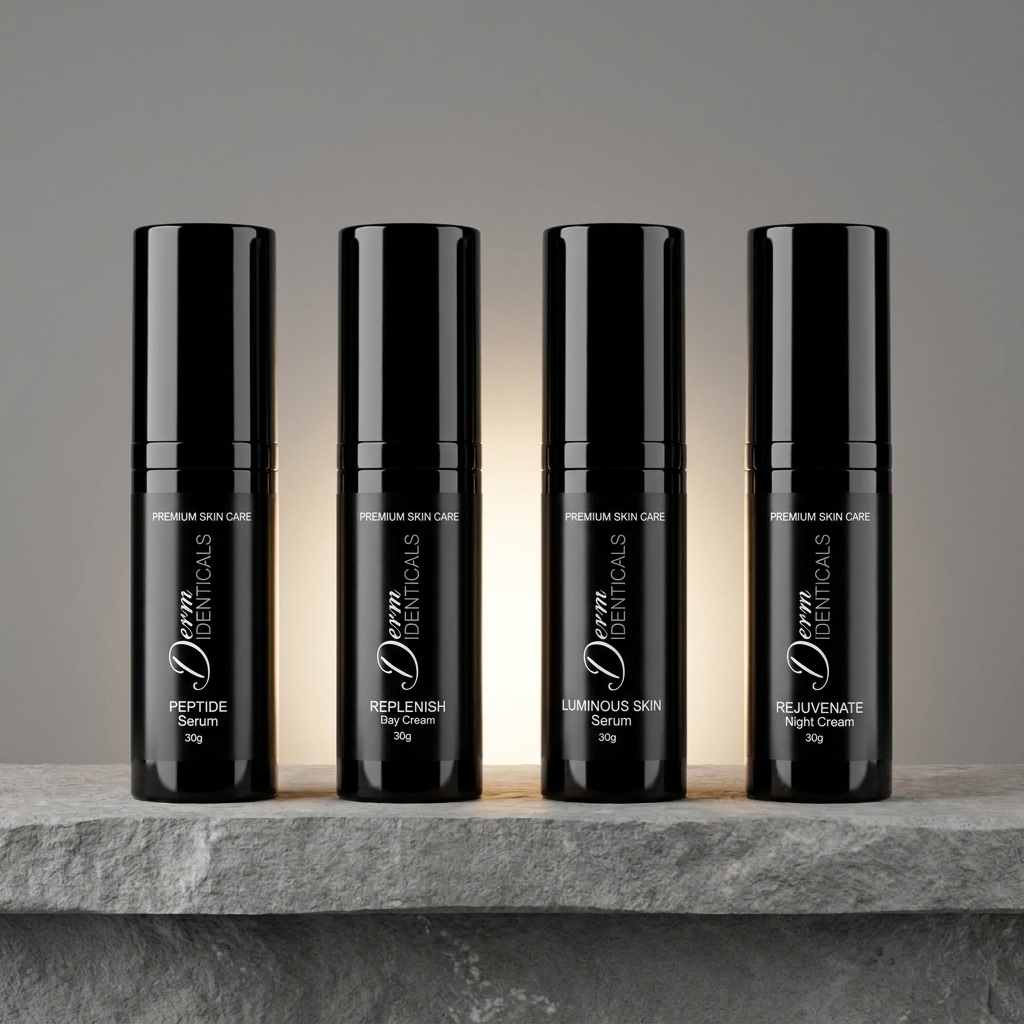
Vitamin C is a powerhouse ingredient in skincare, renowned for its antioxidant properties, ability to brighten skin, reduce hyperpigmentation, boost collagen production, and protect against environmental damage like UV rays and pollution. However, the pure form, L-ascorbic acid, is chemically unstable and irritating. To address these issues, cosmetic chemists have developed a new generation of various stable forms of Vitamin C that offer improved stability, better penetration, and reduced irritation while still delivering many of the benefits of Vitamin C. The best ones we use are:
(1) Ethyl Ascorbate (3-O Ethyl Ascorbic Acid)
This derivative modifies ascorbic acid with an ethyl group, making it more stable and soluble in both water and oil. It penetrates the skin well and converts to L-ascorbic acid once absorbed, offering antioxidant, brightening, and collagen support benefits. Studies show it may outperform ascorbyl glucoside in penetration, and it’s less irritating than pure ascorbic acid. It’s stable at a neutral pH, reducing formulation challenges.
(2) Ascorbyl Tetraisopalmitate (Tetrahexyldecyl Ascorbate or THD Ascorbate)
This oil-soluble form esterifies ascorbic acid with fatty acids, enhancing penetration into deeper skin layers. It’s highly stable, doesn’t require low pH, and converts to ascorbic acid in the skin. Research indicates strong anti-aging effects, including collagen support and UV protection, with minimal irritation.
(3) Ascorbyl Glucoside
A stable, water-soluble derivative where ascorbic acid is bound to glucose. It converts slowly to L-ascorbic acid in the skin via enzymes, creating a “reservoir effect” for prolonged benefits. It’ has in vitro evidence for antioxidant activity, melanin reduction, and collagen promotion. It is gentle on the skin so good for sensitive skin types and useful for anti-aging and skin brightening.