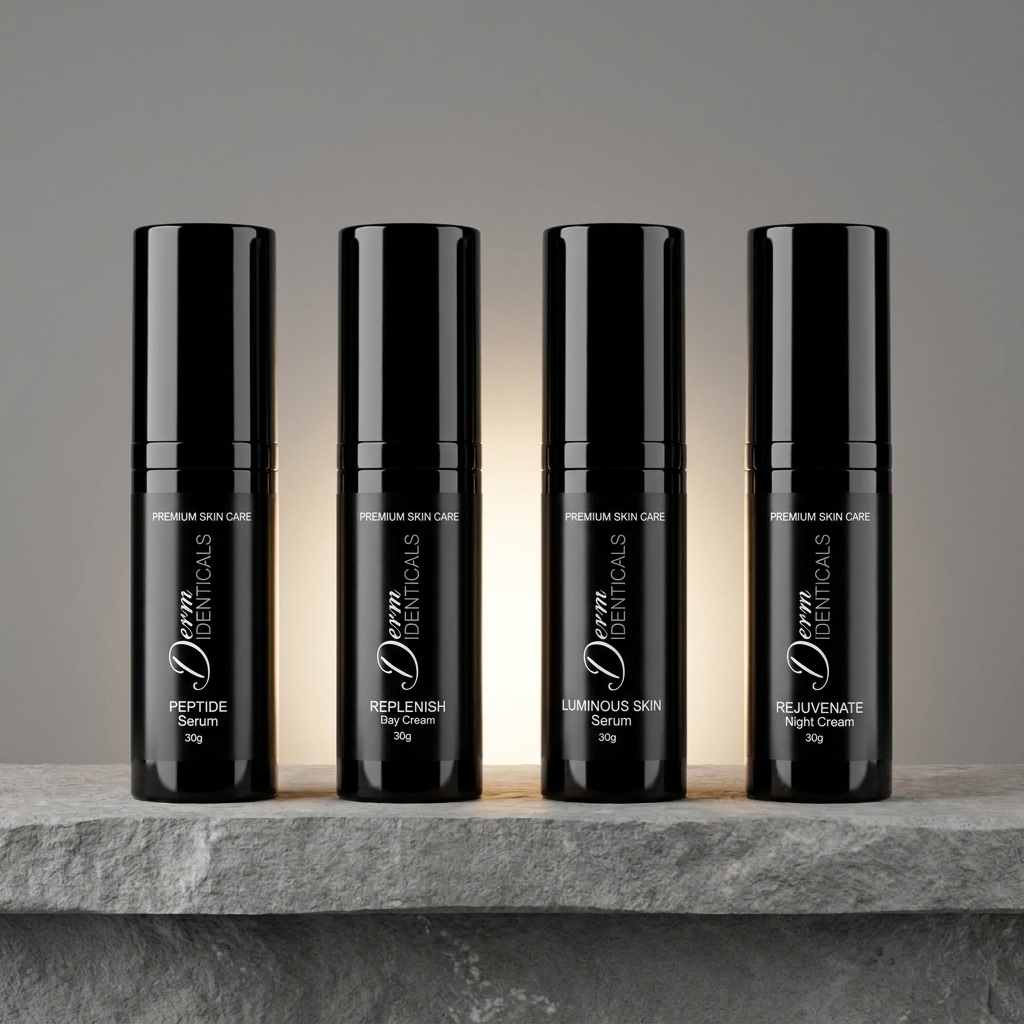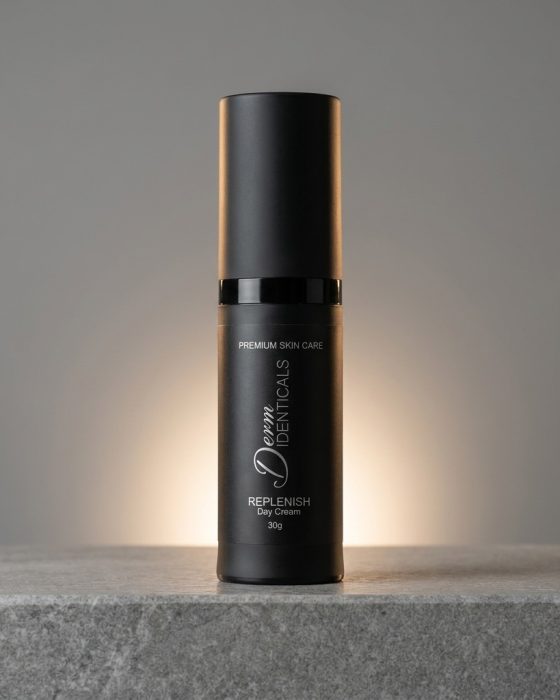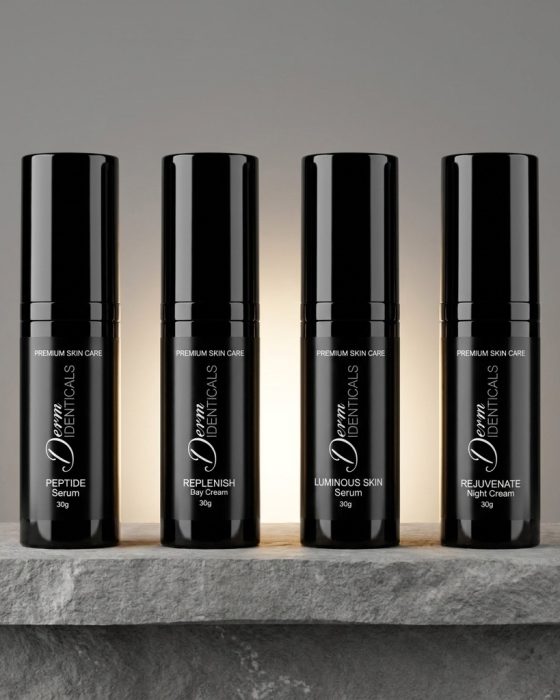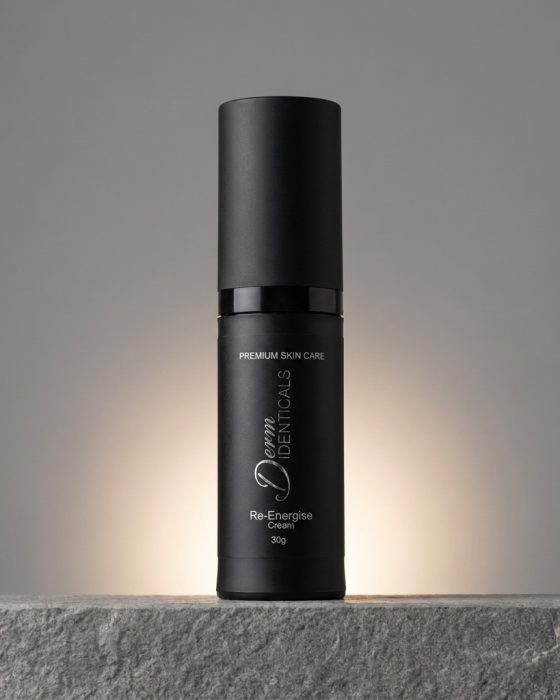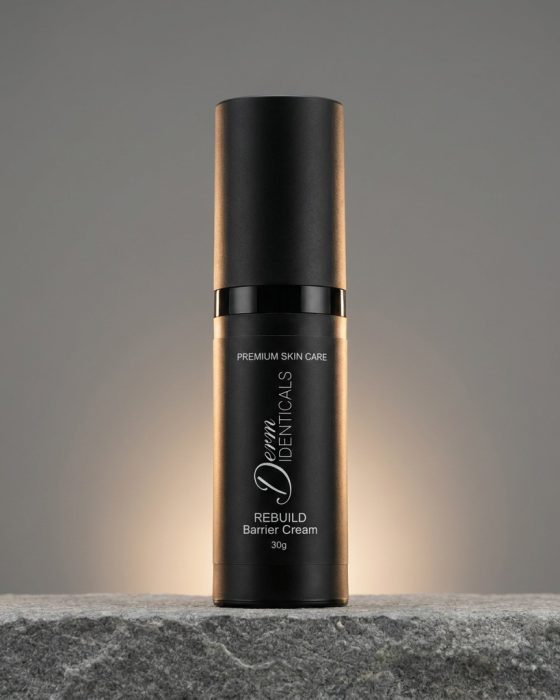
Skin that feels persistently dry, looks unsettled after a breakout or struggles to tolerate active ingredients does not always need a more aggressive routine. Often, it needs support for its recovery processes. This is where PDRN skincare benefits have drawn attention: PDRN is a sophisticated ingredient used in formulations designed to support a hydrated, calm and resilient-looking complexion.
PDRN is not a replacement for sunscreen, retinoids, vitamin C or a sound barrier routine. Its value lies elsewhere. Think of it as a replenishing, recovery-focused component that may complement established actives, particularly when skin is dehydrated, reactive or showing visible signs of fatigue.
What is PDRN in skincare?
PDRN stands for polydeoxyribonucleotide. It is a purified mixture of DNA fragments, commonly derived from salmon, plant or bacterial sources and sometimes referred to on ingredient lists as sodium DNA. In medical research settings, salmon PDRN has been studied for its role in tissue repair processes. In cosmetic skincare, it is incorporated into topical formulations intended to improve the appearance of hydration, comfort, smoothness and skin vitality.
Much of the stronger published research around PDRN involves medical applications or in-clinic delivery, rather than a cosmetic cream or serum applied at home. The quality of the formula,type of PDRN used, size, concentration, delivery system and the condition of your skin all matter to how effective it will be.
Salmon PDRN is too large to absorb in a cosmetic cream so we use a probiotic sourced PDRN which is eight times smaller. Recent studies comparing topical use suggest it offers superior antioxidant, skin regenerative and anti-inflammatory effects compared to Salmon PDRN possibly due to its lower molecular weight enhancing topical absorption, making it effective in serums without requiring microneedling or injections.
PDRN skincare benefits: where it may fit
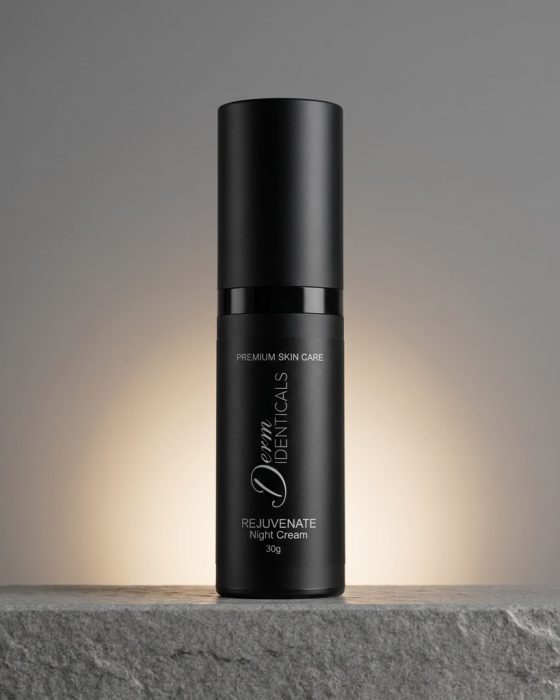
For a well-formulated topical product, PDRN is best viewed as a supportive ingredient rather than a dramatic overnight fix. Its potential benefits are especially relevant to routines centered on barrier health and long-term skin quality hence why it is in our Rejuvenate Night cream.
A more hydrated, cushioned appearance
Dehydrated skin can look fine-lined, dull and less reflective, even when it is producing oil. PDRN is frequently paired with humectants such as multi-weight hyaluronic acid because both support a plumper-looking surface. Hyaluronic acid draws water into the upper layers of the skin, while a recovery-focused ingredient such as PDRN may help create a more replenished overall finish.
This can be useful when skin feels tight after cleansing, air conditioning, travel, seasonal weather changes or the introduction of corrective actives. The result is not necessarily more oil. It is skin that looks better hydrated and feels less papery or uncomfortable.
Support for a compromised-looking barrier
The skin barrier is the outermost protective system that helps retain moisture and reduce exposure to environmental stressors. When it is disrupted, skin may sting, flush easily, develop dry patches or become unpredictable around products that once felt comfortable.
PDRN can be a considered addition when the priority is to restore a healthy-looking, comfortable complexion. It works best alongside the fundamentals: gentle cleansing, adequate moisturisation, ceramides, skin-identical lipids and daily broad-spectrum sunscreen. It should not be used to push through ongoing irritation from an unsuitable peel, retinoid schedule or over-cleansing habit.
For sensitive skin, a deliberately reduced ingredient load matters just as much as the hero active. Fragrance, harsh surfactants and unnecessary sensitising ingredients can undermine an otherwise thoughtful recovery routine.
Smoother-looking texture and visible freshness
As skin ages, cellular turnover, hydration reserves and barrier efficiency can change. The surface may appear less even, while fine lines become more apparent when moisture levels are low. PDRN is often chosen by people seeking a fresher, smoother-looking complexion without immediately escalating to stronger exfoliants.
It may be particularly useful during periods when skin needs a gentler approach: after environmental exposure, following a temporary reaction, or when a retinoid routine is being introduced gradually. The benefit is cumulative support, not forced exfoliation. This distinction matters for people who have learnt, often the hard way, that more active ingredients do not always mean better skin.
A useful partner to age-supportive actives
PDRN can sit comfortably in routines containing retinoids, stabilised vitamin C, niacinamide and cosmetic peptides. These ingredients perform different jobs. Vitamin C supports antioxidant protection and brightness; retinoids support visible texture and age-related concerns; niacinamide can assist barrier function and uneven tone; peptides are used to support firmer-looking skin.
A PDRN product may make the routine feel more balanced by providing moisture and comfort around these treatments. That does not mean every active should be layered together in one session. A well-managed routine is generally more effective than a crowded one, particularly for reactive skin.
Who may benefit most from PDRN?
PDRN may appeal to adults whose skin looks depleted rather than simply oily or congested. This includes people in their twenties and thirties using preventative actives, people managing the first visible effects of sun exposure and uneven tone, and mature skin seeking improved comfort, moisture and luminosity.
It can also suit a reactive complexion when the formulation is fragrance-free and designed without common sensitivity triggers. However, sensitive skin is not one condition. Rosacea-prone skin, eczema-prone skin, acne affected skin and skin recovering from an in-clinic procedure each have different requirements. Persistent redness, itching, cracking or inflammation warrants guidance from a dermatologist rather than repeated product experimentation.
There is also an ethical consideration. As our PDRN is not sourced from salmon DNA, it suits vegan consumers or anyone who avoids marine-derived ingredients.
How to introduce PDRN into a routine
PDRN is commonly used in a serum or moisturiser format and can be applied after cleansing.
PDRN is usually very well tolerated however if your skin is sensitive patch test it first. Apply a small amount to the inner arm or along the jawline for several days, then monitor for delayed redness, itching or bumps. This process may feel cautious, but it helps identify whether the formula suits your skin before it becomes part of a full routine.
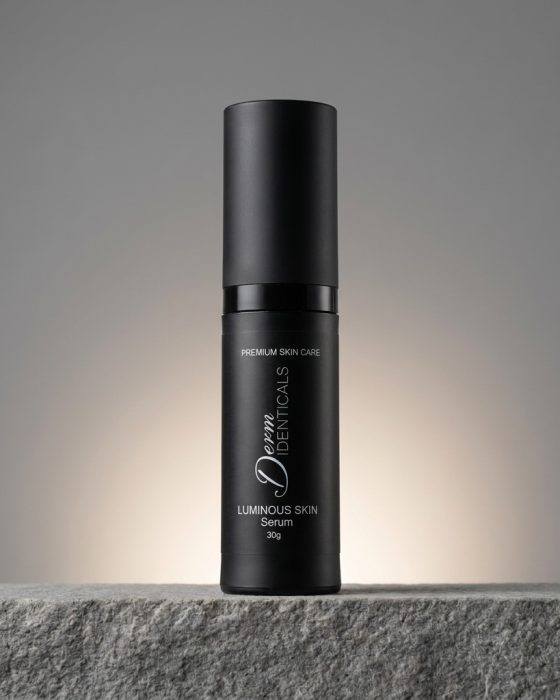
Both our Rejuvenate Night cream and Luminous Serum contains a probiotic sourced PDRN shown to be more effective than salmon PDRN when applied topically. It is also more effective than plant based PDRN which in many cases when tested contains very low levels of DNA.
What to look for in a PDRN formula
PDRN does not work in isolation. A premium formula should be assessed as a whole, including its texture, supporting ingredients and potential irritants. Humectants, ceramides, biomietic lipids, niacinamide and carefully selected peptides can make practical sense beside PDRN because they address hydration and barrier function through complementary pathways. Our Rejuvenate Night cream is perfect for this.
For reactive skin, fragrance-free is a meaningful starting point, not a marketing afterthought. Consider whether the formula avoids ingredients you know your skin dislikes, and whether it is designed to be used consistently. A sophisticated active in a formula that causes regular stinging is not delivering a skincare benefit.
Packaging also matters. Airless pumps and opaque containers can help protect formula integrity, particularly where PDRN is combined with other less stable actives. Finally, be wary of products that promise to regenerate skin, erase deep wrinkles or replicate clinical procedures. Responsible cosmetic skincare can improve the visible quality and comfort of skin, but it should not overstate what a topical formula can do.
For people building a high-performance routine, PDRN is most valuable when it supports the skin you have while your other products target the concerns you want to improve. Keep the routine measured, protect your barrier, and give a well-chosen formula enough time to show its place in your skin’s long-term health.