AHA exfoliants can make a meaningful difference to dullness, congestion, uneven tone and rough texture. However, the results depend far more on how you introduce them than on how often you use them. Knowing how to use aha exfoliant products with restraint helps you support natural skin renewal without pushing your barrier into irritation.
Chemical exfoliation is not about making skin feel tight, tingly or freshly stripped. A well-managed routine should leave skin looking clearer, smoother and more even over time, while preserving comfort, hydration and resilience.
What are AHA exfoliants?
Alpha hydroxy acids (AHAs) are water-soluble acids that work primarily on the skin’s surface. Glycolic acid, lactic acid and mandelic acid are common examples. By loosening the bonds between accumulated dead surface cells, AHAs can help improve visible texture, lacklustre tone, superficial pigmentation and the appearance of fine lines.
More acids do not automatically mean better results. Skin barrier function, the acid concentration, pH, delivery system and your existing routine all influence tolerance.
How to use AHA exfoliant in the right order
Apply an AHA exfoliant after cleansing and before hydrating serums, moisturiser or face oil. On clean, completely dry skin, smooth a thin and even layer over the face, avoiding the eye contour, lips and any areas that are visibly irritated, peeling or broken.
The format matters. A rinse-off home peel is generally removed after the instructed contact time and generally more aggressive. A leave-on treatment like our Revitalise Peel is designed to remain on the skin, so it should be followed by a simple, barrier-supportive moisturiser. Always follow the directions for the specific formula rather than assuming every acid product is used in the same way.
If you are prone to sensitivity, applying moisturiser before and after a leave-on exfoliant can reduce intensity. This buffering approach may slightly soften the immediate exfoliating effect, but it is often a worthwhile trade-off for reactive or dehydrated skin. Consistency at a tolerable frequency will serve your skin better than an aggressive routine that must be abandoned after a week.
Start with one night a week
For most people new to chemical exfoliation, apply our Revitalise Peel once weekly in the evening is a sensible starting point. Give your skin at least seven days to show you how it responds. If there is no lingering redness, stinging, flaking, tightness or increase in sensitivity, move to twice weekly.
Many skin types do well with AHA exfoliation two or three nights per week. Oily, congestion-prone skin may tolerate more frequent use. Dry, mature, sensitised or rosacea-prone skin may be better suited to once weekly instead.
The right frequency is not determined by whether your skin can withstand exfoliation. It is determined by whether your skin remains calm, hydrated and functionally strong while delivering gradual improvement.
Build an exfoliation night around barrier support
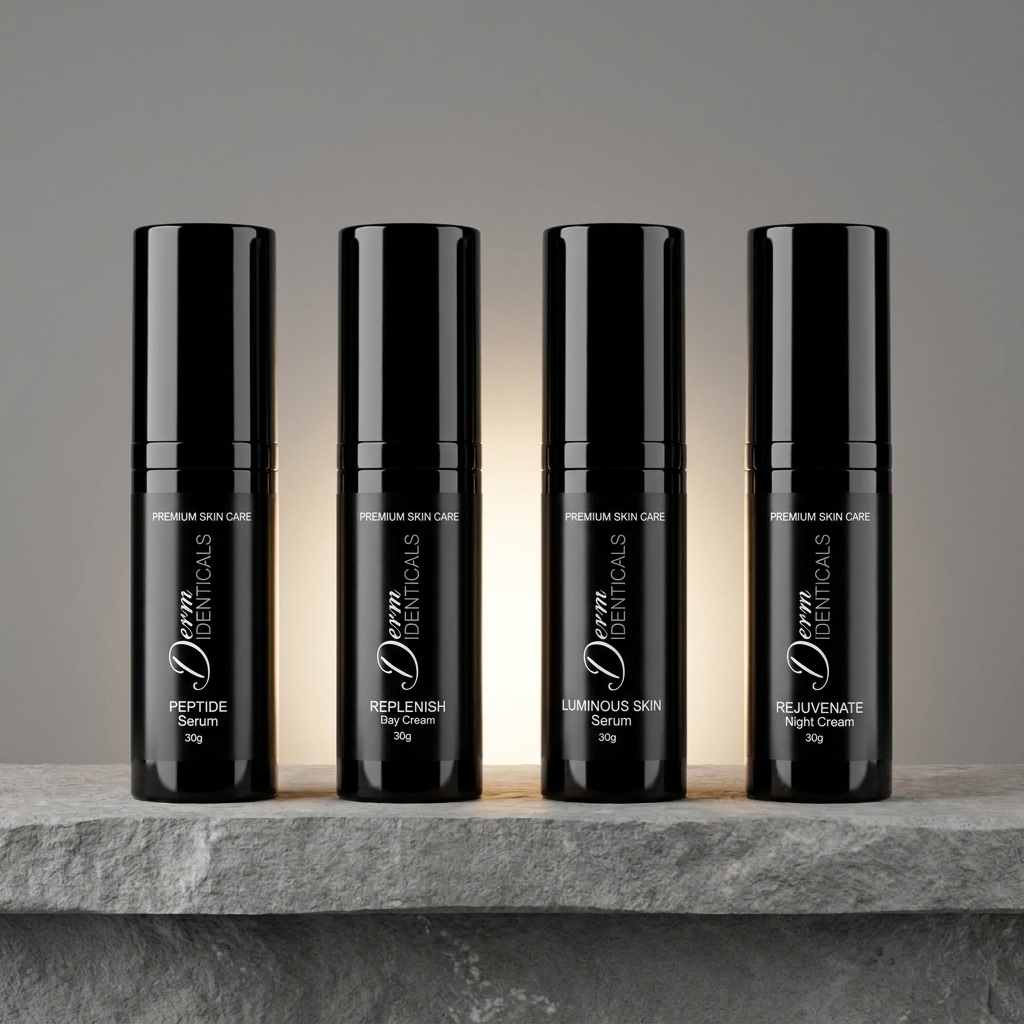
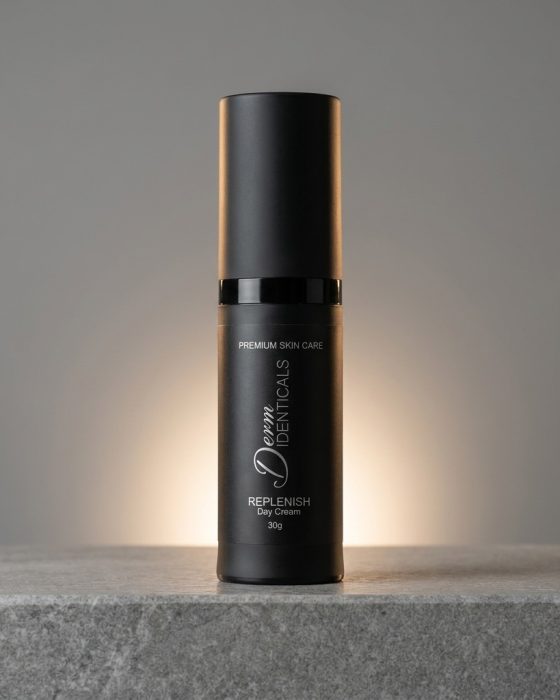
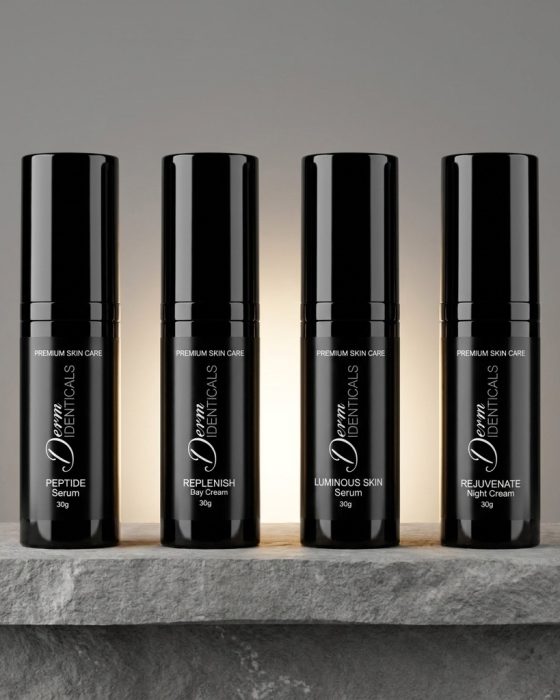
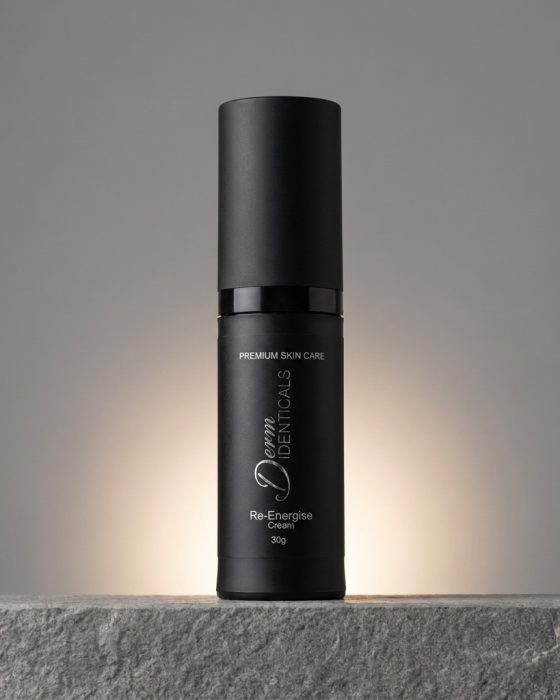
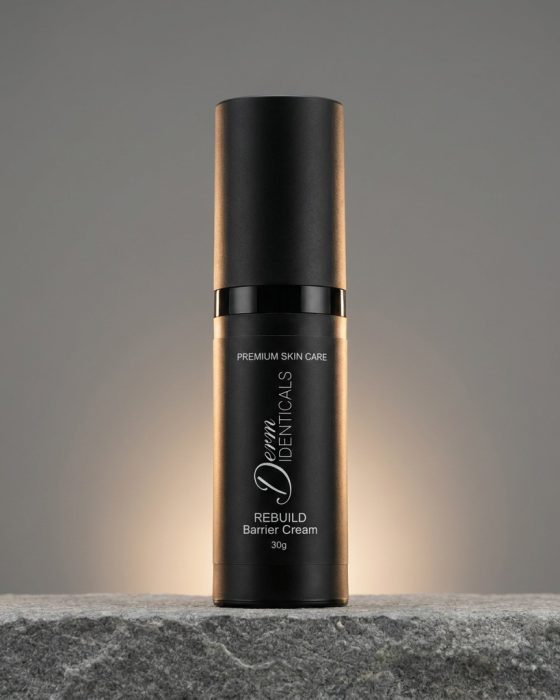
On exfoliation nights, keep the rest of your routine deliberately uncomplicated. Cleanse with a gentle sulfate free cleanser, apply your AHA product, then replenish the skin with hydration and lipids. Ingredients such as multi-weight hyaluronic acid, niacinamide, ceramides, glycerin and soothing biomimetic lipids can help maintain water balance and reinforce the protective barrier. Products like our Replenish, Rebuild or Reenergise Creams are perfect for this.
Fragrance-free formulas with a reduced ingredient load are particularly valuable when introducing acids. Exfoliation already places a controlled demand on the skin, so it is sensible to avoid layering unnecessary fragrance, essential oils or multiple unfamiliar actives at the same time.
Avoid stacking high-intensity actives at first
AHA products can be used within an advanced skincare routine, but timing matters. On the same evening, avoid combining them with retinoids, strong vitamin C treatments or another exfoliating acid. Each ingredient can be effective in its own right; using several in one session can create unnecessary inflammation and barrier disruption.
Watch for the difference between adjustment and irritation
A slight transient tingle is normal with acid formulas, especially during the first few applications. However persistent burning, hot or itchy skin, pronounced redness, glossy tightness, scaling, new sensitivity to products you normally tolerate, or a sudden increase in breakouts are not signs that the product is ‘working’. They are signals to pause.
Stop exfoliation and focus on gentle cleansing, moisturising and daily sun protection until skin feels comfortable again. Do not attempt to exfoliate away flaking caused by overuse. This can perpetuate the cycle and compromise barrier function further.
Patch testing is a prudent first step, especially if you have a history of reactivity. Apply a small amount as directed to a discreet area such as behind the ear or along the jawline, then observe the skin over the following 24 to 48 hours. For persistent inflammation, a chronic skin condition, or significant acne concerns, seek personalised advice from a qualified health professional or dermatologist.
A practical weekly rhythm
A balanced routine might include AHA exfoliation on one or two evenings each week combined with a retinoid and peptides on the other nights. If your skin is very sensitive, use one active category at a time for several weeks before introducing another.
There is no prize for finishing a bottle quickly or following someone else’s intensive routine. Skin changes linked to exfoliation are cumulative: clearer-looking pores, smoother texture and more even luminosity tend to emerge through steady use, thoughtful recovery and diligent sunscreen application.
Treat an AHA exfoliant as a precise treatment rather than a daily scrub in liquid form. When it is introduced slowly and paired with barrier-conscious care, it can become one of the most effective and sustainable steps in a high-performance skincare routine.