Mature skin needs the right signals, delivered consistently, without creating the inflammation that can make dryness, uneven tone and fine lines appear more pronounced. A skincare routine for mature skin should therefore be built around three priorities: preserving barrier function, protecting against further photodamage and using proven actives at a pace the skin can tolerate.
Skin ageing is not one process. Collagen and elastin production slow, cell turnover becomes less efficient, natural lipid levels can decline and years of ultraviolet exposure may surface as pigmentation, rough texture and visible capillaries. Hormonal shifts, particularly around menopause, can add dryness and reactivity. This is why an aggressive routine is often counterproductive. Mature skin can respond beautifully to actives, but it also benefits from a deliberate, biomimetic approach that supports the structures those actives rely on.
Start with barrier health, not the strongest active
The skin barrier is the outermost protective system that helps hold water in while keeping irritants out. It depends on a balanced arrangement of lipids, including ceramides, cholesterol and fatty acids. When this system is compromised, skin may sting, feel tight, develop flaky patches or become unexpectedly reactive to products it previously tolerated.
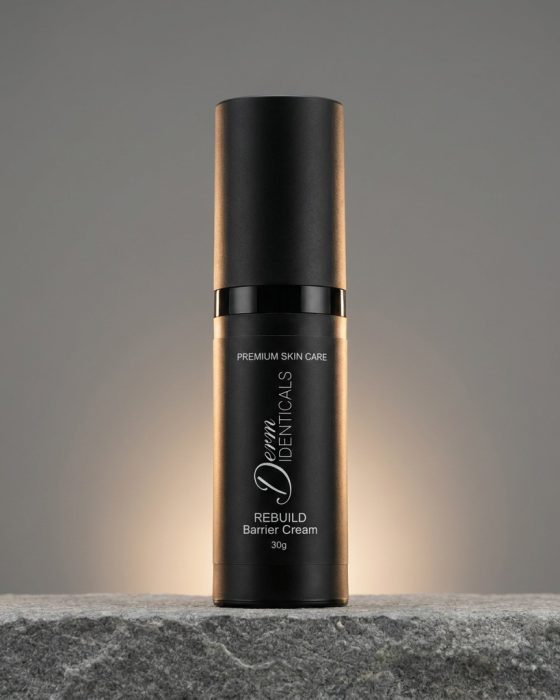
For mature skin, a barrier-supporting moisturiser is not an optional finishing step. It is the foundation that makes targeted treatment more sustainable. Look for formulations with multiple ceramides, hyaluronic acid across multiple molecular weights, niacinamide and skin-identical lipids. These ingredients can improve surface hydration and help reinforce the conditions needed for more resilient-looking skin.
Fragrance-free formulas and a reduced ingredient load can be especially valuable where sensitivity is part of the picture. A sophisticated formula does not need to feel crowded. The aim is to select compatible, evidence-based ingredients rather than continually layering new products in search of faster results.
The Morning Skincare Routine for Mature Skin: Protection and Replenishment
Mornings are for antioxidant defence, hydration and sun protection. The order matters because each layer has a distinct role.
Cleanse gently, or simply rinse
If your skin is dry, reactive or not heavily congested, a gentle sulfate free cleanse once in the morning may be enough. Some people do well with a lukewarm water rinse followed by serum and moisturiser. The right choice depends on how your skin feels upon waking and whether richer night products remain on the surface.
Avoid cleansers that leave the face squeaky or tight. That sensation is not cleanliness – it can indicate that essential surface lipids have been removed. Choose a sulfate free low-irritation cleanser that leaves skin comfortable, not stripped like our Refresh Hydrating cleanser.
Apply a Serum
A multi weight hyaluronic acid based serum with humectants and moisturisers combined with specific key ingredients depending on your main goals is the best place to start. There are several options which include:
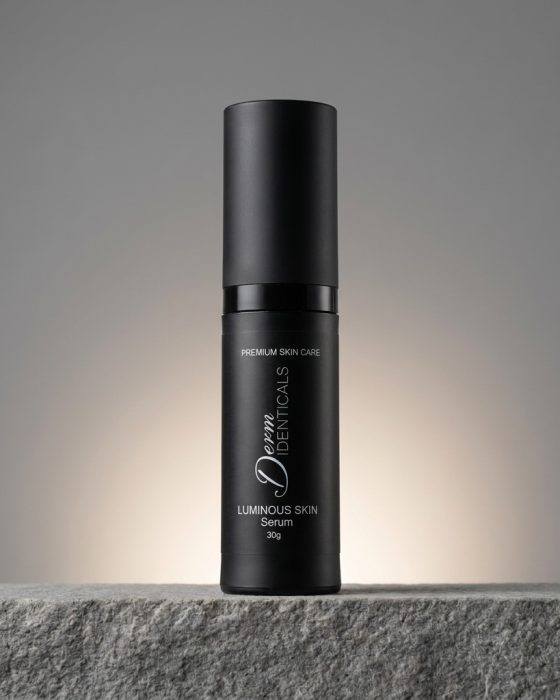
A stabilised vitamin C serum is a rational morning treatment for dullness, uneven tone and the cumulative effects of environmental exposure. Vitamin C is an antioxidant and supports collagen synthesis, while helping reduce the look of existing pigmentation over time. Stability and formula design matter, particularly for sensitive skin, as not every vitamin C product is equally well tolerated. Non acidic stabilised Vitamin C is our recommendation for sensitive skin. Something like our C Serum is perfect for this.
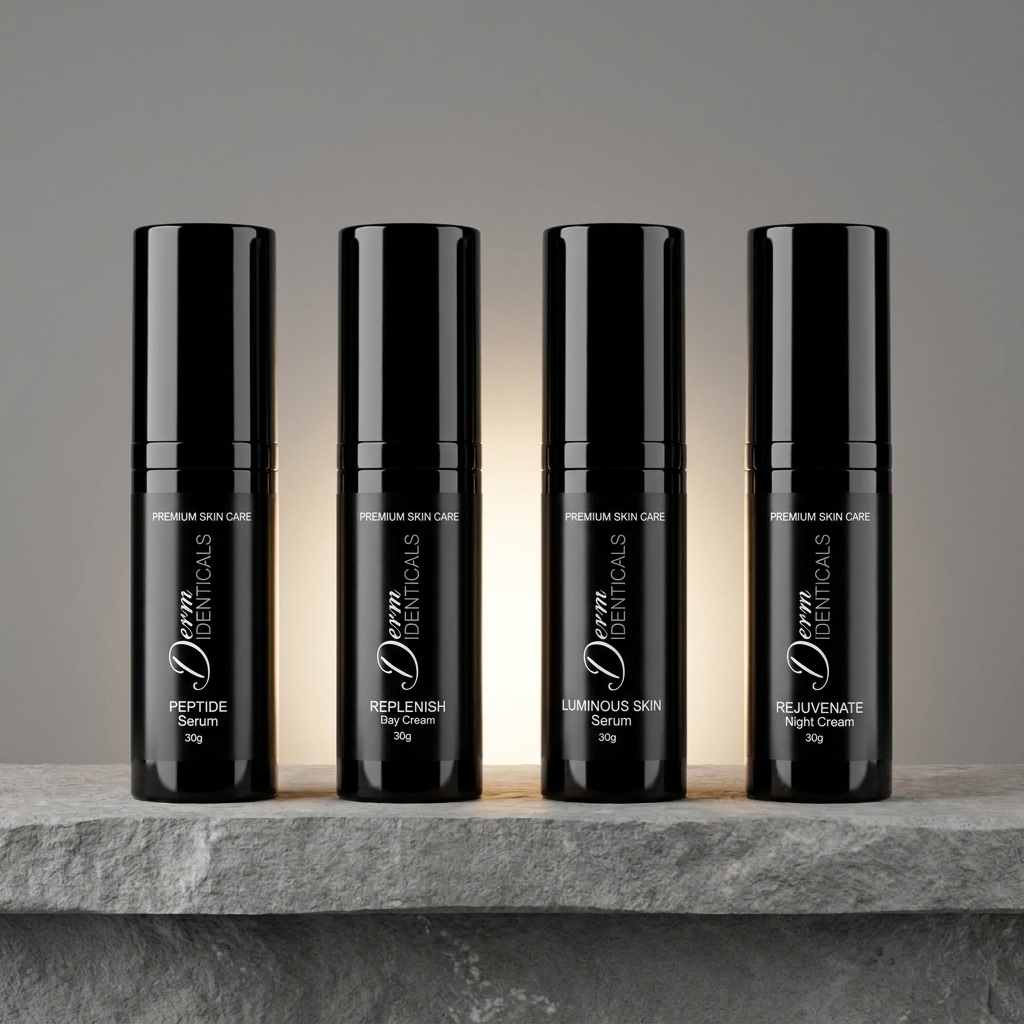
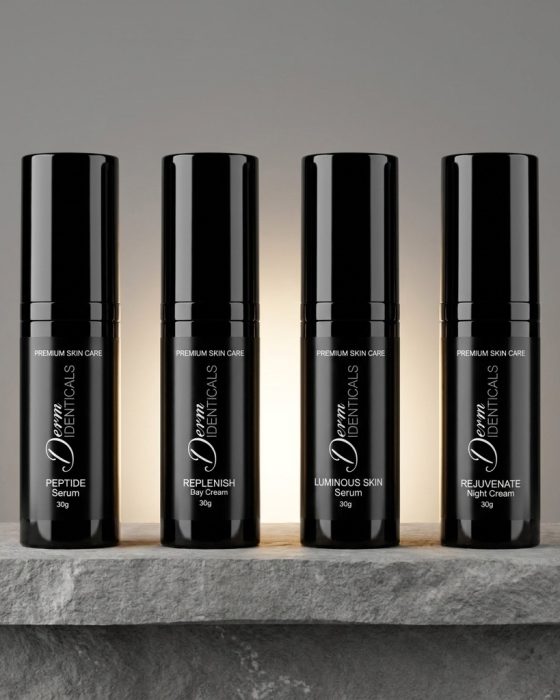
A peptide serum is an appropriate treatment if lines and wrinkles are an issue. A synergistic combination of various peptides that address different aspects is recommended. Our Peptide Serum is formulated specifically for this purpose.
If age spots or melasma-like discolouration are persistent, add targeted brightening support such our Restore Brightening Serum which contains a synergistic combination of carefully selected pigment-modulating ingredients. Be patient. Pigmentation responds slowly, and irritation can worsen its appearance, especially in skin prone to post-inflammatory marks.
If you need to control excess oil, minimize the look of enlarged pores, fade dark spots and acne marks, smooth uneven skin texture then a Niacinamide (Vitamin B3) serum should be your choice. Our B serum contains 10% Vitamin B3 specifically for this.
If redness and irritation is present then a serum with natural anti-inflamatories and soothing agents should be the serum of choice. Our Relief Serum was formulated to help calm the appearance of inflamed skin conditions.
Whatever serum you chose apply a thin layer to clean, dry skin, then allow it to settle before moisturiser. If any persistent stinging, redness or flaking occurs reduce frequency or consider a lower-strength format. More intensity is not automatically more effective when the barrier is under pressure.
Finish with an active moisturiser and broad-spectrum SPF
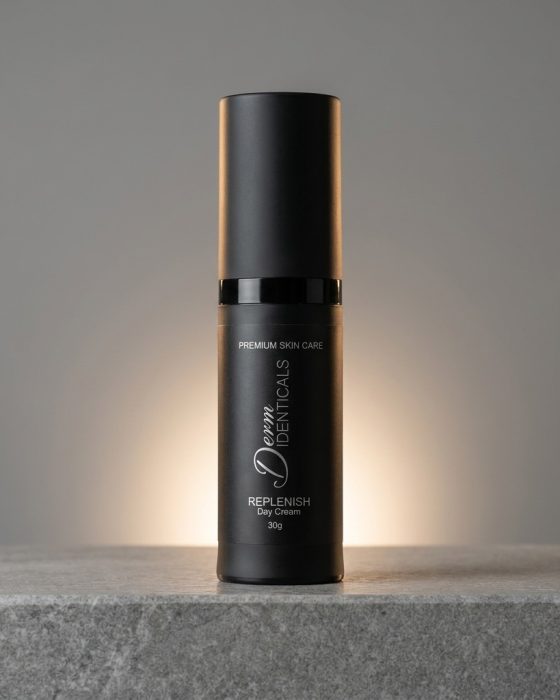
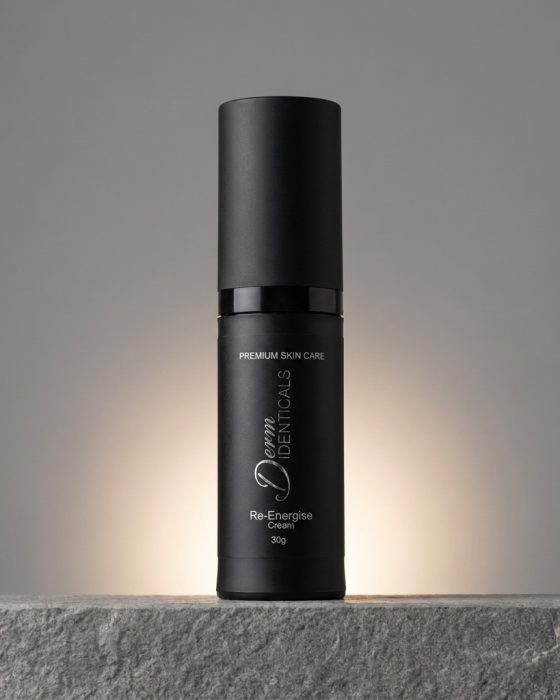
A biomimetic barrier based lipid and ceramide rich moisturiser can improve the skins integrity to minimise moisture loss through the day along with multi weight hyaluronic acid and humectants to provide long lasting hydration. These ideally should be used in conjunction with ingredients like antioxidants (Vitamin C & E), exosomes, peptides and protective compounds like Ectoin. Either our Replenish Day cream or our Reenergising cream are our recommendation.
Follow with broad-spectrum SPF sunscreen. Apply enough to cover the face, neck and other exposed areas, and reapply when outdoors, sweating or spending extended time in direct sun. A high-performance serum cannot compensate for inconsistent sun protection.
The Evening Routine: Repair, Renewal and Rejuvenation
Evening is the appropriate place for retinoids, gentle exfoliation and barrier care. It is also where restraint has the greatest value. Do not introduce several new treatment products at once. If irritation develops, you need to know what caused it.
The evening routine should consist of a gentle cleanse followed by a targeted serum if required. The same serums described in the morning routine also apply here. Follow the serum with a retinoid.
Introducing the Retinoid
Retinoids remain among the most thoroughly studied cosmetic ingredients for improving the appearance of fine lines, uneven texture and loss of firmness. Hydroxypinacolone Retinoate (HPR) is a modern retinoid that can provide visible renewal benefits while being suitable for many people who find traditional retinol challenging. Not only is it more effective than both Retinol and Retinal but it is more stable and less irritating so it is our retinoid of choice.
If using retinol or retinal begin two nights each week on clean, fully dry skin. Use a pea-sized amount for the face, avoiding eyelids, corners of the nose and lips unless the product is specifically designed for those areas. After two weeks, increase to every second night only if your skin is comfortable. Mild temporary dryness can occur, but persistent burning, marked peeling or redness means the schedule is too frequent or the surrounding routine needs more barrier support. If using HPR begin using it every other night, if after a week there are no signs of irritation increase to nightly use.
For highly reactive skin, try the sandwich method: moisturiser, retinoid, then another light layer of moisturiser. It may slightly soften the immediate impact of the active, but it often makes consistent use possible. Consistency is more valuable than cycling between overuse and recovery.
Retinoids are generally avoided during pregnancy and breastfeeding unless your treating clinician advises otherwise. If you have eczema, rosacea, a diagnosed skin condition or are using prescription treatments, seek personalised guidance before adding active products.
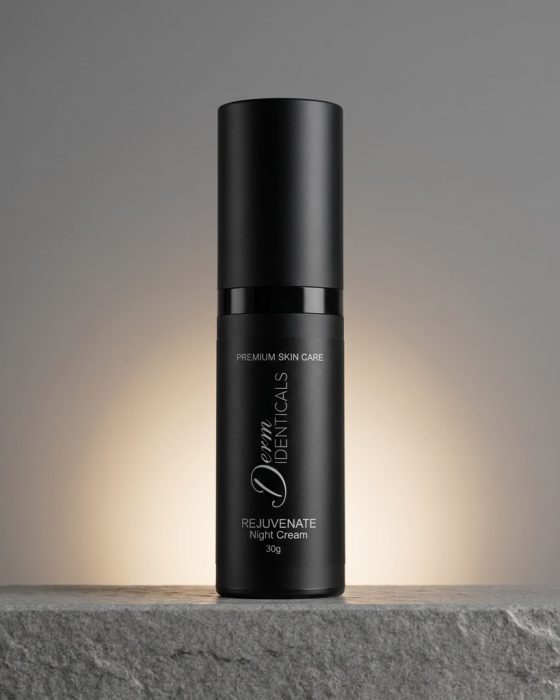
Ideally the retinoid should be combined with ingredients that focus on hydration and biomimetic lipid replenishment. Hyaluronic acid draws water into the upper layers of the skin, while ceramides help reduce transepidermal water loss. Niacinamide can support barrier function and improve the look of uneven tone. Cosmetic peptides, PDRN and advanced technologies such as exosomes may be useful additions in well-designed formulas, but they should complement the essentials rather than replace them. Our Rejuvenate Night cream is our recommendation here.
A night cream is particularly helpful when heating, air conditioning or hormonal changes leave skin feeling dry by morning. Apply it over treatment products while the skin is still slightly receptive, then give the routine time to work overnight.
Exfoliate strategically, not nightly
As turnover slows, mature skin can look rough or lacklustre. AHAs can refine the appearance of texture, support brightness and help other products sit more evenly. However, exfoliation is a tool, not a daily requirement.
Use a carefully formulated AHA exfoliant like our Revitalise Peel once weekly at first, on a night when you are not using a retinoid. If your skin remains calm, twice weekly may suit some people. Dry, thin or easily irritated skin may do best with less frequent use. Any increase in sting, tightness or shiny, sensitised skin is a sign to pause and rebuild the barrier.
Eye Cream
For the eye area, use an eye treatment only if it solves a specific need, such as dehydration, puffiness, fine lines or sensitivity. The skin around the eyes is thinner, so avoid taking strong facial exfoliants or retinoids too close to the lash line. A dedicated, fragrance-free formula can offer a more appropriate texture and dosage. Our Eye Cream targets the appearance puffiness, wrinkles and dark circles to reveal smoother, healthier-looking skin around the eye.
How to know your routine is working
The first positive change is often comfort: less tightness after cleansing, fewer dry patches and makeup that sits more smoothly. Brightness and hydration can improve within weeks. Texture, visible fine lines and uneven pigmentation require longer, often eight to twelve weeks of regular use, while collagen-related changes take further time.
Take photographs in the same natural light every month rather than assessing your skin in a magnifying mirror each day. If your skin becomes increasingly red, sore, flaky or congested, simplify back to cleanser, moisturiser and sunscreen until it settles. Then reintroduce one active at a time.
DermIdenticals approaches mature-skin care through this same principle: clinically considered actives, advanced cosmetic technology and barrier-aware formulations should work together, not compete for space on your skin.
The most effective routine is one you can repeat without fear of irritation. Protect the barrier, wear your sunscreen generously and let carefully chosen actives earn their place over time.