Retinoids can be transformative for uneven tone, fine lines and texture, but the question of HPR vs retinol sensitivity matters more than the marketing shorthand of “strong” or “gentle”. The best retinoid is not the one that causes the most visible peeling. It is the one your skin can tolerate consistently enough to support long-term renewal without compromising barrier function.
For reactive, dehydrated or sensitised skin, that distinction is particularly valuable. Redness, burning and persistent flaking are not signs that a product is working harder. They are signals that the routine, formulation or frequency may be exceeding your skin’s current capacity.
HPR vs Retinol Sensitivity: The Essential Difference
Retinol and Hydroxypinacolone Retinoate, commonly called HPR, belong to the vitamin A family. Both are used in cosmetic skincare to support smoother-looking skin, more even pigmentation and visible signs of skin ageing. They differ, however, in how they interact with the skin.
Retinol must undergo conversion within the skin before it becomes retinoic acid, the form that communicates with retinoid receptors. The pathway is generally described as retinol converting to retinaldehyde, then to retinoic acid. This conversion process is one reason retinol can be effective, but it can also contribute to its variable tolerability between individuals.
HPR is a retinoic acid ester designed to interact directly with retinoid receptors. In practice, HPR is often chosen by people who want retinoid benefits with a lower likelihood of the dryness and irritation commonly associated with traditional retinol. It is not an inactive or diluted version of vitamin A, to the contrary, it is more effective than retinol, more stable and less irritating so a superior version of retinol.
That said, gentler does not mean incapable of causing sensitivity. HPR can still lead to dryness, stinging, redness or flaking, particularly when introduced too quickly or paired with other high-activity products. Skin biology is individual, and a retinoid’s real-world tolerability depends on far more than its name on an ingredient list.
Why Retinol Can Feel More Irritating
Retinol sensitivity often presents during the first weeks of use, when the skin is adapting to a change in cellular turnover and signalling. You may notice dryness around the nose and mouth, fine flaking, temporary tightness, or a heightened response to products that were previously comfortable.
This adjustment is not always inevitable, nor should it be endured at any cost. Higher concentrations, frequent application and an already compromised barrier all increase the likelihood of irritation. So can combining retinol with exfoliating acids, abrasive scrubs, strong vitamin C formulas, benzoyl peroxide or multiple active serums in the same routine.
The finished formula matters just as much as the active. A retinol product may include fragrance, drying alcohols or an unnecessarily long ingredient list that creates extra variables for sensitive skin. Equally, a carefully considered retinol formula that includes humectants, emollients and barrier-support ingredients may feel very different from another product at a similar advertised strength.
Is HPR Always Better for Sensitive Skin?
HPR is often a sensible place to begin for people who have reacted poorly to retinol, are returning to vitamin A after a break, or prefer a more measured approach to age-supportive skincare.
The available evidence base is also worth considering. Retinol has a longer history of cosmetic and dermatological use, while HPR is a newer cosmetic retinoid with promising data suggesting its superiority but does not have the long track record yet.
The Barrier Is the Deciding Factor
Sensitivity is frequently framed as a fixed skin type. In reality, it is often a skin state. A barrier can become less resilient after over-exfoliation, seasonal changes, sun exposure, stress, harsh cleansing or an overly ambitious active routine.
The outermost layer of skin relies on a structured lipid matrix, including ceramides, cholesterol and fatty acids, to retain water and limit exposure to external irritants. When this matrix is disrupted, water loss increases and products that once felt benign can sting. Adding a retinoid at this point may turn manageable dryness into ongoing inflammation.
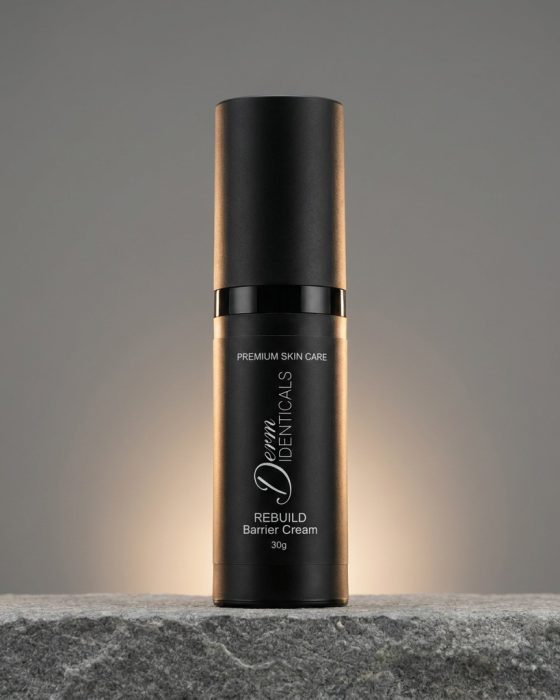
Before increasing retinoid frequency, assess how your skin behaves on ordinary nights. Does it feel comfortable after cleansing? Does moisturiser sting? Are dry patches lingering despite regular hydration? If the answer is yes, prioritise barrier support first. A fragrance-free moisturiser with humectants, emollients and biomimetic lipids can be more valuable than pushing ahead with a more intensive active schedule.
How to Introduce HPR Without Overloading Skin
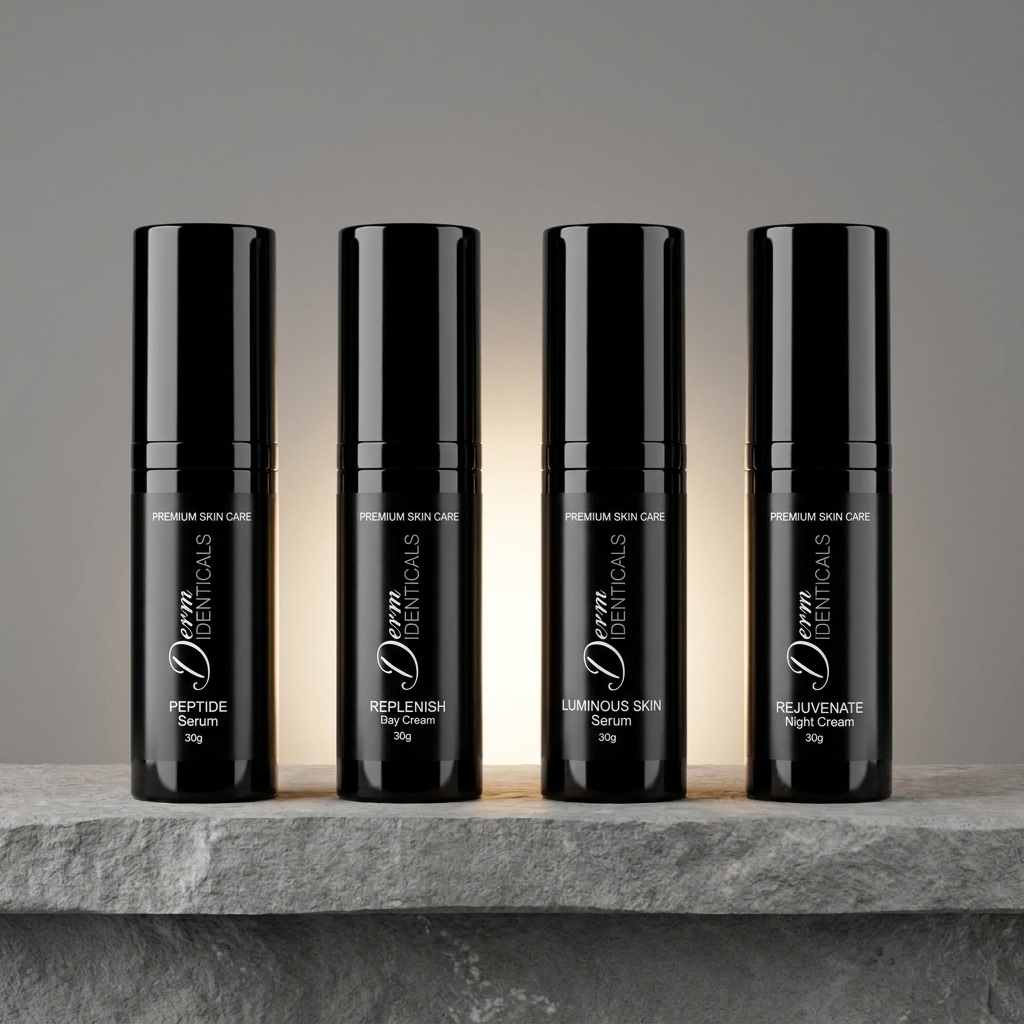
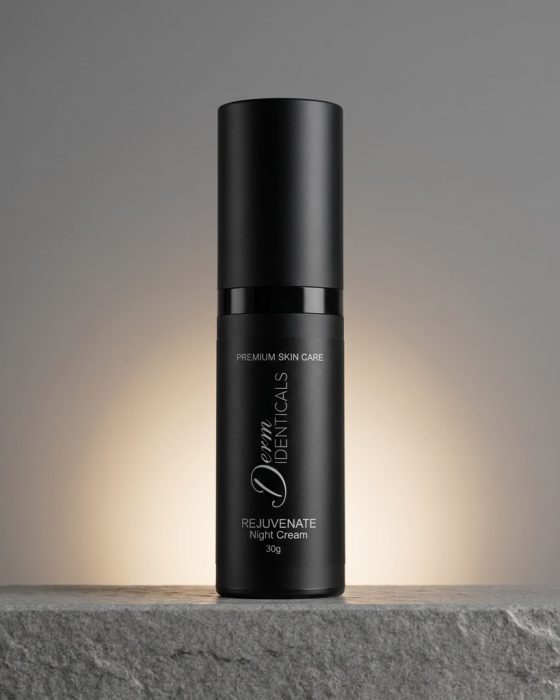
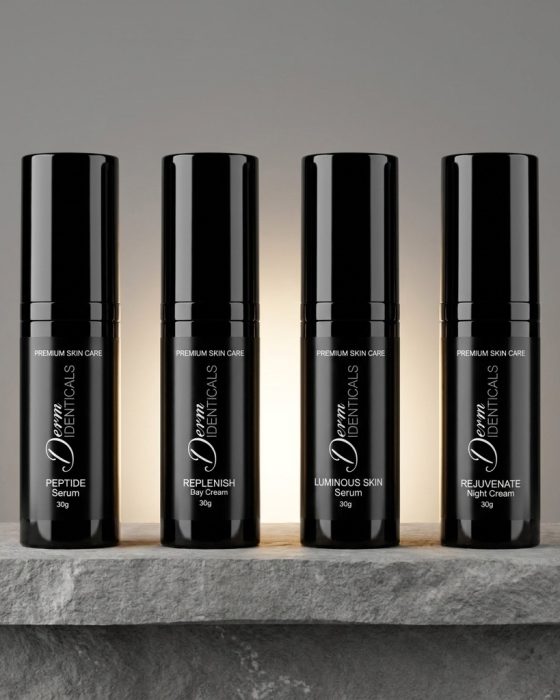
Start with our Rejuvenate Night Cream and use it on dry skin at night. Applying a retinoid to damp skin can increase penetration and may increase irritation for some people. Begin with two to three non-consecutive nights per week, then maintain that frequency for one to two weeks before deciding whether your skin is ready for more.
On non-retinoid nights, keep the routine quiet. Focus on cleansing, hydration and barrier lipids rather than adding more corrective steps. Avoid introducing an AHA exfoliating peel in the same phase of your routine unless you already know your skin tolerates the combination. Alternating active nights is usually more prudent than layering multiple actives together.
Daily broad-spectrum sunscreen is non-negotiable. Retinoid use can coincide with increased dryness and sensitivity, while ultraviolet exposure continues to drive uneven pigmentation and visible collagen breakdown. Sunscreen protects the progress you are working towards and helps keep a reactive skin cycle from escalating.
Signs to Reduce Frequency or Pause
Mild, short-lived dryness can occur while the skin adjusts. Persistent burning, swelling, cracking, intense itch, a rash-like response or redness that does not settle are different. Reduce use or stop the product and return to a basic barrier-focused routine. If symptoms are severe, prolonged or you have an existing inflammatory skin condition, seek individual advice from a dermatologist or qualified health professional.
Pregnancy and breastfeeding are also times to check with your treating clinician before using retinoid skincare. Cosmetic products are not interchangeable with medical guidance.
Choosing a Retinoid Formula Thoughtfully
Look beyond percentage claims as 1% retinol is approximately equivalent to 0.1% HPR so do not be fooled by high strength retinol claims. A well-designed HPR cream should be packaged to protect ingredient stability and formulated with the wider skin environment in mind. Fragrance-free formulas and a deliberately reduced ingredient load can make troubleshooting simpler when your skin is reactive.
Supporting ingredients can also shape the experience. Hyaluronic acid helps attract water, while niacinamide, ceramides and carefully selected cosmetic peptides may support a more resilient-looking complexion alongside a retinoid programme. The goal is to create a routine where each step has a clear purpose.
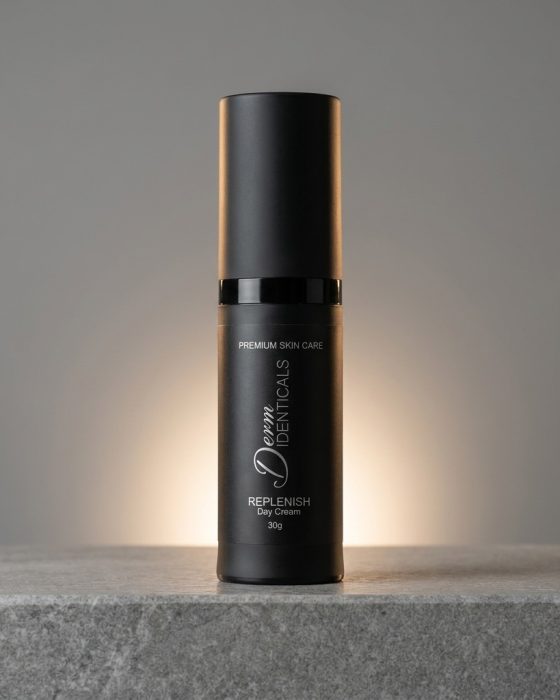
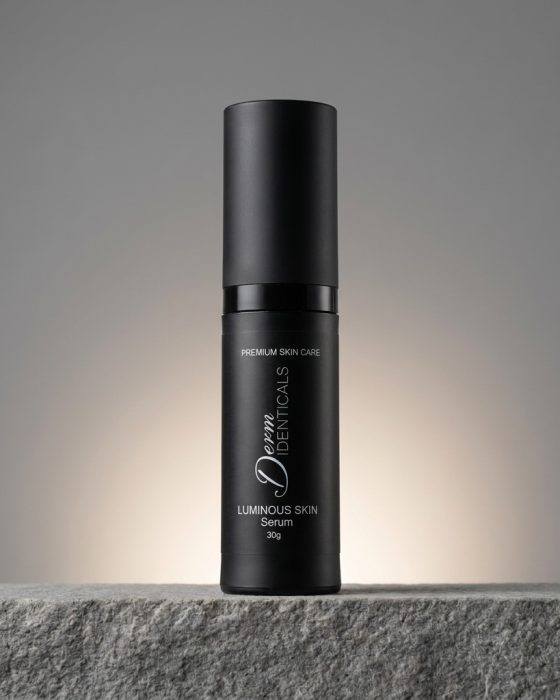
DermIdenticals approaches retinoid care through this barrier-conscious lens: clinically oriented actives, biomimetic support and formulas designed without common sensitivity triggers such as fragrance, parabens, sulfates, PEGs and propylene glycol.
HPR may offer a more comfortable entry point than retinol for many people, but your skin sets the pace. A calm complexion that improves gradually is a far better measure of progress than a routine that leaves your face perpetually trying to recover.