A crowded bathroom shelf can create more inflammation than improvement. The most effective anti ageing skincare ingredients are not necessarily the newest or strongest ones. They are the ingredients your skin can tolerate consistently, formulated at meaningful levels and supported by a healthy skin barrier.
Ageing is not one skin concern. Fine lines may reflect dehydration, reduced collagen support, repetitive facial movement or sun exposure. Uneven tone can be driven by cumulative UV exposure and inflammation, while a loss of firmness often involves changes deeper within the skin than topical skincare can fully address. A considered routine can visibly improve skin texture, luminosity, hydration and the appearance of lines, but it should make realistic promises and protect skin health along the way.
What effective anti ageing skincare ingredients do
A well-designed anti-ageing routine works across several biological pathways. It helps defend against oxidative stress, supports the skin barrier, encourages a more refined surface texture and, where appropriate, uses ingredients that communicate with skin cells involved in renewal and collagen maintenance.
This is why chasing one hero active rarely produces the best outcome. Retinoids can be valuable, for example, but may cause dryness when used without barrier support. Exfoliating acids can brighten dull skin, yet overuse may trigger sensitivity and make pigmentation look more apparent. Efficacy depends on the formula, concentration, delivery system, frequency of use and the condition of your skin when you begin.
Retinoids for visible renewal and refined texture
Retinoids remain among the most studied anti-ageing skincare ingredients. They support cell turnover and can improve the appearance of fine lines, uneven texture and pigmentation over time. Results are gradual, which is precisely why consistency matters more than an aggressive start.
Hydroxypinacolone Retinoate, often called HPR, is a modern retinoid ester designed to bind to retinoid receptors with no conversion required in the skin unlike Retinol and Retinal. For many people, it offers a more tolerable route into retinoid skincare than traditional retinol. That does not make it irritation-proof. Sensitive or barrier-compromised skin still benefits from a measured introduction.
How to introduce a retinoid responsibly
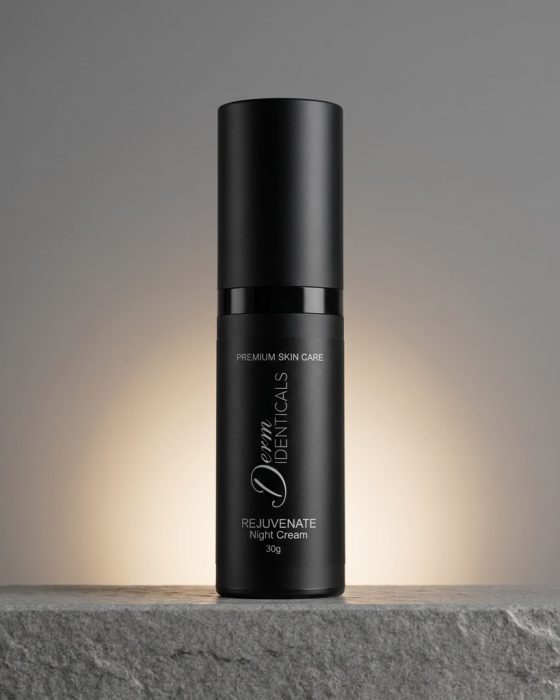
Apply a retinoid at night on dry skin, beginning two to three evenings per week. If your skin remains comfortable after a couple of weeks, increase frequency. Our Rejuvenate Night cream containing HPR is also formulated with humectants, ceramides and skin-identical lipids (and more) to simplify your routine.
Avoid layering a new retinoid with strong exfoliating acids on the same evening. Temporary dryness, mild flaking or sensitivity may be a sign to reduce frequency, not to push through. Retinoids are generally avoided during pregnancy and breastfeeding unless a qualified health professional advises otherwise.
Stabilised vitamin C for antioxidant defence
Vitamin C is valued for its antioxidant activity, its role in supporting collagen synthesis and its ability to brighten the appearance of uneven tone. It is especially useful in a morning routine, where it complements sunscreen by helping to neutralise oxidative stress generated by UV exposure and pollution.
The challenge is formulation stability. Pure L-ascorbic acid is well researched but can be difficult for reactive skin due to its low-pH environment and tendency to oxidise. Stabilised vitamin C derivatives may offer a more comfortable option, although the results, ideal concentration and conversion within the skin can differ between forms.
Look for packaging that protects the formula from excessive air and light exposure, and pay attention to how your skin responds. A vitamin C serum should not sting persistently or leave your barrier feeling tight. For sensitive skin, a fragrance-free formula with a deliberately reduced ingredient load is often a more sensible starting point than a highly acidic, multi-active product.
Niacinamide and ceramides for barrier-first ageing care
Skin barrier function becomes more relevant with age, but it also matters for anyone using actives, experiencing dehydration or prone to redness. A weakened barrier loses water more readily and can react to products that would otherwise be well tolerated. That can make fine lines appear more pronounced and interfere with a consistent treatment routine.
Niacinamide is a versatile form of vitamin B3. It can support barrier lipids, improve the look of uneven tone, assist with excess oil in some skin types and reduce the appearance of enlarged pores. More is not always better. High-strength niacinamide can be irritating for some people, especially when layered with multiple other actives. A well-formulated, moderate-strength product used consistently is often more useful than pursuing the highest percentage.
Ceramides are naturally occurring lipids that help organise the skin’s protective outer layer. A multi-ceramide complex, particularly when paired with cholesterol and fatty acids, can provide biomimetic support for dry, mature or sensitised skin. This does not only feel comforting. It can make it easier to sustain a retinoid or vitamin C routine without the cycle of irritation, recovery and abandonment.
Hyaluronic acid for hydration, not structural lifting
Hyaluronic acid is often described as a plumping ingredient, and it can temporarily improve the look of dehydration lines by attracting and retaining water in the upper skin layers. Multi-weight hyaluronic acid complexes use molecules of differing sizes to support surface hydration and a more cushioned skin feel.
It is not a replacement for collagen, nor does it physically lift facial contours when applied topically. Its value is more practical: hydrated skin tends to look smoother, reflect light more evenly and tolerate other active ingredients better. Apply it to slightly damp skin, then follow with a moisturiser to help reduce water loss, particularly in dry Australian climates or air-conditioned environments.
Exfoliating acids for clarity, with limits
Alpha hydroxy acids, such as glycolic and lactic acid, loosen the bonds between dead surface cells. Used appropriately, they can improve the appearance of dullness, rough texture and superficial pigmentation. Beta hydroxy acid, or salicylic acid, is oil-soluble and can be useful where congestion and visible pores sit alongside age-related concerns.
Acids are not a nightly requirement. For many people, one to two uses a week is sufficient, depending on the formula and skin tolerance. If your skin feels hot, shiny-tight, persistently red or suddenly reactive, you may be exfoliating beyond its capacity to recover. Pause acids and prioritise gentle cleansing, hydration and barrier lipids until comfort returns.
Cosmetic peptides, Exosomes, PDRN and emerging technologies
Cosmetic peptides are short chains of amino acids used in formulas to support a range of skin-signalling functions. Their effect depends heavily on the specific peptide, concentration, stability and delivery system, so the word “peptide” alone is not a guarantee of performance. They are often well suited to routines focused on firmness, resilience and a smoother-looking complexion, particularly when a client cannot tolerate frequent retinoid use.
PDRN and exosome-inspired technologies represent an evolving area of cosmetic science. They are increasingly used in sophisticated formulations designed to support the appearance of repair, hydration and skin vitality. However, their quality, source material, formulation standards and clinical evidence can vary substantially. Treat dramatic claims with care, and favour products that are transparent about their formulation approach rather than relying on futuristic terminology alone. We have sourced the globe to find what we consider the most trusted and best quality suppliers of exosomes and PDRN on the planet.
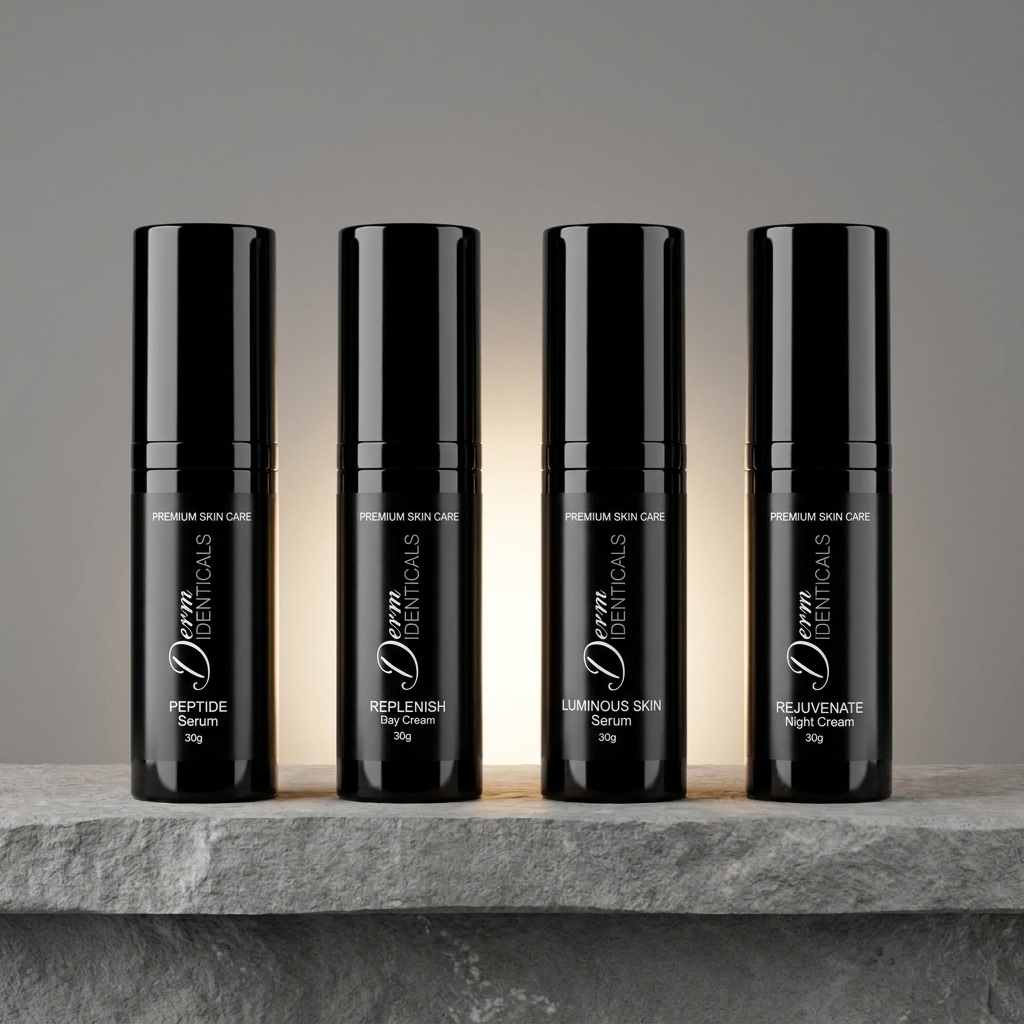
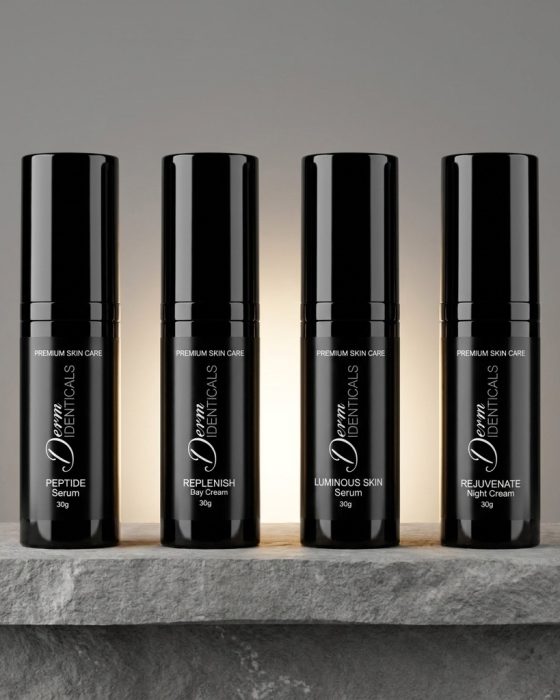
Our Rejuvenate Night Cream contains HPR with PDR, cosmetic peptides, Stabilised Vitamin C, Niacinamide, our multiple weight Hyaluronic acid complex, a multiple ceramide complex and more! Everything you need in a single night cream.
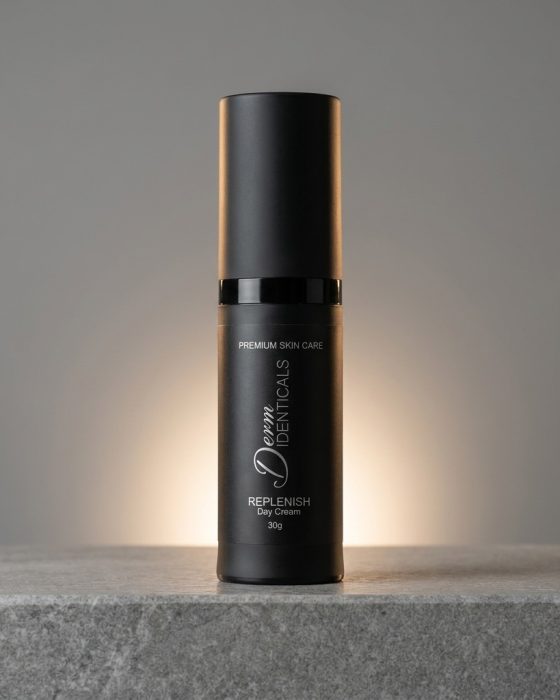
Our Replenish Day Cream contains exosomes, collagen fragments, Niacinamide, stabilised Vitamin C, our multiple weight Hyaluronic acid complex, a multiple ceramide complex and more! Everything you need in a single day cream.
Building a routine your skin can sustain
A high-performance routine does not need to be complicated. In the morning, gentle cleansing where needed, a serum followed by a barrier supportive moisturiser like Our Replenish Day Cream and then a broad-spectrum sunscreen create a protective framework. At night, use of a serum followed by a retinoid with hydration and barrier-supportive lipids like our Rejuvenate Night Cream or occasional exfoliant according to tolerance.
Introduce only one new active at a time and give it several weeks before judging it. This makes it far easier to identify the cause of irritation or congestion. People managing rosacea-like sensitivity, eczema, persistent pigmentation or significant inflammatory acne may benefit from personalised guidance from a dermatologist or qualified skin professional before using potent actives.
DermIdenticals approaches age-supportive skincare through this barrier-conscious lens: evidence-based actives, biomimetic support and fragrance-free formulations designed to reduce unnecessary stress on sensitive skin. The goal is not to overwhelm the skin into change, but to give it consistent, intelligent support.
The routine worth keeping is the one that leaves your skin calm enough to use again tomorrow. Choose fewer, well-formulated ingredients, protect your skin from the sun and allow steady progress to do its work.