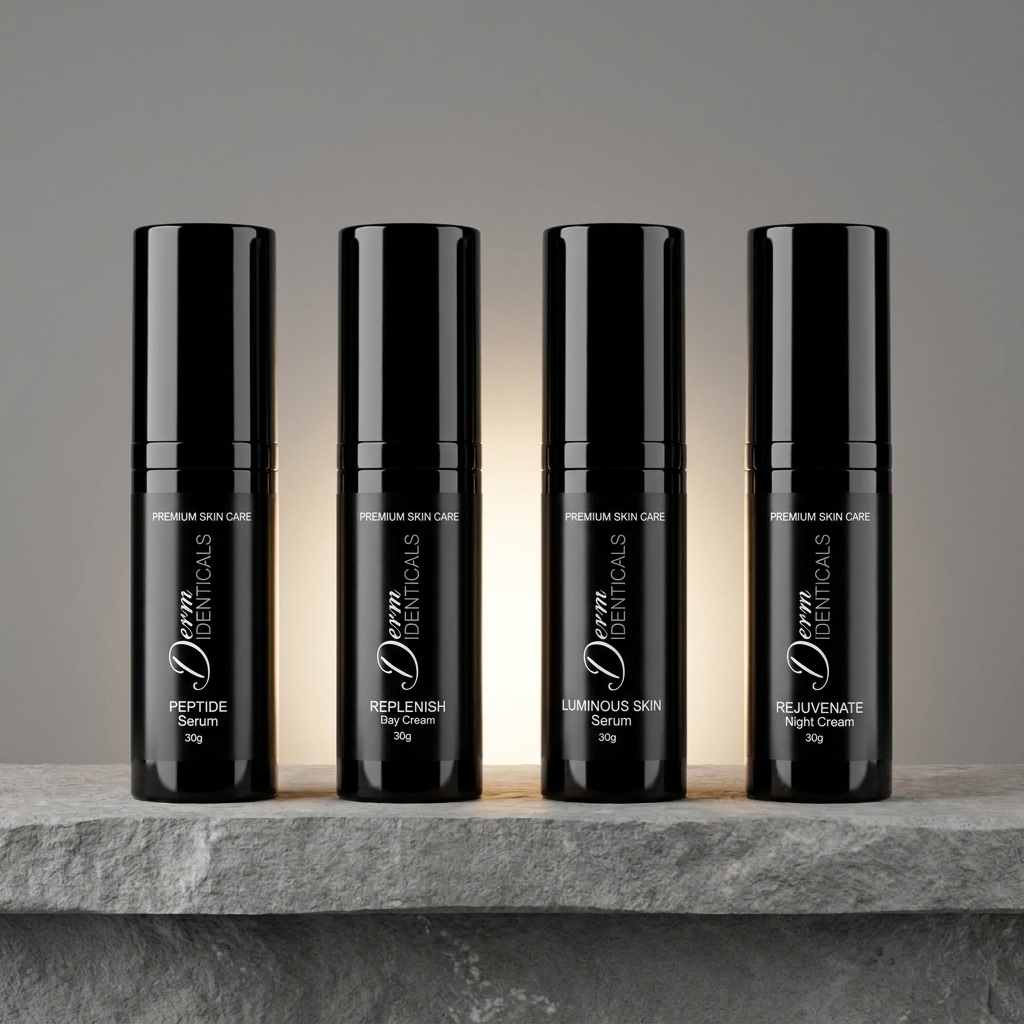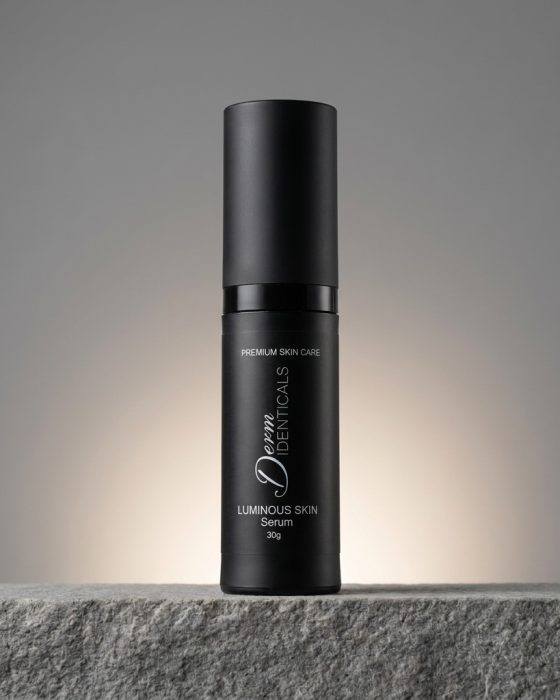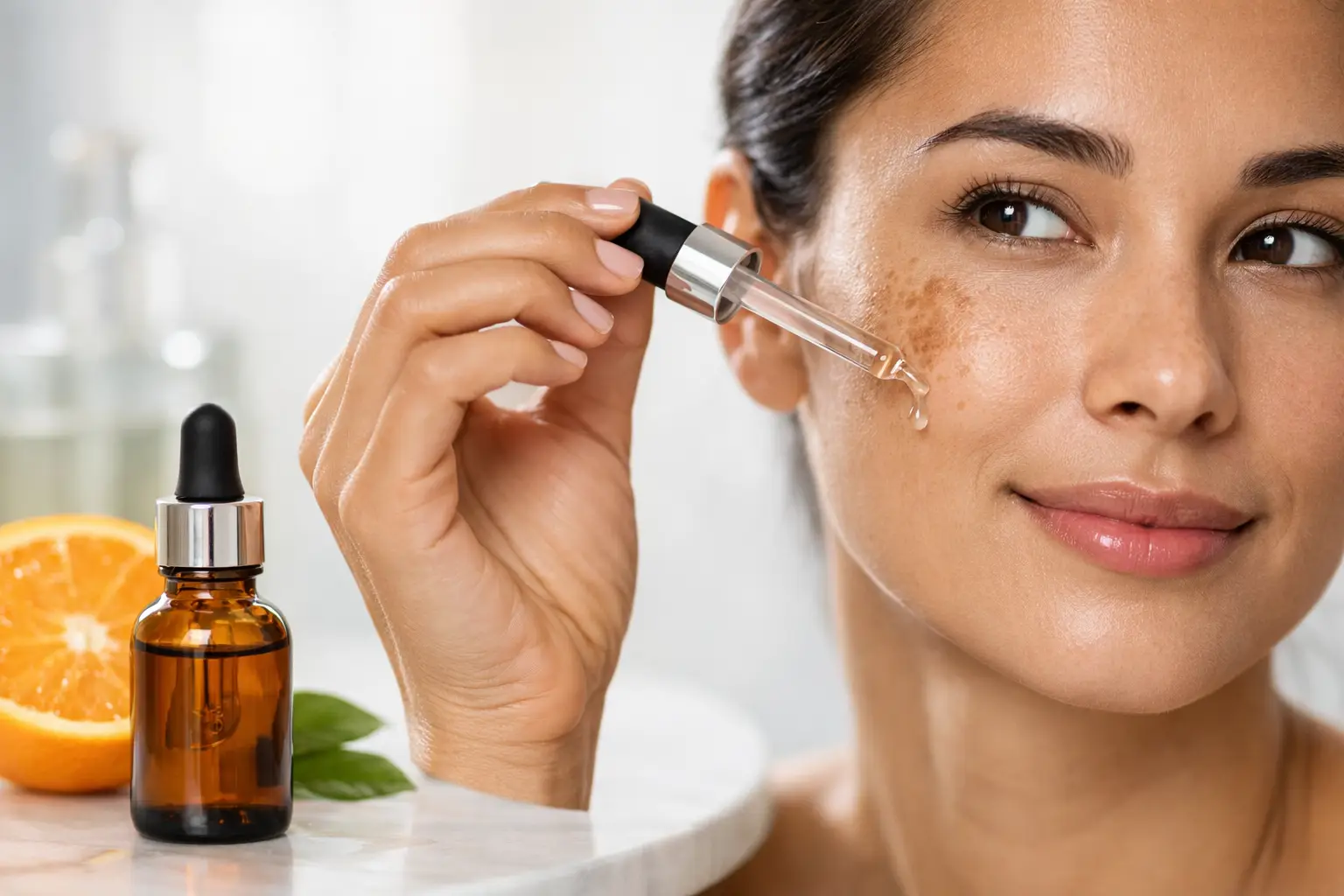
Pigmentation rarely appears for just one reason. A sun spot on the cheek, post-breakout marks along the jawline and patchy melasma can all look similar, yet they respond differently to skincare. A well-formulated vitamin C serum for pigmentation can be a valuable part of the overall treatment, but results depend on the form of vitamin C, your skin barrier, daily UV protection and the patience to use it consistently.
For Australian skin, sun exposure is a consideration. Brightening skincare can support a more even-looking complexion, but it cannot outpace ongoing UV and visible-light exposure without a considered daytime routine.
Why pigmentation needs a measured approach
Melanin is the pigment that gives skin its colour and provides a degree of natural defence against UV radiation. When skin is exposed to sunlight, inflammation, heat or hormonal shifts, pigment-producing cells called melanocytes may become more active. The result can be freckles, sun spots, post-inflammatory hyperpigmentation or melasma.
Post-inflammatory hyperpigmentation is particularly common after acne, irritation, waxing, dermatitis or an overly aggressive exfoliation routine. This is why treating uneven tone is not simply about using aggressive brightening actives. If a formula causes persistent stinging, redness or barrier disruption, the inflammation can prolong or deepen the very marks you are trying to address.
Melasma requires additional care. It is often influenced by hormones, heat and light, and tends to recur. Cosmetic skincare may improve the appearance of uneven tone, but stubborn, spreading or changing pigmentation should be assessed by a dermatologist or qualified health professional. Any spot that changes in size, shape, colour or sensation also warrants prompt medical review.
How vitamin C supports more even-looking skin
Vitamin C is a potent antioxidant with several relevant functions in a pigmentation routine. It helps neutralise free radicals generated by UV exposure and pollution, supports collagen synthesis and can interfere with pathways involved in excess melanin formation. Over time, this may help reduce the appearance of dullness and existing discolouration while helping to defend skin against new environmental stress.
It is not a bleaching ingredient nor a potent pigment inhibitor however is a valuable part of the overall treatment.
L-ascorbic acid, is the natural form of vitamin C. It is biologically active and effective at an appropriately formulated concentration and pH. Its limitation is stability: L-ascorbic acid is unstable and can oxidise when repeatedly exposed to air, light and heat. An oxidised formula may darken to pale yellow and then to deep orange or brown leaving it ineffective. Ascorbic acid is also acidic and thus irritating on sensitive skin.
Vitamin C derivatives, such as ethyl ascorbate and tetrahexyldecyl ascorbate, are often selected for improved formula stability and a gentler skin feel. They may suit sensitive or dry skin, although they require conversion in the skin and may produce results more gradually. Neither approach is automatically superior. The right choice depends on your tolerance, skin condition and willingness to maintain a consistent routine.
Choosing a vitamin C serum for pigmentation
Concentration is only one part of performance. A high percentage on the front of a bottle does not guarantee that a serum is stable, well delivered or appropriate for your skin. Look instead at the full formulation.
L-ascorbic acid is commonly used between 10 and 20 per cent. Lower strengths can be a sensible starting point for reactive skin, while higher concentrations do not necessarily mean faster results. Above a certain point, irritation can increase without a proportional benefit.
For a sensitive complexion, a stable and non acidic form of Vitamin C is recommended. Fragrance, essential oils and unnecessary sensitising additives may complicate a routine when the skin is already inflamed or compromised. DermIdenticals’ CLEANICAL approach reflects this principle: advanced actives are most useful when they are supported by careful formulation and respect for barrier function.
Packaging matters too. Opaque, air-restrictive packaging helps protect vitamin C from light and oxygen. Store the serum in a cool, dry cupboard rather than on a sunny bathroom ledge. A slight colour change may occur over time, but a dramatically dark brown or orange product should be replaced.
How to use vitamin C serum for pigmentation
Vitamin C serum should be used in the morning because its antioxidant activity complements sunscreen. After a gentle cleanse, apply a small amount to dry skin, then follow with brightening cream/serum if the pigmentation is more moderate and then a broad-spectrum sunscreen.
Dry skin is preferable for many active serums because applying to damp skin can increase penetration and, for some people, increase sting.
Give the serum time. Early improvements in radiance may be visible within several weeks, while established pigmentation usually needs eight to 12 weeks of consistent use before changes are easier to assess. Deeper sun damage and melasma can take longer. Take photographs in the same natural light once a month rather than judging progress day to day.
Pairing vitamin C with other actives
A pigmentation routine can be highly effective without becoming overcrowded. Vitamin C pairs well with other ingredients to address the various pathways for pigment production. This is discussed in more detail in our how to fade age spots without damaging the skin article.
Pigment inhibitors like 4-butylresorcinol, a powerful and safe skin-brightening agent that inhibits melanin production, is recommended. It is generally well-tolerated by sensitive skin types as a gentle, non-irritating alternative to harsh treatments like hydroquinone. Despite being well tolerated it is no slouch and is one of the most potent ingredients in this class of compounds.
Retinoids can support cell turnover and improve the look of surface discolouration however we recommend Hydroxypinacolone Retinoate, a new generation retinoid that is non irritating, chemically stable and considered one of the most effective forms of Retinol available for maximum benefits and minimal irritation.
Niacinamide is a valuable option for uneven tone because it supports barrier function while helping reduce the visible transfer of pigment within the skin. It is often well tolerated, making it particularly useful for sensitive or dehydrated skin types that cannot comfortably use multiple strong actives.
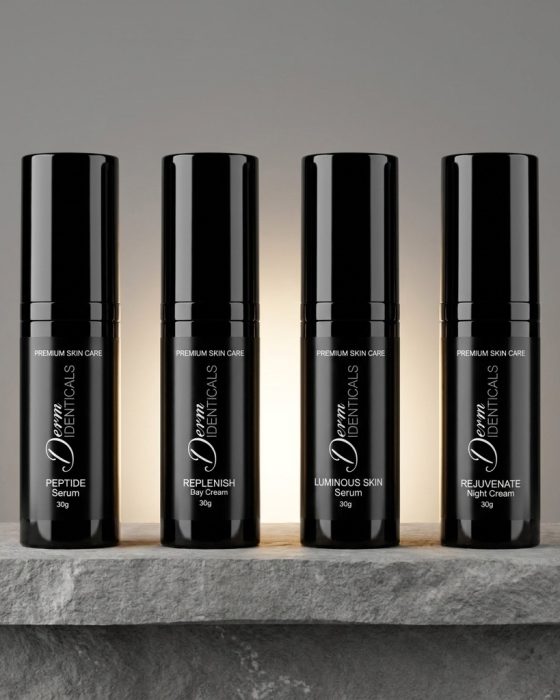
Our Restore Brightening Serum contains a combination of all the ingredients listed above and is considered one of the most effective combinations available on the market to reduce the appearance of pigmentation, melasma, sun spots, age spots and freckles. You can use this serum in conjunction with our C Serum for enhanced results.
Common reasons results stall
The most common issue is inconsistent sunscreen use. Vitamin C offers antioxidant support, but it is not a substitute for SPF protection. Hats, sunglasses and shade add further practical protection, particularly around midday and during long periods outdoors.
Another issue is changing products too quickly. Pigmentation shifts slowly, and frequent switching makes it difficult to know what is helping or harming. Commit to a tolerable, structured routine for at least two to three months unless irritation occurs.
Finally, consider the source of the pigmentation. Fresh acne marks may improve as breakouts are controlled, while melasma may need a broader management plan. Professional treatments can be appropriate for some concerns, but at-home skincare and sun protection remain the foundation that helps maintain any improvement.
A vitamin C serum earns its place not by promising an overnight transformation, but by supporting skin every morning: defending against oxidative stress, encouraging a more luminous tone and working in step with a calm, well-protected barrier.