Age spots can appear gradually, then suddenly seem far more visible after a summer of incidental sun exposure. If you are researching how to fade age spots, the most effective answer is rarely one aggressive product. It is a structured approach that limits further pigment formation while steadily encouraging a more even-looking skin tone without compromising the skin barrier.
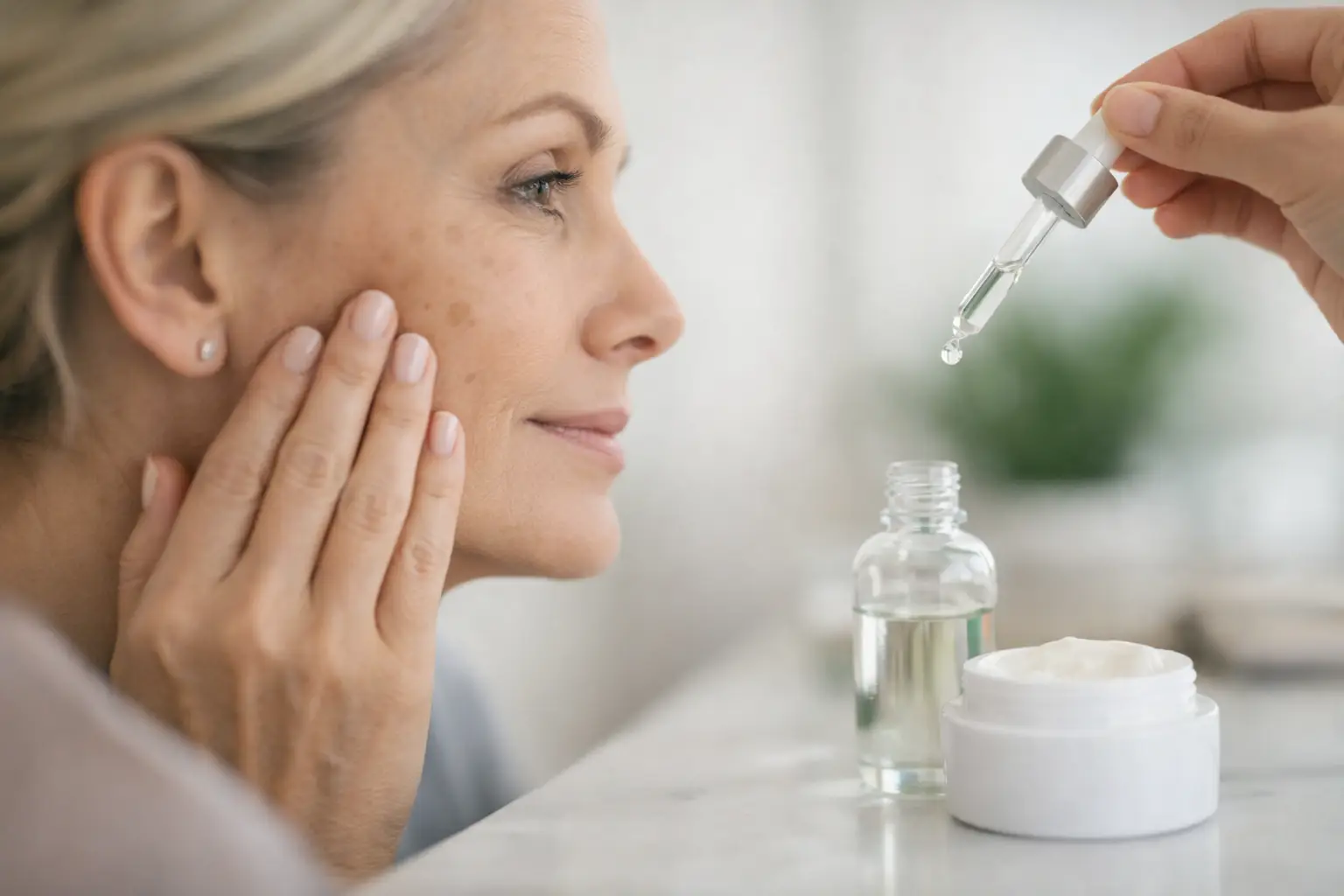
Also called solar lentigines or sun spots, age spots are flat patches of increased pigment, commonly seen on the face, chest, shoulders and backs of the hands. They are associated with cumulative ultraviolet exposure, which is particularly relevant in Australia. They are not caused by poor cleansing, and scrubbing harder will not remove them. In fact, irritation can prolong uneven tone in skin that is prone to post-inflammatory pigmentation.
Start by confirming it is an age spot
A new, changing or unusual pigmented lesion should be assessed by a GP or dermatologist before you treat it as a cosmetic concern. This matters especially if a spot is asymmetrical, has an irregular border, contains several colours, changes in size or appearance, bleeds, crusts or becomes itchy.
Once a clinician has confirmed that spots are benign sun-related pigmentation, skincare can help improve their appearance. Expectations should be realistic: established age spots may soften and blend more effectively with surrounding skin, but they do not always disappear completely with topical care alone. Results also depend on depth of pigment, skin tone, consistency and ongoing UV exposure.
How to fade age spots with a barrier-first routine
Pigmentation-focused skincare works best when the barrier is stable. A disrupted barrier can make skin feel dry, reactive and inflamed, which may lead to more visible uneven tone. Build a routine around sun protection, an effective yet gentle combination of key ingredients and supportive moisturisation.
Daily broad-spectrum sunscreen is non-negotiable
No brightening ingredient can keep pace with regular UV exposure. Apply a broad-spectrum sunscreen every morning to the face, neck, chest and hands where exposed. Use enough product, apply it as the final step of your morning routine, and reapply when outdoors, driving for extended periods, exercising or sitting close to windows with strong sun exposure.
For Australian conditions, physical protection adds meaningful support. A broad-brim hat, sunglasses, shade and protective clothing reduce the cumulative exposure that triggers pigment activity. This is not about avoiding daylight altogether. It is about preventing the repeated UV signal that can darken existing spots and create new ones.
Ingredients to look for:
Pigment Inhibitor
4-Butylresorcinol (also called rucinol) is a powerful and safe skin-brightening agent that inhibits melanin production. It is generally well-tolerated by sensitive skin types as a gentle, non-irritating alternative to harsh treatments like hydroquinone. Despite being well tolerated it is no slouch and is one of the most potent ingredients in this class of compounds.
Vitamin C
Vitamin C is a well-established antioxidant that supports skin defence against environmental oxidative stress and can help improve the look of uneven pigmentation over time. It is especially useful in a morning routine under sunscreen, where the two approaches complement one another.
Choose a formula designed for regular use, rather than assuming a higher percentage is always better. Pure ascorbic acid can be effective but may be challenging for reactive skin because it is formulated at a low pH. Vitamin C derivatives may offer a gentler alternative. Our C Serum is perfect for this situation.
Retinoids
Retinoids support cellular turnover and can improve the appearance of photoageing, uneven tone and fine lines with sustained use. They are among the most useful topical categories for people managing both age spots and broader signs of sun exposure.
Hydroxypinacolone Retinoate, a new generation retinoid that is non irritating, chemically stable and considered one of the most effective forms of Retinol currently available would be our prime recommendation for sensitive skin.
Niacinamide a pigment-support ingredient
Niacinamide is a valuable option for uneven tone because it supports barrier function while helping reduce the visible transfer of pigment within the skin. It is often well tolerated, making it particularly useful for sensitive or dehydrated skin types that cannot comfortably use multiple strong actives.
Tranexamic Acid
Tranexamic acid (TXA) is an exceptional, non-exfoliating brightening ingredient ideal for sensitive skin. It calms inflammation, blocks pigment-triggering pathways between cells, and fades stubborn dark spots or melasma without the stinging, redness, or sun sensitivity typically caused by traditional chemical exfoliants or hydroquinone.
Our Restore Brightening Serum contains a combination of all the ingredients listed above and is considered one of the most effective combinations available on the market to reduce the appearance of pigmentation, melasma, sun spots, age spots and freckles.
Other tips
Exfoliate with restraint. AHAs such as glycolic acid and lactic acid can help lift surface dullness and improve the appearance of uneven tone. Used appropriately, they can complement a pigmentation routine. Used too often, they can impair barrier function and leave skin looking red, tight and more uneven.
For most people, a gentle leave-on exfoliant once weekly is enough when a retinoid is also in the routine. Our Revitalise Peel is perfect for this. If you do not use a retinoid and your skin is resilient, two applications may be suitable.
A simple routine for age spots
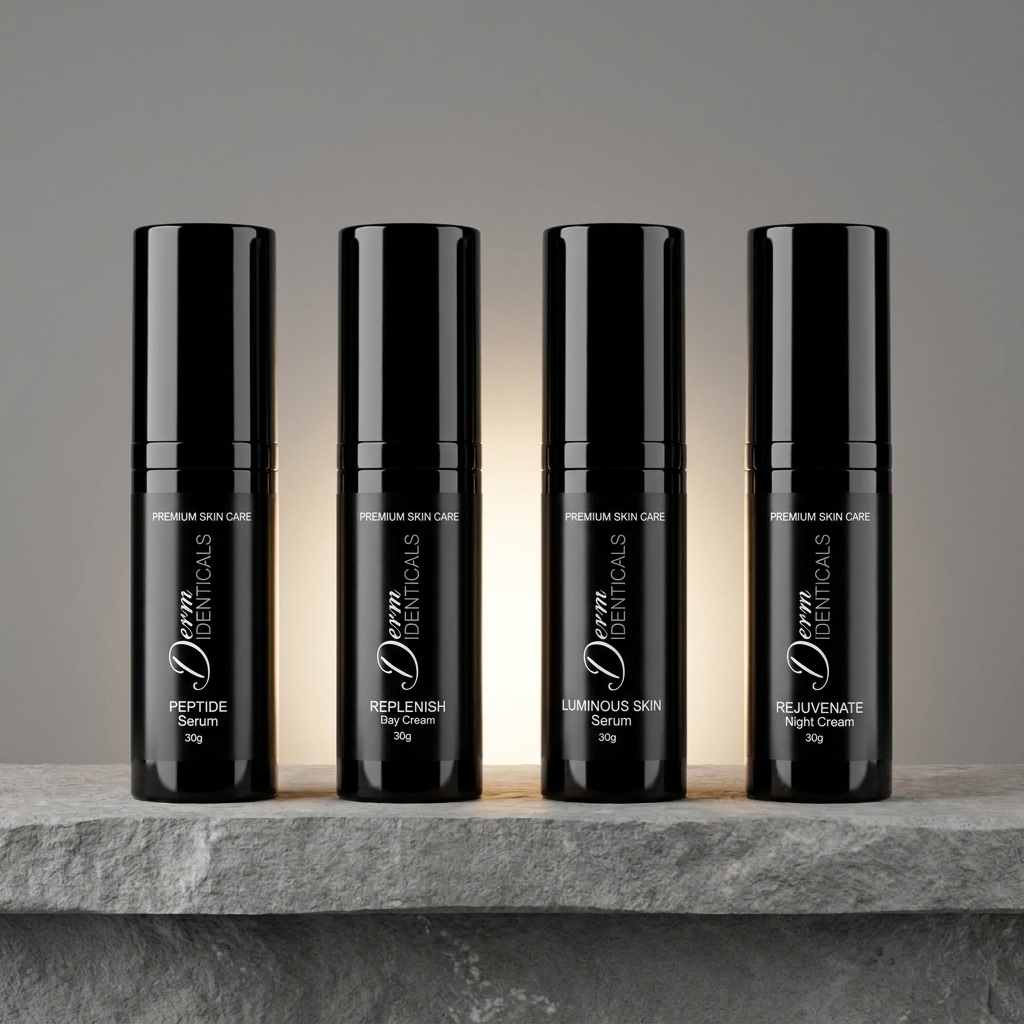
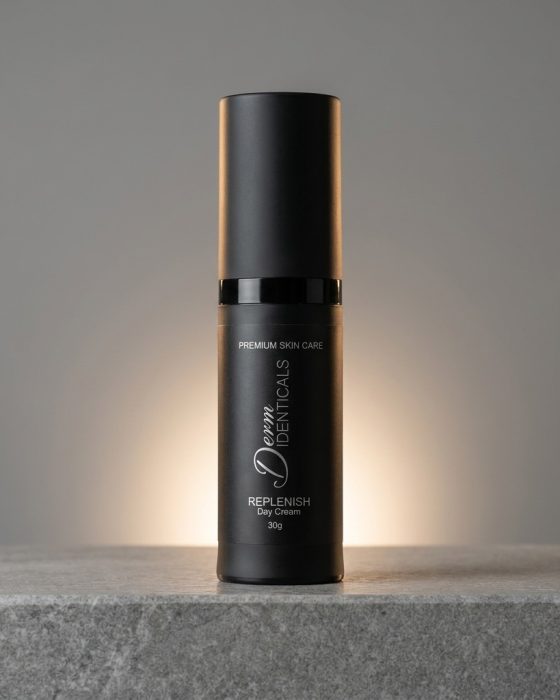
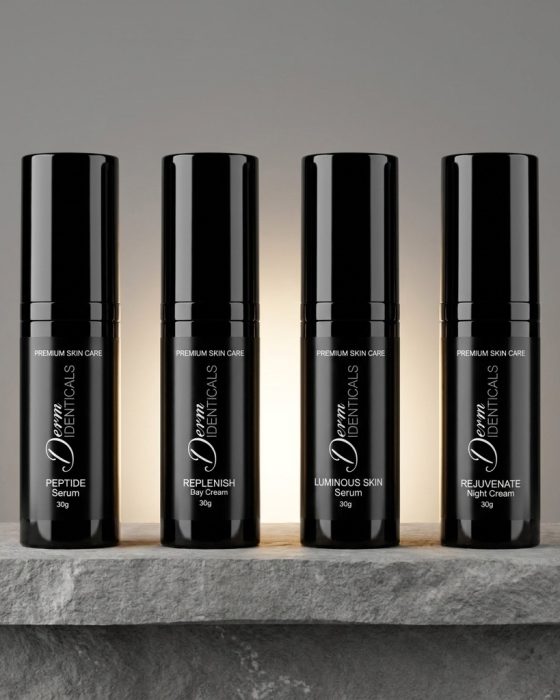
A manageable routine is more likely to be used consistently for the months needed to see change. In the morning, cleanse gently with our Refresh Hydrating Cleanser, apply a vitamin C or niacinamide serum, moisturise where needed and finish with SPF. At night, cleanse, use our Restore Brightening Serum then apply a fragrance-free moisturiser with humectants, ceramides and other barrier-supporting lipids like our Replenish Day cream.
DermIdenticals approaches pigmentation care through this same principle: advanced, evidence-based actives should be supported by biomimetic barrier care and a deliberately reduced ingredient load, particularly for skin that is easily sensitised by fragrance or overly complex routines.
Avoid the habits that keep spots looking darker
The most common mistake is treating pigmentation as a surface problem only. Harsh facial scrubs, cleansing brushes and repeated at-home peels can create inflammation without addressing the pigment process underneath. Picking at blemishes, waxing or shaving over irritated skin, and using fragranced products that provoke sensitivity can have a similar effect.
Be cautious with unregulated online lightening creams. Products that promise dramatic bleaching in days may contain undeclared or unsuitable ingredients. Hydroquinone, for example, is a regulated medicine in Australia and should only be used under appropriate medical guidance. Stronger treatment is not automatically smarter treatment.
It is also wise to patch test new products where practical, then use the product on a small area or at reduced frequency before applying it broadly. If stinging lasts, redness accumulates or the skin becomes increasingly dry, stop the active and return to gentle cleansing, moisturiser and sunscreen until comfort is restored.
Give the process enough time
Pigment fades on a biological timetable, not a social-media timetable. Many people notice a more luminous, even appearance within eight to 12 weeks of consistent targeted care, while more established spots can take longer. Take clear photographs in the same lighting every month rather than judging changes day to day.
The most useful approach is calm consistency: protect skin each morning, treat it thoughtfully at night and preserve the barrier that allows active ingredients to do their work. If a spot changes, seek medical advice promptly. If it is confirmed as benign, a measured routine can help your skin look clearer, more even and better supported for the years ahead.