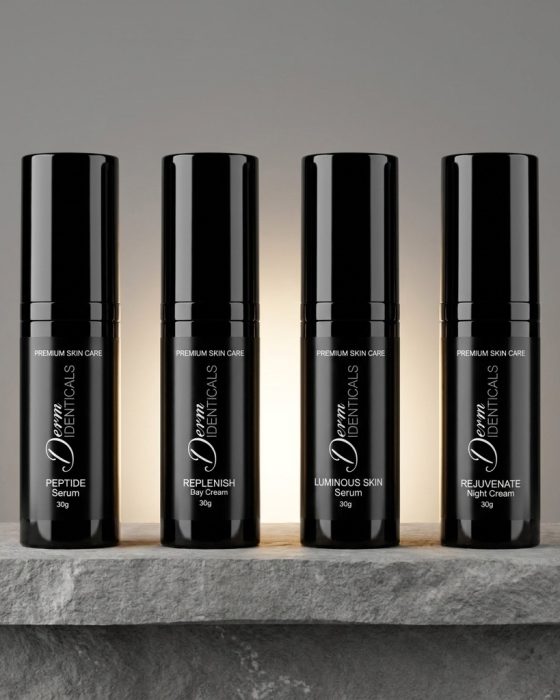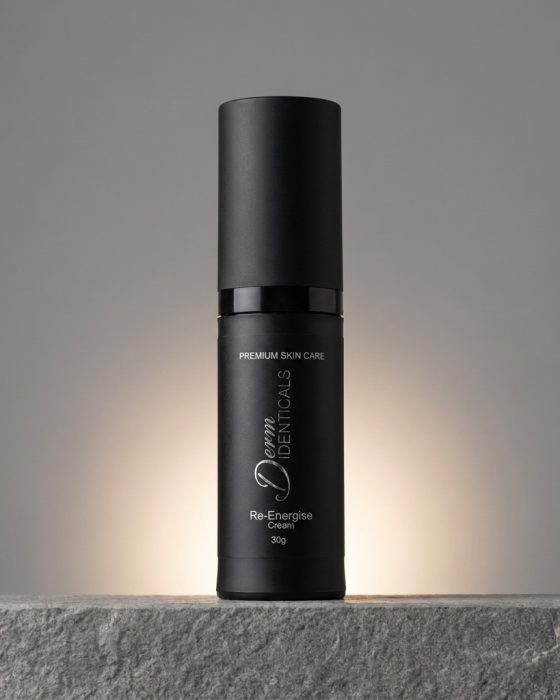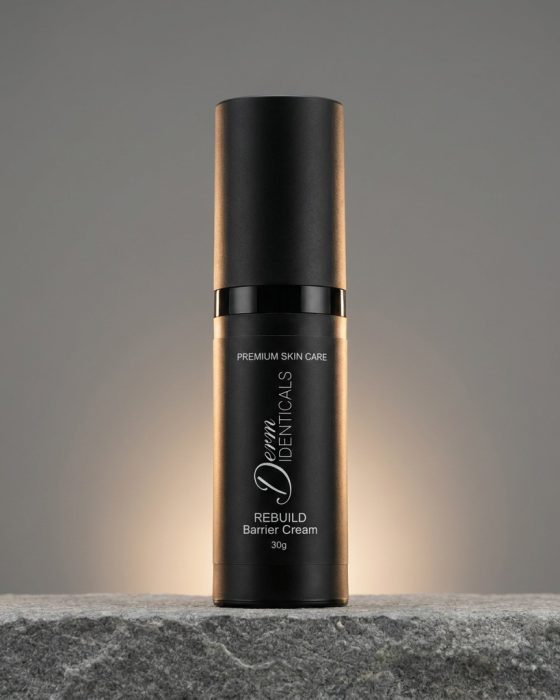
Skin that suddenly stings when water touches it, feels tight beneath makeup, or reacts to products it once tolerated is not simply “dry”. It may be signalling reduced barrier function. The best barrier creams are designed to address this biology: replenishing the substances that hold corneocytes together, limiting moisture loss and reducing exposure to external irritants without overwhelming already reactive skin.
A barrier cream is not just a richer moisturiser. Its value lies in the quality and balance of its ingredients, the formula’s tolerability and whether its texture suits the way your skin is behaving right now. For sensitised skin, more products or more actives are rarely the answer. A considered formula and a simpler routine usually are.
What a barrier cream is designed to do
The outermost layer of skin, the stratum corneum, is often described as a brick-and-mortar structure. The corneocytes are the bricks; lipids including ceramides, cholesterol and fatty acids form the mortar around them. This structure helps keep water within the skin while reducing the entry of irritants, pollutants and potential allergens.
When this lipid matrix is disrupted, transepidermal water loss increases. Skin can become rough, flaky, dehydrated, red or uncomfortable. Causes vary. Cold, dry weather, air conditioning, over-cleansing, exfoliating acids, retinoids, UV exposure and inflammatory skin conditions can all contribute. Even a well-intentioned routine with too many active products can leave the barrier under pressure.
An effective barrier cream supports recovery through three complementary mechanisms. Humectants such as glycerin and hyaluronic acid draw and hold water in the upper layers of skin. Emollients smooth roughness and improve flexibility. Occlusive ingredients create a breathable protective layer that slows moisture evaporation. The strongest formulas also supply biomimetic lipids, particularly ceramides, in a system designed to work with the skin’s existing barrier architecture.
How to identify the best barrier creams for your skin
There is no single best texture or ingredient list for every person. The right choice depends on whether your concern is acute sensitivity, persistent dehydration, ageing-related dryness, post-treatment fragility or a tendency towards congestion. The formulation should be assessed as a whole, rather than by one fashionable ingredient on the front label.
Look for barrier-identical lipids
Ceramides are central to healthy barrier function, but the wider lipid environment matters too. A formula containing a combination of ceramides alongside cholesterol and fatty acids can be especially useful because these components naturally work together in the skin’s protective matrix. A five ceramide complex may offer broad support across different ceramide types, making it a considered option for dry, compromised or mature skin.
For reactive skin, a biomimetic approach is particularly valuable. Rather than relying on heavy fragrance or a long list of botanical extracts to create a feeling of comfort, it focuses on components the skin can recognise and use.
Choose hydration that does not stop at the surface
Dehydration can affect oily, combination and acne-prone skin as readily as dry skin. In fact, over-cleansing or using strong blemish treatments may create surface oiliness while the skin remains water-depleted underneath.
Multi-weight hyaluronic acid complexes can be useful here. Different molecular sizes help create hydration across the superficial layers, while glycerin remains one of the most reliable and well-established humectants in skincare. In a barrier cream, these ingredients work best when paired with lipids and emollients. Humectants on their own may not provide enough lasting comfort when the air is dry or the skin barrier is significantly impaired.
Prioritise a low-irritant formulation
When skin is inflamed, ingredient restraint is a strength. Fragrance, essential oils and unnecessary colourants can complicate a routine for people prone to sensitivity. Similarly, some people find that heavily layered formulas with numerous extracts make it harder to identify what is causing a reaction.
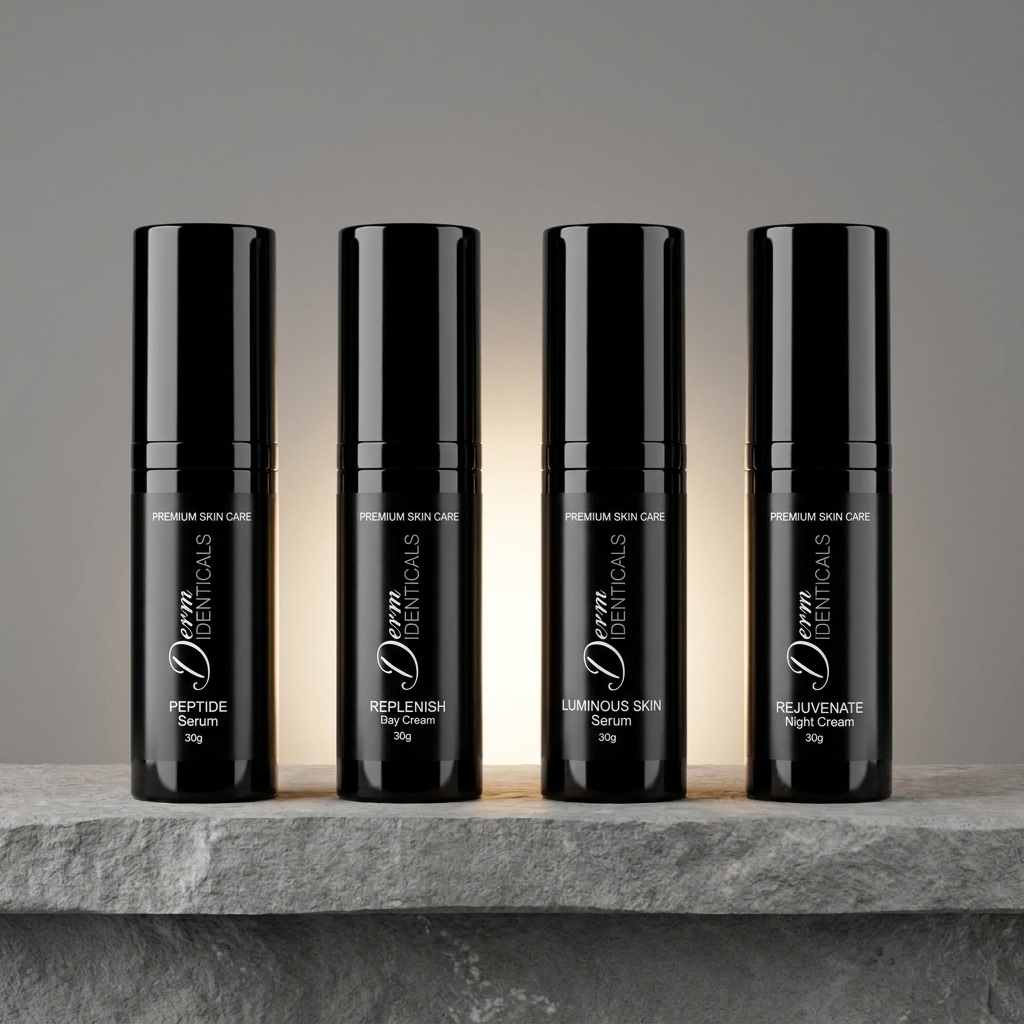
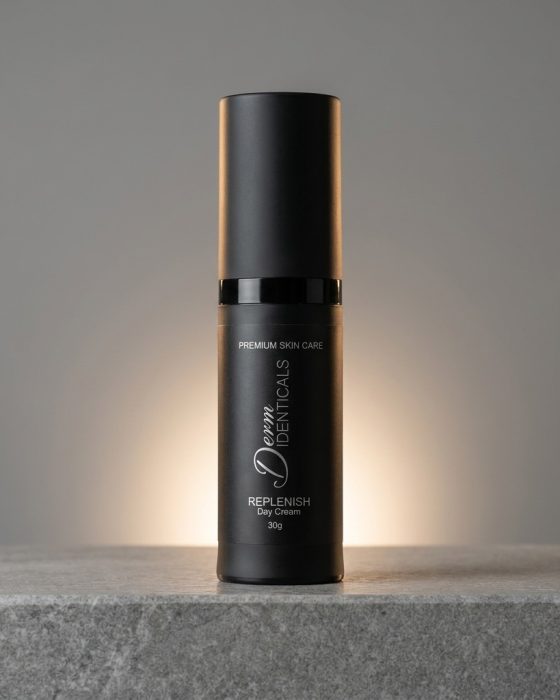
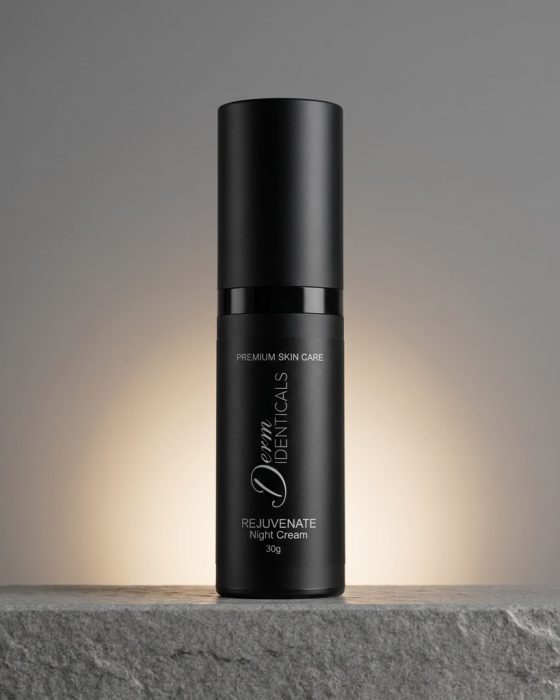
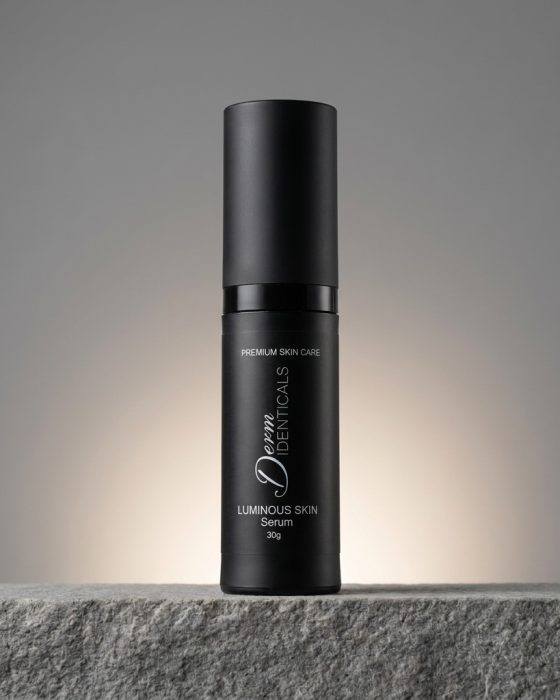
Fragrance-free products with a deliberately reduced ingredient load offer a more controlled starting point. DermIdenticals’ CLEANICAL formulation philosophy reflects this principle, combining evidence-based actives and barrier-support ingredients while excluding recognised sensitivity triggers such as parabens, sulfates, PEGs and propylene glycol.
This does not mean every ingredient outside a minimal formula is inherently unsuitable. It means that, during a period of barrier compromise, tolerability should take priority over novelty.
When barrier repair should come before active skincare
A good skincare routine is not static. Retinoids, stabilised vitamin C, PDRN, exosomes, AHAs, etc can all have a role in treating visible ageing, pigmentation, uneven texture and breakouts. But skin that is persistently burning, peeling or unusually red needs a different priority.
Consider temporarily reducing exfoliating acids, retinoid frequency and strong cleansing steps while introducing a barrier cream like our Rebuild Barrier Cream morning and night. Use lukewarm water, cleanse only as needed, and apply moisturiser while skin is still slightly damp. During the day, broad-spectrum sunscreen remains essential, because UV exposure can aggravate inflammation and delay recovery.
This is not a reason to abandon active skincare permanently. It is a reason to reintroduce it methodically. Once skin feels settled, restart one active at a time, perhaps on alternate evenings, and continue using a barrier-support cream around it. This approach is often more productive than pushing through irritation in pursuit of faster results.
A practical routine for a weakened barrier
For many people, a three-step routine is sufficient during a flare of sensitivity: a mild cleanser, a barrier cream and sunscreen in the morning. At night, cleanse gently and apply the cream more generously, particularly across the cheeks, around the nose and on areas prone to dryness.
If your skin tolerates it, a hydrating serum with hyaluronic acid or niacinamide can sit beneath your cream. Niacinamide may support ceramide synthesis and improve visible redness, but concentration and formula matter. Higher percentages are not always more comfortable for reactive skin. If stinging increases, simplify rather than adding more layers.
Apply your barrier cream within a minute or two of cleansing. This helps retain the water already present on the skin. In dry conditions, a second thin layer over the most affected areas can be more comfortable than applying one very thick layer across the entire face.
Common mistakes when choosing barrier creams
The most common mistake is choosing solely by richness. Petrolatum-based ointments are highly effective at reducing water loss, but they do not replenish the skin’s missing lipids or provide the elegant finish some people want for daytime use.
Another is continuing to use multiple exfoliants while expecting a moisturiser to offset the irritation. Barrier support cannot fully compensate for an ongoing trigger. Review cleansers, toners, treatment serums and even makeup removal habits if your skin is not improving.
Finally, do not judge a cream only by its first application. A formula can feel beautifully rich yet be too heavy for daily wear, while a lighter biomimetic cream may produce more consistent comfort over several weeks. Give a suitable product time, unless it causes burning, itching, swelling or a rash. In those cases, stop use and seek professional advice, particularly if symptoms are persistent or severe.
Your skin barrier is not a cosmetic afterthought. It is the foundation that allows brightening, anti-ageing and corrective treatments to perform more comfortably over time. Choosing a barrier cream with purposeful lipids, lasting hydration and a low-irritant formula gives skin the conditions it needs to become calm, resilient and ready for the rest of your routine.