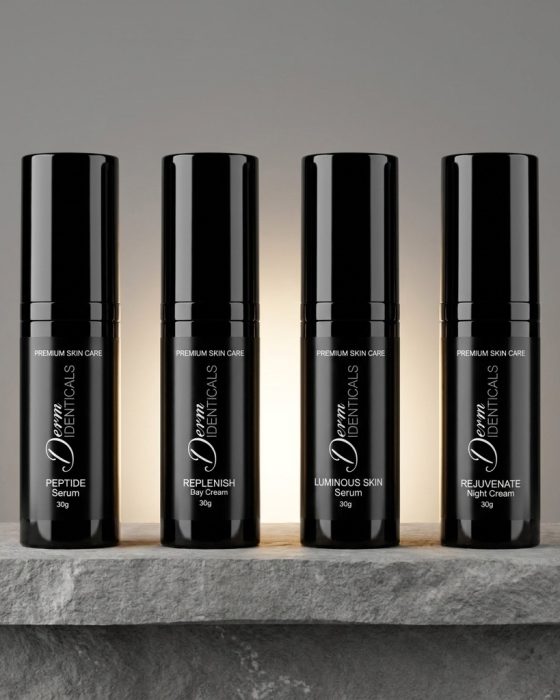
Pigmentation rarely responds well to a single ‘hero’ product. A considered hyperpigmentation treatment guide begins with understanding what is driving the excess melanin, then choosing active ingredients your skin can tolerate consistently. For Australian skin exposed to high UV levels, daily photoprotection is not an optional final step. It is the foundation that allows every other part of a pigment-correcting routine to work.
Hyperpigmentation can improve, but it is usually gradual. Established sun spots, post-acne marks and hormonally influenced pigmentation may take several months of disciplined care to look meaningfully clearer. The aim is not to aggressively strip the skin into submission. It is to reduce signals that stimulate melanin while protecting the skin barrier from inflammation, which can create more discolouration in the first place.
What hyperpigmentation is – and why it persists
Hyperpigmentation occurs when melanocytes, the cells responsible for melanin production, produce or distribute excess pigment. It can appear as discrete brown spots, a shadow left after a blemish, or larger symmetrical patches across the cheeks, forehead and upper lip.
Sun exposure is a major trigger, even when skin does not visibly burn. Ultraviolet radiation and visible light can stimulate melanogenesis, particularly in melasma and deeper skin tones. Other common causes include inflammatory acne, dermatitis, friction, hormonal changes and certain medications. Post-inflammatory hyperpigmentation can be particularly frustrating because the original breakout or irritation resolves long before its mark does.
Not all pigmentation behaves in the same way. Post-acne marks may respond well to a gentle brightening routine once breakouts are controlled. Melasma is more prone to recurrence and generally needs ongoing sun protection and a measured approach. A new, changing, raised, irregular or very dark spot should be assessed by a GP or dermatologist rather than treated as cosmetic pigmentation.
Hyperpigmentation treatment guide: begin with light protection
Pigment-focused serums cannot compensate for inconsistent sunscreen use. In Australia, choose a broad-spectrum SPF sunscreen and apply it every morning to the face, neck and other exposed areas. Use enough product to form an even film, and reapply according to the label, particularly after swimming, perspiring or extended time outdoors.
For melasma and persistent uneven tone, tinted sunscreen can be a useful consideration. Iron oxides may help provide defence against visible light, which can contribute to pigment stimulation. A hat, sunglasses and shade offer practical additional protection, especially during long periods outdoors.
This is also where expectations need to be realistic. Sunscreen prevents further darkening and supports gradual fading, but it will not erase established pigmentation overnight. Its benefit is cumulative, and it protects the investment you make in targeted skincare.
Choose brightening actives with a clear purpose
The best routine is one that combines well considered ingredients with different but synergistic modes of action. They need not be harsh which only compromises barrier function, triggers inflammation and worsen pigment in reactive skin. Select a well formulated product like our Restore Brightening cream and introduce it slowly and assess your skin over a couple of weeks. Ingredients to look for:
Pigment Inhibitors
4-Butylresorcinol is one of the most powerful and yet safe skin-brightening agents that inhibits melanin production. It is generally well-tolerated by sensitive skin types as a gentle, non-irritating alternative to harsh treatments like hydroquinone. Despite being well tolerated it is no slouch and is one of the most potent ingredients in this class of compounds.
Stabilised vitamin C for antioxidant support
Vitamin C supports a more even-looking complexion through antioxidant activity and by influencing pathways involved in melanin production. It is particularly valuable in a morning routine beneath sunscreen, where it helps address oxidative stress from environmental exposure.
Formulation matters. Stabilised forms can provide greater suitability for sensitive skin than highly acidic formulas, while still offering brightening and collagen-support benefits. If your skin stings, flushes or becomes persistently dry, reduce frequency rather than pushing through irritation.
Niacinamide for pigment and barrier function
Niacinamide is a useful multi-tasking ingredient for uneven tone, dehydration and sensitivity. It can help reduce the transfer of pigment to surrounding skin cells while supporting ceramide synthesis and skin barrier function. This makes it a considered option for people managing post-inflammatory marks alongside a tendency towards redness or breakouts.
Higher percentages are not automatically better. A well-balanced formula used consistently is generally more valuable than a stronger concentration that leaves skin uncomfortable.
Retinoids for cell turnover and long-term renewal
Retinoids support skin renewal and can improve the appearance of uneven tone, fine lines and textural irregularity over time. Hydroxypinacolone Retinoate is a modern retinoid ester often selected for its cosmetic performance with a potentially more comfortable skin feel than traditional retinoic acid.
Use a retinoid at night, starting two or three evenings a week and increasing only if your skin remains calm. Apply it to dry skin and follow with a barrier-support moisturiser if needed. Retinoids are not appropriate during pregnancy or breastfeeding unless specifically advised by a qualified health professional.
AHAs for carefully managed exfoliation
Chemical exfoliants can assist with dullness and superficial pigment by helping shed accumulated dead skin cells. AHAs such as lactic or glycolic acid are commonly used for surface texture and radiance.
The trade-off is irritation. Over-exfoliation can impair the barrier, create redness and prolong pigmentation. Keep exfoliation separate from retinoid nights at first, limit it to one or two applications weekly, and avoid scrubs or harsh cleansing brushes while treating uneven tone.
Build a routine your skin can sustain
A pigmentation routine should feel manageable, not like a nightly experiment. In the morning, cleanse gently if needed, apply our Vit C serum or Restore Brightening Serum, moisturise, then apply SPF. At night, cleanse thoroughly to remove sunscreen and daily residue, use either our C Serum or Restore Brightening Serum and finish with a fragrance-free moisturiser that supports the barrier.
If you are prone to sensitivity, patch test new products and add only one active product at a time. Give each change at least two to four weeks before deciding whether it is suitable. A sudden rush to add acids, retinoids and brightening serums together makes it difficult to identify what is helping and what is causing a reaction.
Address the cause, not only the mark
If post-inflammatory hyperpigmentation follows acne, preventing new breakouts deserves equal attention. Repeated inflammation creates repeated pigment signals. Use non-comedogenic, barrier-conscious products and seek professional advice if acne is painful, cystic or leaving scars.
For melasma, heat, hormonal fluctuations and light exposure can all be relevant. Some people notice flares around pregnancy, menopause or while using hormonal contraception. A dermatologist can help clarify the pattern and discuss prescription options or in-clinic treatments where appropriate. Procedures such as peels, lasers and intense pulsed light are not universally suitable, particularly for deeper skin tones or active melasma, where poorly chosen treatment can provoke rebound pigmentation.
Progress should look calm, not dramatic
Take clear photographs in the same natural light every four weeks rather than checking daily in the mirror. Look for softer edges, reduced contrast and a more even overall tone before expecting individual spots to disappear. Pigmentation often improves unevenly, and progress can be less obvious during brighter summer months.
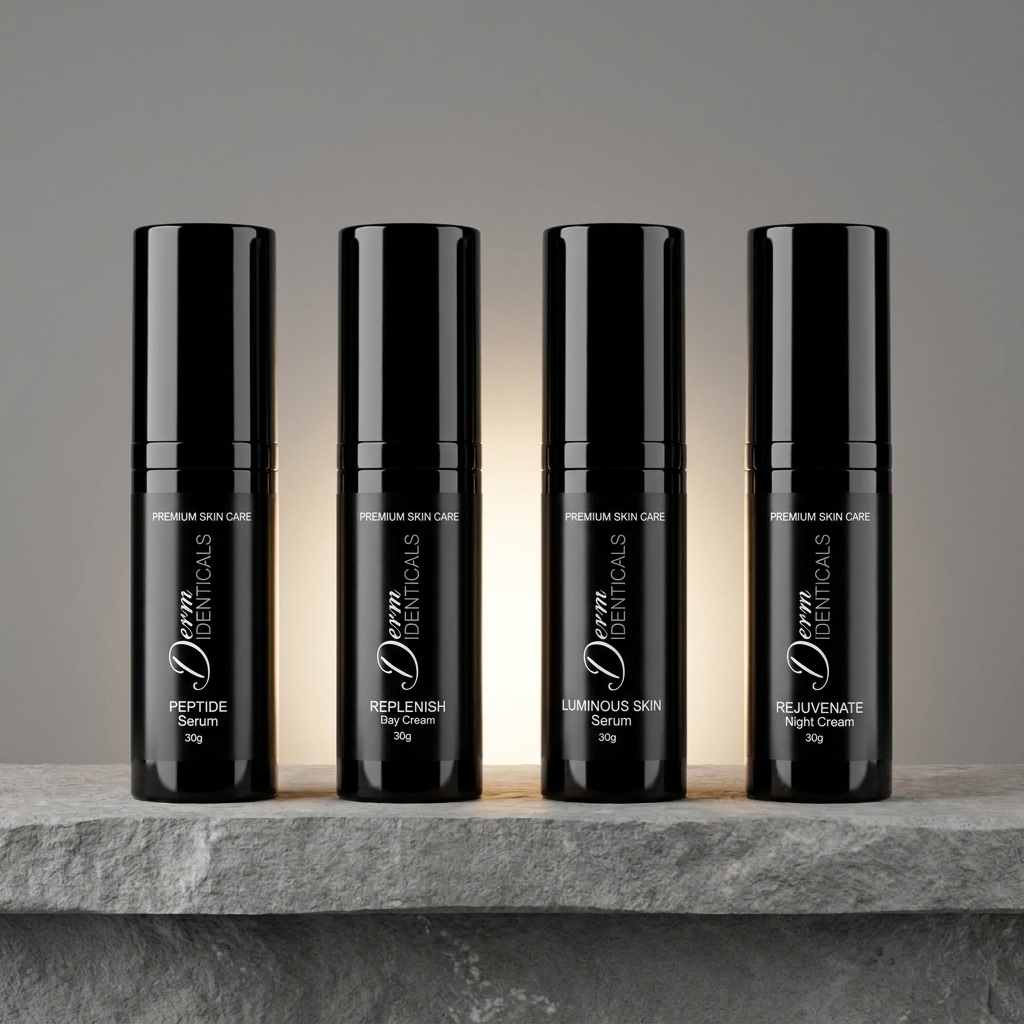
DermIdenticals approaches uneven tone through a restrained, ingredient-led philosophy: targeted brightening actives, fragrance-free formulations and barrier support designed to make long-term consistency more achievable. The most effective routine is the one that respects your skin’s response, protects it every day and gives improvement the time it requires.