Pigmentation that lingers after a breakout, a complexion that looks flat by afternoon, and sensitivity that appears when you add one more active can make ingredient selection feel unnecessarily complicated. Vitamin C versus niacinamide is often framed as a contest, but these ingredients perform different jobs within skin biology. For many people, the more useful question is not which one is best. It is which concern needs priority, and whether your skin barrier is ready for both.
Vitamin C is primarily an antioxidant and brightening active. Niacinamide is a form of vitamin B3 with broad barrier-support and tone-refining benefits. Both can support more even-looking, resilient skin, yet their ideal formats, tolerances and placement in a routine can differ considerably.
Vitamin C versus niacinamide: the essential difference
Vitamin C works most directly against oxidative stress. UV exposure, pollution and other environmental factors generate free radicals that can contribute to visible loss of firmness, uneven tone and premature signs of ageing. A well-formulated vitamin C serum helps neutralise some of this oxidative pressure while supporting the skin processes involved in collagen production. It is particularly valuable when brightness, dullness and sun-related pigmentation are central concerns.
Niacinamide has a broader regulatory role. It can support ceramide and fatty-acid production in the outer layers of the skin, helping improve barrier function and reduce transepidermal water loss. A better-supported barrier is often less prone to dehydration, tightness and visible reactivity. Niacinamide also helps moderate excess oil, refine the appearance of enlarged pores and address uneven tone through its effect on melanosome transfer, the process by which pigment is distributed through skin cells.
In practical terms, vitamin C is often selected for antioxidant protection and luminosity. Niacinamide is often selected for barrier resilience, oil balance, redness-prone skin and a more gradual approach to uneven tone. There is overlap, but the distinction matters when your routine needs to be both effective and tolerable.
When vitamin C may be the better starting point
If your principal concern is a lacklustre complexion, visible sun spots or early signs of photoageing, vitamin C is usually the more targeted first active. It is most commonly used in the morning because that is when its antioxidant properties complement daily broad-spectrum sunscreen. Sunscreen remains essential: no brightening routine can meaningfully compensate for ongoing UV exposure without it.
Not all vitamin C is formulated alike. L-ascorbic acid is the form with the most established research, but it is acidic and may sting on reactive, compromised or recently exfoliated skin. Its stability can also be challenging being highly unstable in water based products. Stabilised derivatives can offer a more comfortable non acidic option and are often better suited to sensitive skin or to people who prefer a lower-irritation, long-term routine so is the form we use in our products. We compared all the stabilised forms available and based on absorption, stability, skin feel and effectiveness found ethyl ascorbate and Tetraisopalmityl ascorbate to the be the best and the ones we use in our products.
The concentration on the label is only part of the picture. Formula pH, packaging, oxidation stability and the full ingredient system affect whether vitamin C remains effective and pleasant to use. A serum that turns noticeably dark orange or brown may have oxidised and should not be relied upon for consistent performance.
Vitamin C may require a gradual introduction on sensitive skin if you are also using retinoids, AHAs, or a professional-strength exfoliating peel. Applying every high-performance active in the same morning routine is not a mark of commitment. It can be a fast route to irritation, especially when the skin barrier is already under strain.
When niacinamide may be the better starting point
Niacinamide is frequently the more adaptable choice for skin that feels dry, reactive, congested or inconsistent. Because it supports barrier function, it can be especially helpful after over-exfoliation, seasonal changes, travel, or a period of using stronger actives. It is also a sensible option for people managing both oiliness and dehydration, a combination that is often mistaken for oily skin alone.
For pigmentation, niacinamide does not act like an instant brightener. Its results tend to be cumulative and measured. That can make it valuable for people who want to address uneven tone without starting with a more acidic vitamin C formula. It can also sit comfortably alongside other carefully selected pigment-supporting ingredients, provided the total routine does not become overloaded.
Higher percentages are not automatically better. While many people tolerate niacinamide well, some experience transient flushing, warmth or breakouts with very high concentrations or overly complex formulas. A moderate concentration in a fragrance-free, barrier-conscious formula is often the more sensible place to begin, particularly for sensitive skin.
Can you use vitamin C and niacinamide together?
Yes. The old belief that vitamin C and niacinamide should never be combined came from early laboratory conditions that do not reflect modern cosmetic formulation with non acidic derivatives or normal skincare use. Contemporary, properly formulated products can contain both ingredients, and many routines use them together without issue.
That said, compatibility on paper is not the same as tolerance on your face. A person with resilient skin may use a stabilised vitamin C serum followed by a niacinamide moisturiser in the morning. Someone with rosacea-prone, sensitised or eczema-prone skin may be better served by introducing one product at a time and monitoring for several weeks before adding another active.
How to choose based on your primary concern
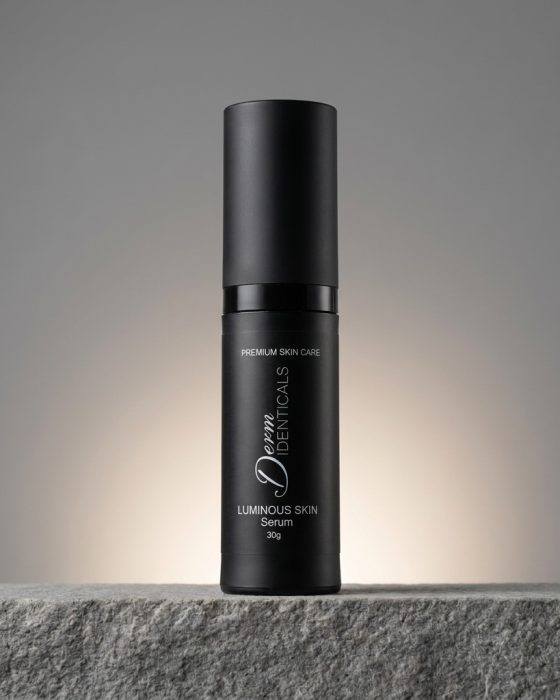
For dullness, visible sun damage and a preventative approach to ageing, prioritise vitamin C. Choose a stabilised, well-packaged formula like our C Serum and apply it consistently beneath a moisturiser and sunscreen. If your skin is sensitive, begin two to three mornings per week rather than assuming daily use is necessary from day one.
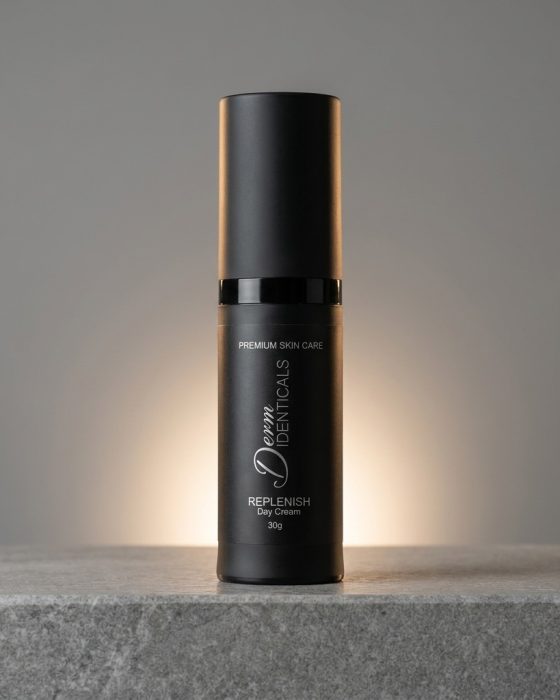
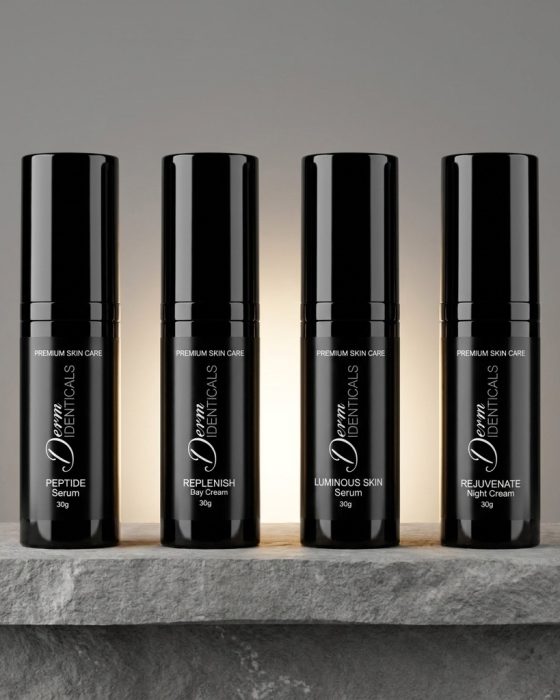
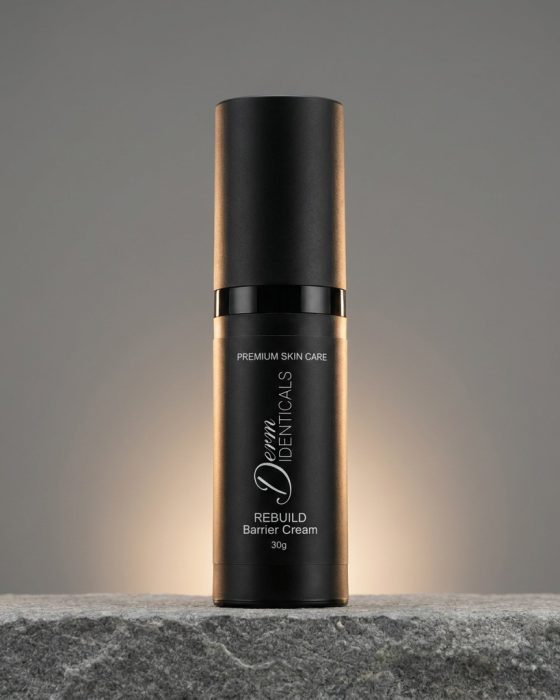
For dehydration, compromised barrier function, oil imbalance, visible redness or post-breakout unevenness, start with a niacinamide serum paired with humectants such as hyaluronic acid. Follow with a moisturiser with barrier lipids such as ceramides and fatty acids (Replenish Day Cream or Rebuild Barrier Cream) , then allow the skin to settle before considering stronger correction-focused actives.
For established pigmentation, both may have a place. Vitamin C provides antioxidant support and helps promote a brighter overall appearance, while niacinamide can support a more even distribution of pigment over time which are combined with other actives in our Restore Brightening Cream. Results will still depend on consistent sun protection, as UV and visible light can perpetuate pigmentation even when treatment products are well chosen.
For active acne, a niacinamide serum is often the more straightforward first choice because of its barrier and oil-regulating benefits. Vitamin C can be useful once inflammation is controlled, particularly for lingering marks, but an acidic formula may be uncomfortable on inflamed lesions.
Build a routine your skin can sustain
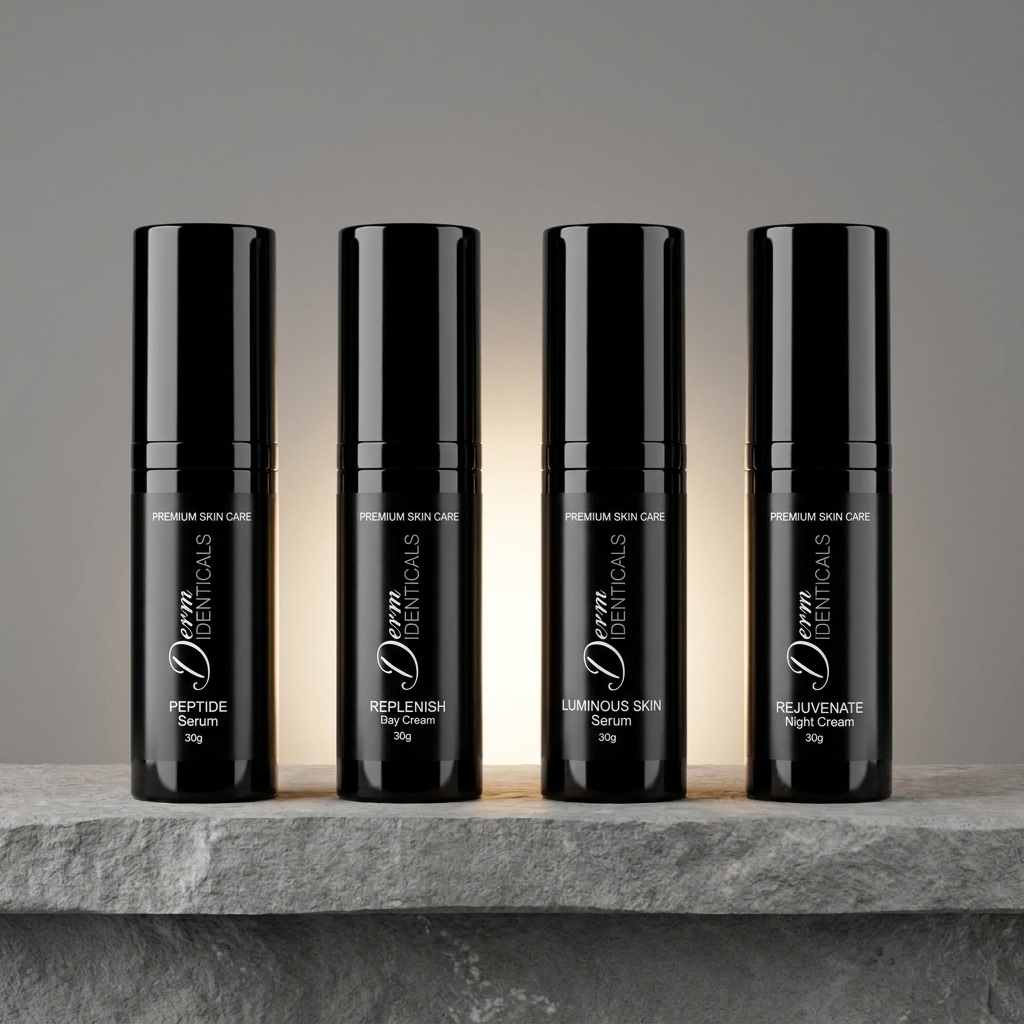
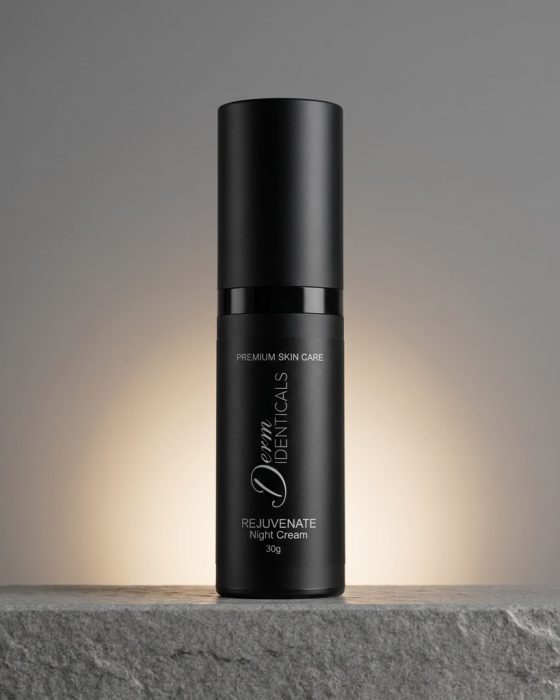
A structured routine does not need to be extensive. In the morning, a gentle cleanse or rinse can be followed by vitamin C or niacinamide serum, a suitable moisturiser (Replenish Day Cream or Rebuild Barrier Cream), and broad-spectrum SPF. At night, cleanse thoroughly, use your chosen treatment if appropriate, and finish with a barrier-supportive retinoid based moisturiser like our Rejuvenate Night Cream.
If you use a retinoid, introduce vitamin C and niacinamide conservatively. Niacinamide is often easier to pair with retinoid use because it supports comfort and barrier function. Vitamin C can still be used, but separating it into the morning is usually the simplest approach. Avoid adding a new acid, retinoid, vitamin C serum and high-strength niacinamide product in the same week. When a reaction occurs, you need to know what caused it.
DermIdenticals approaches active skincare through this principle of purposeful formulation: effective ingredients should support the skin’s long-term function, not compete with one another in an unnecessarily aggressive routine. Fragrance-free, reduced-ingredient formulations can be especially valuable when sensitivity is part of the picture.
Signs to slow down
Mild, brief tingling can occur with acidic vitamin C, but persistent burning, itching, swelling, redness or new roughness are signs to stop and reassess. Do not attempt to push through barrier damage in pursuit of faster results. Return to a gentle cleanser, a simple moisturiser with barrier-supporting lipids and daily sunscreen until comfort is restored.
Patch testing is worthwhile, particularly if you have a history of sensitivity. Apply a small amount to a discreet area for several days before applying it across the face. If you have persistent redness, dermatitis, melasma or difficult-to-manage pigmentation, personalised advice from a dermatologist or qualified skin professional is appropriate.
The strongest routine is rarely the one with the most actives. Choose vitamin C when environmental stress, dullness and photoageing are the priority. Choose niacinamide when the barrier needs support and the skin needs steadier behaviour. Use both when your skin tolerates them and each product has a clear purpose. Consistency, patience and a calm barrier will carry the results further than intensity ever will.