Skin that feels tight by lunchtime, looks less luminous than usual, or suddenly shows fine dehydration lines is not necessarily dry skin. Often, it is thirsty skin. Hyaluronic acid for dehydrated skin can be a highly effective part of the solution, but its performance depends on the formula, the rest of your routine and, crucially, whether you seal hydration into the skin.
Dehydration is a water deficit in the upper layers of the skin. It can affect oily, combination, normal and dry skin alike, and it may fluctuate with air conditioning, seasonal weather, travel, over-cleansing, exfoliation or a compromised skin barrier. The goal is not simply to apply more product. It is to support a more stable water environment within the stratum corneum while reducing unnecessary irritation.
What hyaluronic acid does for dehydrated skin
Hyaluronic acid is a humectant, meaning it attracts and holds water. It occurs naturally in the body, including the skin, where it contributes to hydration, suppleness and a comfortable skin feel. In topical skincare, sodium hyaluronate and hyaluronic acid are used to improve hydration at the skin’s surface and support the appearance of smoother, more cushioned skin.
A useful way to think about a humectant is as a water-binding component, not a complete moisturiser. It helps draw water towards the outer skin layers, but it does not replace the lipids that reduce transepidermal water loss. This is why a hyaluronic serum can feel beautifully hydrating at first yet leave skin feeling tight later if it is used alone, particularly in dry indoor conditions or on a weakened barrier.
For dehydrated skin, the most reliable approach pairs water-binding ingredients with barrier-supportive emollients and occlusives. Ceramides, fatty acids, cholesterol, squalane and appropriately chosen nourishing oils can help reduce water loss after hyaluronic acid has increased skin hydration. The result should be comfort that lasts beyond the first few minutes after application.
Molecular weight matters
Hyaluronic acid is available in different molecular sizes. Larger molecular-weight forms generally sit closer to the surface and can create an immediate hydrated, smoothing effect. Lower molecular-weight forms are designed to interact more readily with the upper layers of the epidermis. Multi-molecular-weight formulas may offer a more comprehensive hydration profile by combining these effects.
A notable 2011 study using five different MWs (50–2,000 kDa) demonstrated significant improvements in skin hydration and elasticity after 60 days. Multi-weight formulas achieve superior TEWL reduction and longer-lasting effects than single-weight versions.
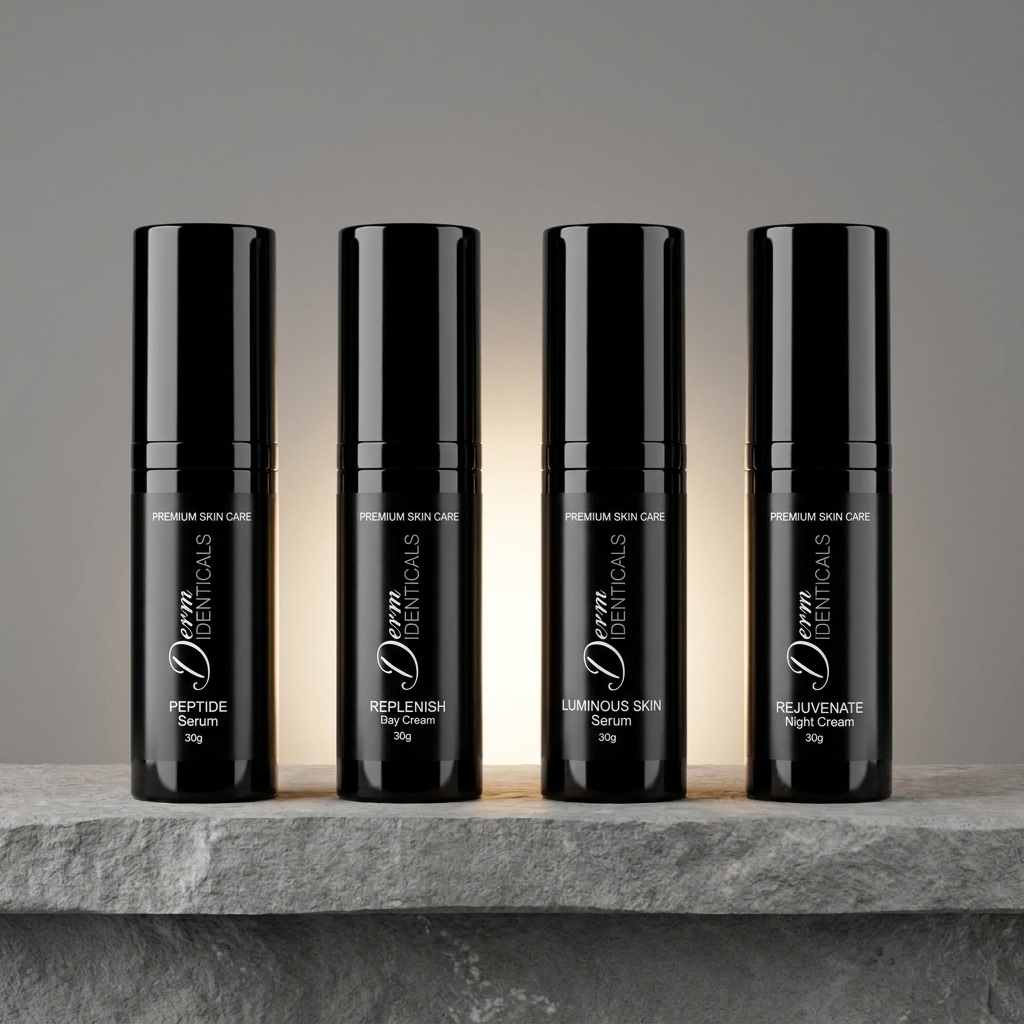
Here at Dermidenticals, if hyaluronic acid is on the label (as sodium Hyaluronate) which is in just about all our products bar the cleansers it will be a HA complex that contains high, medium, and low molecular weights of HA ranging from 20 – 1,800 kDa to deliver transformative results: deeper, longer-lasting hydration, a plumper appearance, improved barrier function, and visible anti-aging benefits. This science-backed strategy makes it a staple for hydrated, resilient skin across ages and types.
Dehydrated skin versus dry skin
Dry skin describes a lack of oil or lipids. Dehydrated skin describes a lack of water. The two often occur together, particularly as skin matures, but they require slightly different considerations.
Someone with oily yet dehydrated skin may notice surface shine alongside tightness, uneven texture or makeup that separates through the day. Adding rich oils without addressing water balance may feel too heavy. A lightweight hyaluronic acid serum beneath a barrier-supportive moisturiser is often a more suitable starting point.
Someone with dry and dehydrated skin may experience flaking, roughness and persistent tightness. In this case, hyaluronic acid can still be valuable, but it should sit within a richer routine that replenishes lipids and protects against water loss like any of our creams. Mature skin may also benefit from this layered approach, as age-related changes can reduce both natural moisturising factors and barrier lipids.
If the skin is itchy, stinging, visibly inflamed or persistently peeling, dehydration may be only one part of the picture. Eczema, contact dermatitis, rosacea and other skin concerns need a more cautious approach, and persistent symptoms warrant advice from a qualified health professional.
How to use hyaluronic acid without creating more tightness
Application technique matters because humectants work best when there is water available. Apply a hyaluronic acid serum to clean skin that is still slightly damp, not dripping wet. The best time is after a gentle cleanse in the morning and/or at night.
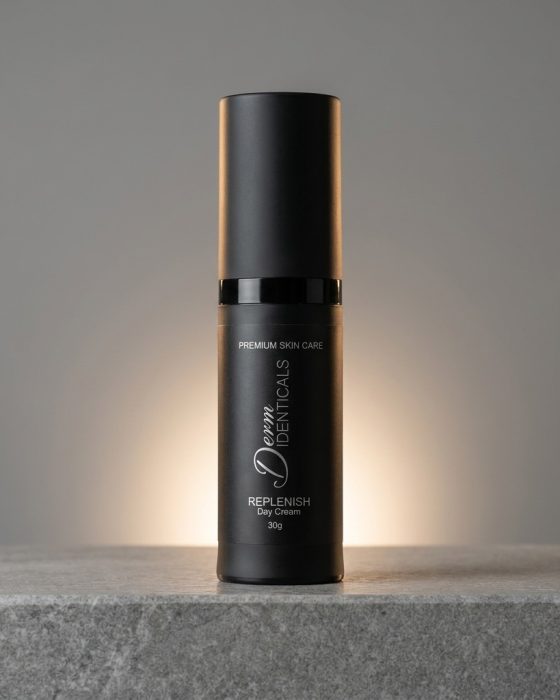
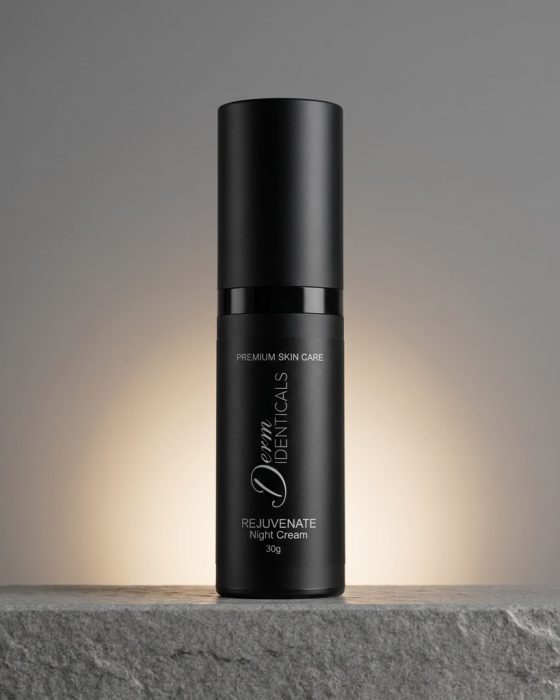
Follow promptly with a moisturiser, all creams in our range are suitable options. This is the step that many dehydrated routines miss. A moisturiser with biomimetic barrier lipids can help retain the water attracted by hyaluronic acid, while emollients improve softness and reduce the rough, papery feel associated with dehydration. During cold weather, long-haul flights or periods of intensive air conditioning, a more protective cream may be preferable to a light gel moisturiser.
In the morning, finish with broad-spectrum SPF sunscreen. UV exposure can impair barrier function and contribute to dryness, inflammation and visible signs of ageing, making hydration harder to maintain. At night, use hyaluronic acid before a barrier cream or treatment moisturiser. If you use retinoids, AHAs or BHAs, build hydration around them rather than layering every active into one routine.
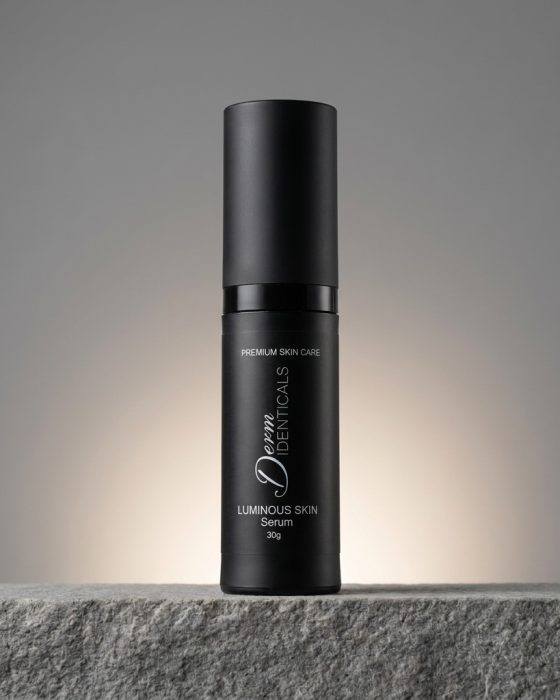
A sensible order is cleanse, hydrating serum which can be a targeted serum for particular issue like a peptide serum for lines and wrinkles, moisturiser, then sunscreen in the morning. The exact order can vary by texture and product instructions, but the principle remains the same: add water-binding support, then help hold it in.
When more hyaluronic acid is not the answer
If your skin remains dehydrated despite regular hyaluronic acid use, assess the routine around it. Foaming cleansers that leave skin squeaky, frequent exfoliation, very hot showers and repeated use of strong active treatments can all undermine hydration. A product does not need to sting to be too much for your skin when used too often.
Australian conditions can also complicate the picture. High UV exposure, wind, air conditioning and dry indoor heating can all increase the demand on the barrier. In humid conditions, a lighter hyaluronic serum and moisturiser may be enough. In a dry climate, or during winter, the same serum usually needs a more substantial cream over the top.
It is also worth considering whether a formula contains common sensitivity triggers for you personally. Fragrance, essential oils and an unnecessarily complex active blend can be problematic when the barrier is already stressed. A reduced-ingredient, fragrance-free approach allows the skin to focus on recovery rather than managing avoidable irritants.
Pairing hyaluronic acid with active skincare
Hyaluronic acid is generally compatible with vitamin C, niacinamide, peptides, retinoids and exfoliating acids. Its role is supportive: it can improve comfort in routines designed for brightness, pigmentation, texture or age-related changes. Compatibility does not mean every combination suits every person, however.
If you are new to retinoids or chemical exfoliants, introduce one active at a time and use it less frequently at first. Keep the rest of the routine calm and barrier-focused. Hyaluronic acid can be used on the same evening, but it will not cancel out irritation caused by using a potent treatment too frequently. Redness, burning and prolonged flaking are signals to simplify, not to add more actives.
Choosing a serum for a dehydrated complexion
A well-designed hydrating HA serum should feel comfortable, layer cleanly beneath moisturiser and sunscreen, and fit your skin type. If a serum causes stinging, it is not the right hydration step for your routine regardless of its ingredient credentials.
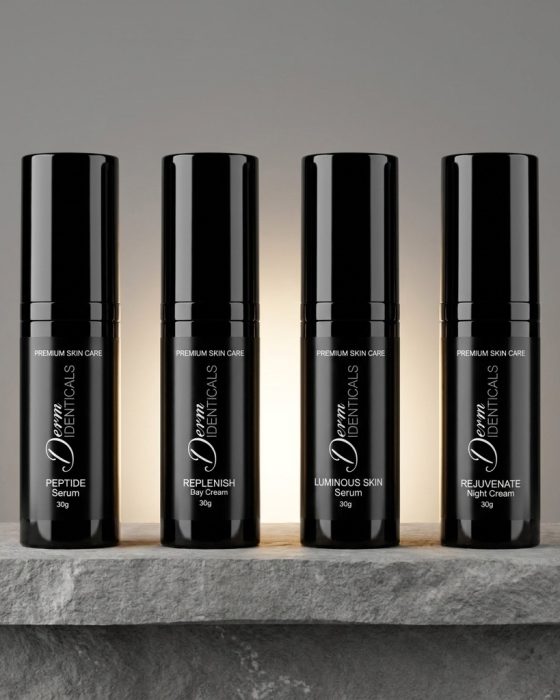
If you have lines and wrinkles we recommend our Peptide Serum. If your skin is irritated and inflamed then our Relief serum would be our choice. Our C Serum for all over skin health, Vitamnin B serum for pigmentation and enlarged pores, and finally our Restore Serum if your targeting pigmentation.
Follow the serum with a lipid rich yet non greasy moisturising cream which can be the difference between temporary surface hydration and sustained comfort.
The best hydrating routine is one your skin can tolerate every day. Apply hyaluronic acid to slightly damp skin, seal it with an appropriate moisturiser, protect your barrier from unnecessary stress and give the routine time to work. Comfortable, resilient skin is built through consistency, not by chasing the highest possible concentration of one ingredient.