Methylene blue in skincare has drawn attention as a research-backed antioxidant ingredient that supports cellular energy processes and helps maintain the appearance of healthier-looking skin.
Originally synthesized in the 19th century and long used as a dye and laboratory reagent, methylene blue is now appearing in select cosmetic formulations. Interest stems primarily from laboratory studies on human skin cells and reconstructed 3D skin models which have translated into real world observation in test subjects.
What Makes Methylene Blue Distinctive in Cosmetic Science
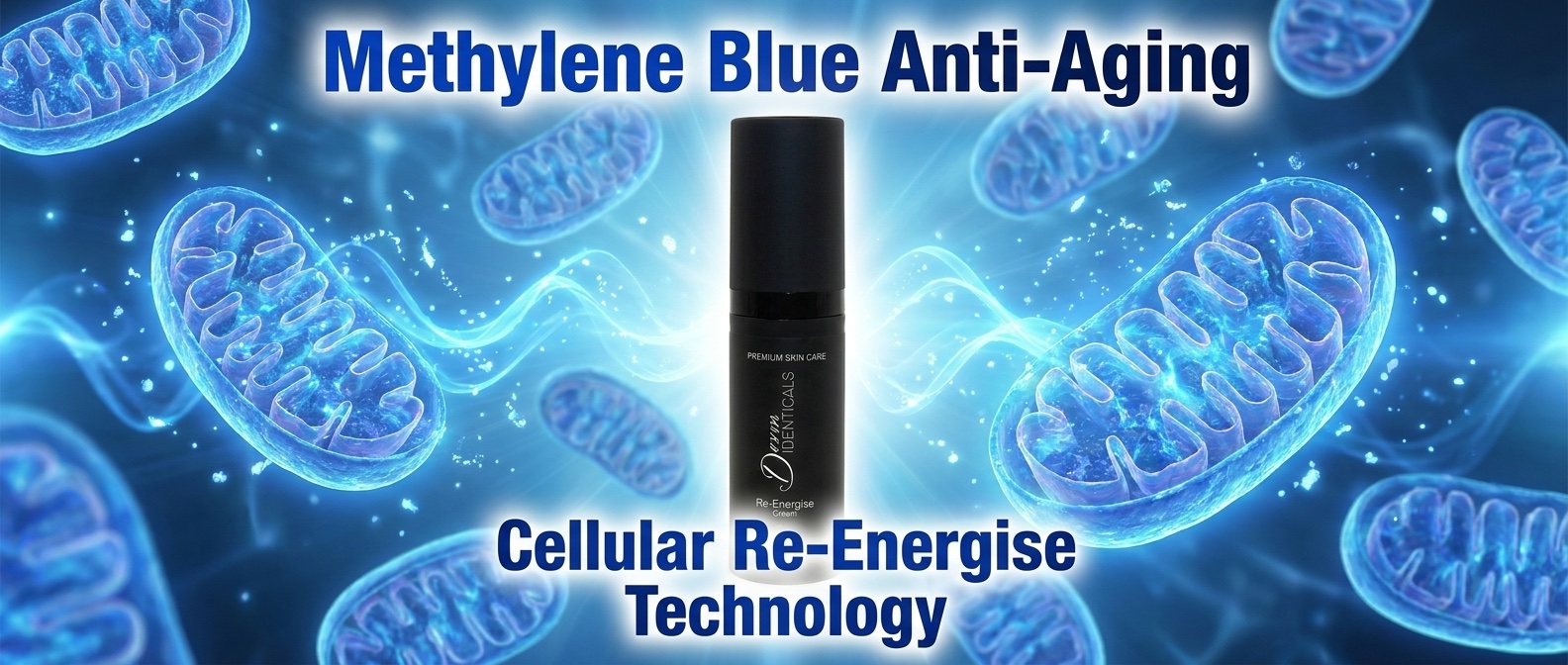
Methylene blue functions as a redox-active compound that can cycle between oxidized and reduced forms. In cell culture research, this property allows it to interact with mitochondrial processes and act as a potent scavenger of reactive oxygen species (ROS). ROS contribute to oxidative stress that is associated with visible signs of skin aging.
In comparative laboratory tests, low concentrations of methylene blue reduced mitochondrial ROS levels in human dermal fibroblasts more effectively than several other antioxidants, including N-acetylcysteine (NAC), MitoQ, and mitoTEMPO. It also supported higher rates of fibroblast proliferation and delayed certain markers of cellular senescence in the tested models.
Observed Effects in Laboratory Skin Models
Key findings from peer-reviewed research (primarily a 2017 Scientific Reports study and related work) on cultured fibroblasts and reconstructed human skin models include:
-
Support for extracellular matrix components: Gene expression analysis showed upregulation of elastin and collagen 2A1 (COL2A1), proteins important for the structural appearance of skin.
-
Dermis thickness and hydration markers: Application to 3D reconstructed skin models was associated with increased measured dermis thickness and higher skin hydration levels at concentrations around 0.5 μM.
-
Viability and proliferation support: Fibroblasts treated with methylene blue showed improved proliferation and reduced expression of certain senescence-associated markers compared with controls.
-
UV interaction observations: Separate laboratory work indicated that methylene blue can absorb certain UV wavelengths and was associated with lower markers of UVB-related DNA damage and UVA-induced ROS in cell models, while showing better compatibility with a tested coral species than some conventional UV filters under the study conditions.
Although these results come from controlled in vitro and ex vivo systems and we cannot automatically translate to the same measurable changes (such as reduced appearance of fine lines or improved firmness) on living human skin from everyday cosmetic use we have observed some very impressive results in our test subjects that would appear to be more significant than those observed with gold standard ingredients like Retinol and thus our excitement and expectation that methylene blue will be the next retinol in skin care when it becomes more widely known in the industry.
Practical Considerations for Cosmetic Use
In formulated skincare products, methylene blue is typically included at low concentrations. Higher levels can produce temporary blue staining, which is why cosmetic formulas generally stay below staining thresholds.
Methylene blue’s antioxidant profile differs mechanistically from more familiar ingredients such as vitamin C or retinol. Some comparative cell studies found it supported fibroblast proliferation more effectively than those actives under the tested conditions, but each ingredient has its own strengths and formulation considerations.
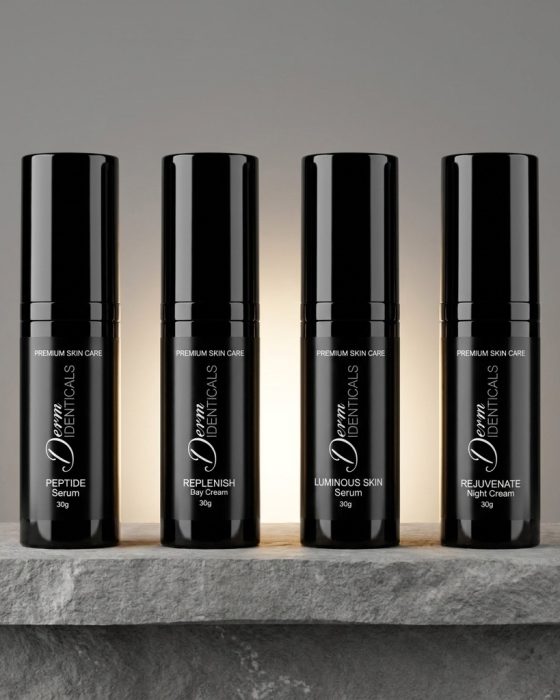
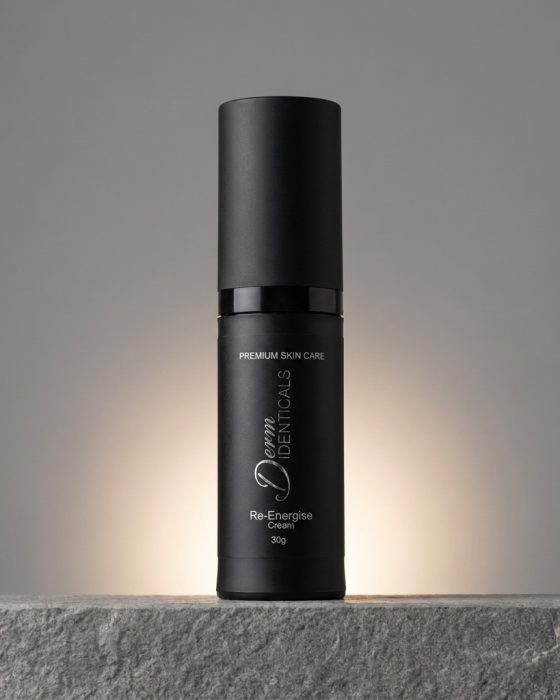
In our Reenergise Cream we have combined methylene blue with complementary key ingredients that address cellular energy such as liposomal CoQ10, Adenosine and Resveratrol along side others like Vitamins B3, Stabilised Vitamin C and cosmetic peptides. We have also included humectants, emollients, or other antioxidants to create stable, elegant products. Although our testing has found it to be non irritating on sensitive skin as with any new active, patch testing is advisable, for individuals with skin sensitivities.
Why Interest Continues to Grow
Consumers are increasingly focused on ingredients that address cellular energy and oxidative balance rather than only surface-level effects. Methylene blue’s long history of studied redox behaviour, combined with the specific observations in skin cell and tissue models, positions it as an intriguing option for antioxidant-focused skincare routines aimed at supporting a more resilient, hydrated, and youthful-looking appearance over time.
Research is ongoing, and future human studies will clarify how these laboratory findings translate into everyday cosmetic benefits. For now, methylene blue represents a scientifically interesting addition to the toolkit of modern skincare ingredients centered on mitochondrial support and ROS management.h