Skin that feels tight again shortly after moisturising is not always asking for more water. Often, it is signalling that the protective lipids between its surface cells are depleted or disorganised. A well-formulated cream containing ceramides for dry skin is designed to address this structural problem, helping the skin retain the moisture it already has while becoming less reactive to daily stressors.
Dryness can show up as fine flaking around the nose, rough patches on the cheeks, makeup that catches on texture, or persistent discomfort after cleansing. In Australia, air conditioning, heating, sun exposure, low humidity and active skincare can all contribute. The right cream will not change the climate, but it can support the skin barrier so these exposures have less impact.
Dry skin is often a barrier issue
The outermost layer of skin, the stratum corneum, is frequently described as a brick-and-mortar structure. Skin cells are the bricks; the mortar is a carefully arranged lipid matrix made largely of ceramides, cholesterol and free fatty acids. This matrix limits transepidermal water loss, the natural process in which water escapes from the skin into the environment.
When this lipid structure is compromised, water evaporates more readily. The skin may then feel dry, sensitised or uncomfortable, even when it has been layered with hydrating ingredients. Hyaluronic acid, glycerin and similar humectants attract water to the surface, but they are most effective when the barrier can hold that water in place.
Barrier disruption is not reserved for naturally dry skin. It can follow over-exfoliation, strong retinoid use, harsh cleansing, seasonal change, stress, ageing or an inflammatory skin condition. Oily and combination skin can also be dehydrated and barrier-impaired, particularly when stripped by aggressive products.
How ceramide cream for dry skin works
Ceramides are naturally occurring lipids in the skin. They are not simply a moisturising extra. They are a core component of barrier function, helping to form the lamellar layers that regulate water movement and protect against external irritants.
Topical ceramides can supplement this lipid environment. Their role is to help reinforce the skin’s surface architecture, reducing the tendency towards moisture loss and supporting a smoother, more resilient feel over time. Results are usually gradual rather than dramatic overnight, particularly if dryness has developed alongside ongoing irritation.
Ceramides work best in a complete lipid system
Ceramides are valuable, but a formula should not be judged by the word ceramide on its ingredient list alone. Barrier lipids operate as a system. Formulations that pair a range of ceramides with cholesterol and fatty acids are often described as biomimetic because they aim to reflect the skin’s own lipid composition.
The ratio and delivery of these ingredients matter. A cream that is technically rich in lipids but unpleasantly heavy, unstable or irritating will not be useful if it discourages regular use. Equally, a lightweight lotion may be appropriate for combination skin in humid conditions but insufficient for mature skin experiencing persistent dryness.
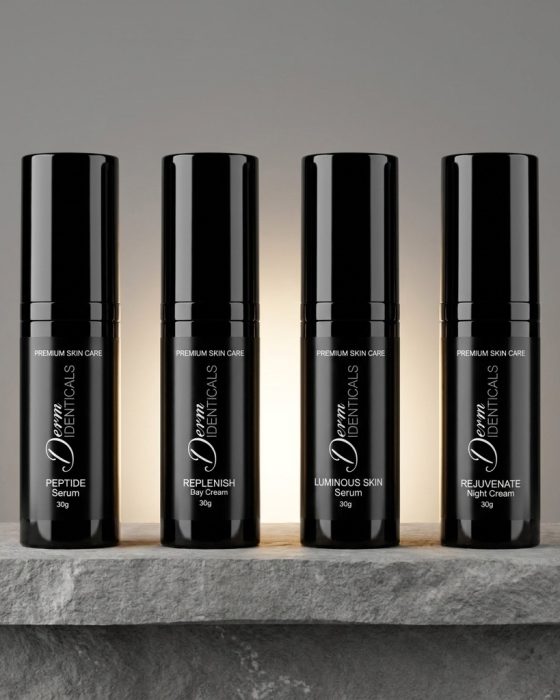
A thoughtful formula may also include humectants to attract water, emollients to soften rough texture and occlusive ingredients to slow evaporation. This layered approach is why one product can feel more effective than a basic moisturiser and the philosophy we use in our cream formulations.
Barrier support can improve comfort and tolerance
As barrier function improves, many people notice that their skin feels less tight after washing and reacts less readily to environmental shifts or skincare actives. This does not mean a ceramide cream is a treatment for every skin concern. It cannot replace medical management of eczema, rosacea or contact dermatitis, and it will not resolve irritation caused by an unsuitable active ingredient.
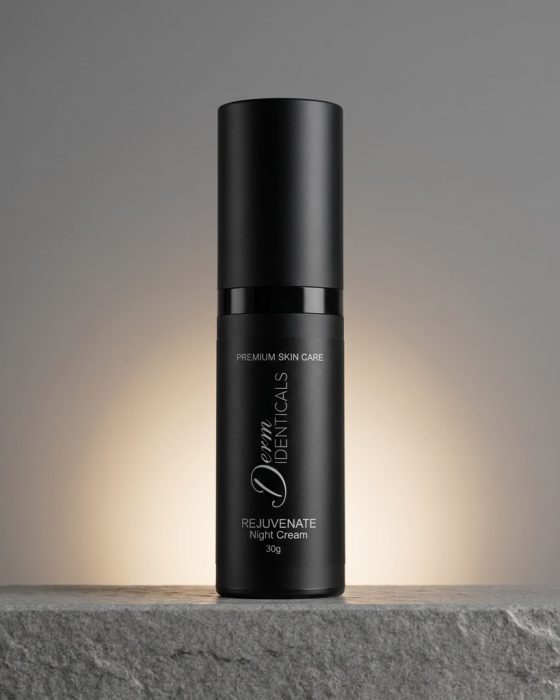
It can, however, create a more stable foundation for a routine. For people introducing retinoids, exfoliating acids or brightening ingredients, barrier-focused moisturising is often the difference between a sustainable routine and one that becomes overly aggressive hence why we add our ceramide complex to our Revitalise Exfoliating Peel and Rejuvenate (retinoid) Night cream.
What to look for in a ceramide moisturiser
Start with a formulation that contains a combination of ceramides. The ceramide complex we use contains 5 ceramides which include: Ceramide EOP, Ceramide NG, Ceramide NP, Ceramide AG, Ceramide AP as well as Cholesterol. Clinical studies show that ceramide-cholesterol-fatty acid combinations outperform single lipids in restoring barrier function, reducing dryness, and alleviating symptoms of barrier-disrupted skin. These ingredients are generally non-irritating and suitable for all skin types, including sensitive and eczema-prone.
If your skin is prone to stinging, redness or congestion, a reduced ingredient load can be an advantage. Fragrance, essential oils and unnecessary botanical extracts may add sensory appeal, but they can be unhelpful in a routine designed to calm a compromised barrier.
Look for ceramides within a formula that also contains complementary barrier lipids, as well as proven water-binding ingredients such as glycerin or hyaluronic acid. Niacinamide can be a useful addition for many skin types because it supports barrier function and can assist with uneven tone, though very reactive skin may prefer to introduce it slowly.
Packaging is another quiet indicator of product care. Airless pumps and opaque packaging can help protect sensitive ingredients from repeated exposure to air and light. For advanced cosmeceutical routines, this attention to stability matters as much as an impressive ingredient list.
How to use ceramide cream in your routine
Apply your ceramide cream after water-based serums and before sunscreen in the morning. At night, use it as the final moisturising step after treatment products. Applying it to slightly damp skin can be helpful because it gives humectants water to bind, while the cream’s lipid and occlusive components help reduce evaporation.
For very dry skin, a simple routine is often the most effective place to begin: a gentle cleanser, hydrating serum if desired, ceramide cream and broad-spectrum sunscreen in the morning. At night, use the same supportive base around your chosen treatment product. This is particularly useful when starting a retinoid or AHA, as it allows you to observe how your skin responds without adding multiple new variables.e
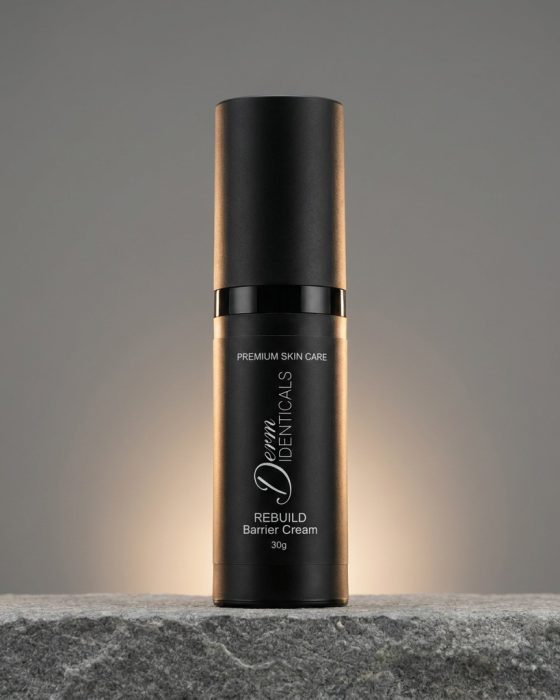
If an active product causes burning, prolonged redness or peeling, do not attempt to solve the problem by applying more layers of moisturiser on top. Pause the active, return to a basic barrier-support routine like our Rebuild Barrier Cream and reassess frequency. A ceramide moisturiser supports recovery, but it should not be used to push through ongoing irritation.
When dry skin needs a different approach
Not every dry-feeling complexion needs a heavier cream. Dehydration is a lack of water, while dryness is more closely linked to reduced oil and lipid content. They often occur together, but not always. Skin that feels tight yet becomes shiny by midday may benefit from humectants and a lighter barrier cream rather than a dense balm.
Persistent flaking around the eyebrows, sides of the nose or scalp may also have causes beyond simple dryness. Similarly, itching, cracking, weeping, sudden swelling or a rash requires professional advice rather than continued product experimentation. A GP, dermatologist or pharmacist can help identify whether an inflammatory condition, allergy or other trigger is involved.
Age is relevant too. As skin matures, natural lipid production and water retention can decline, while cumulative sun exposure may affect texture and resilience. A richer ceramide cream can be particularly valuable at this stage, but sunscreen, gentle cleansing and a measured approach to corrective actives remain essential.
A considered barrier-first approach
For sensitive and dry skin, more products rarely mean better results. DermIdenticals approaches barrier care through evidence-based, fragrance-free formulations that prioritise biomimetic lipids and minimise common sensitivity triggers. The aim is not to overwhelm skin with an unnecessarily complex routine, but to give it consistent support while targeted actives are used with care.
Choose a ceramide containing cream you can apply morning and night without discomfort, introduce new treatment products one at a time, and let your skin’s comfort guide the pace. A calm, well-supported barrier is not a compromise on results. It is what makes long-term results more achievable.
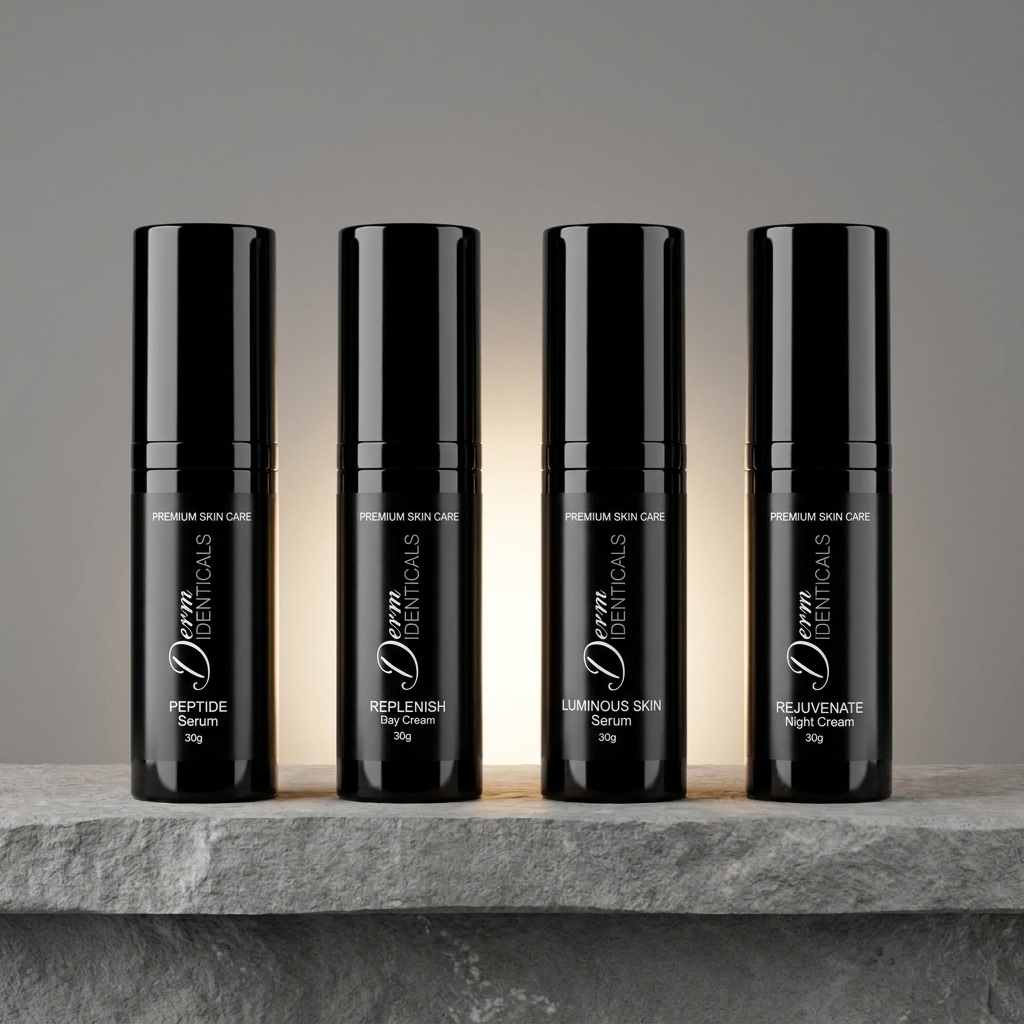
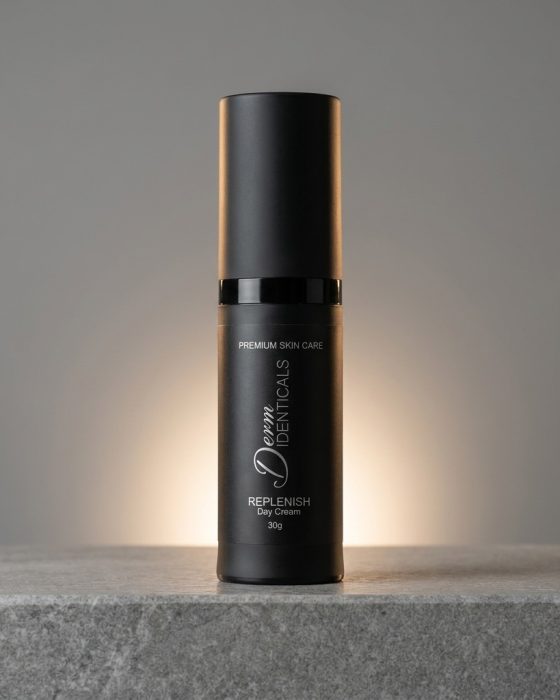
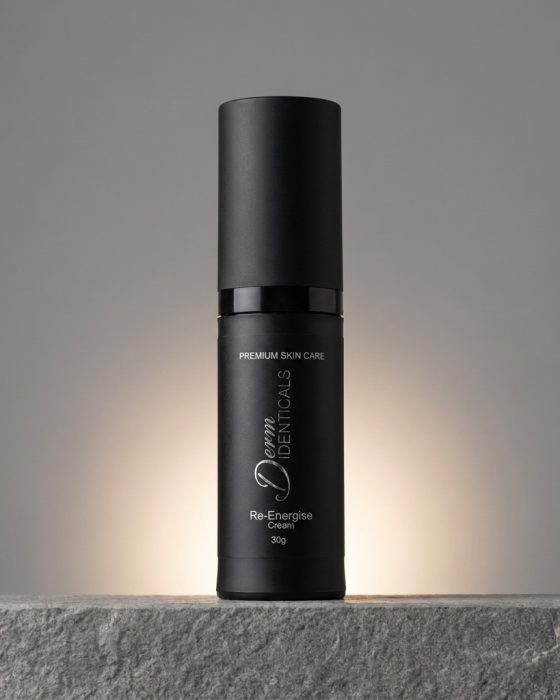
We use our 5 ceramide complex in our Replenish day cream, Rejuvenate Night Cream, Rebuild barrier Cream, Revitalise Peel and Relief Serum.