Reactive skin does not need a more complicated routine. It needs fewer opportunities to become inflamed. The best moisturisers for reactive skin support the skin barrier with well-chosen humectants, lipids and soothing ingredients, while avoiding fragrance and an unnecessarily long list of potential triggers.
A moisturiser can feel rich and still be wrong for reactive skin. Equally, a light gel can be too limited if the skin is dehydrated, dry or recovering from over-exfoliation. The right choice depends on what is driving the reactivity, how compromised the barrier is and what else is already in the routine.
Why reactive skin needs a different moisturiser
Reactive skin tends to respond quickly to changes in temperature, stress, UV exposure, cleansing, friction or active skincare. It may sting when water touches it, flush after applying products, or develop dry, tight patches despite producing oil. These reactions are not always a sign of a formal skin condition, but they do suggest that the barrier function needs attention.
The outermost layer of skin relies on a precise arrangement of corneocytes and intercellular lipids. Ceramides, cholesterol and fatty acids help form this protective matrix. When it is disrupted, water escapes more readily and irritants can penetrate more easily. This can create a cycle of dehydration, inflammation and further sensitivity.
A suitable moisturiser helps interrupt that cycle. It should draw water into the skin, reduce transepidermal water loss and replenish barrier-compatible lipids without creating unnecessary irritation. This is where formulation quality matters as much as the headline ingredient.
What to look for in the best moisturisers for reactive skin
Barrier-identical and biomimetic lipids
Ceramides are among the most useful ingredients for reactive skin because they are naturally present in the skin barrier. A moisturiser containing a multi-ceramide complex is particularly valuable when skin feels persistently tight, flaky or vulnerable after cleansing. Ceramides work best alongside cholesterol and fatty acids, as these components more closely reflect the skin’s own lipid structure.
This biomimetic approach is not about coating the skin with a heavy film. It is about supporting the architecture that allows skin to retain moisture and better tolerate everyday exposures. With regular use, barrier-supporting creams may also make it easier to reintroduce targeted actives gradually.
Humectants that hydrate without drama
Humectants attract and hold water in the upper layers of the skin. Glycerin remains one of the most reliable options, while multi-weight hyaluronic acid can hydrate at different levels of the epidermis and improve the feeling of surface comfort.
For reactive skin, hydration matters because dehydration can amplify stinging and make fine lines look more pronounced. However, a humectant-only gel may not be sufficient in dry climates, air conditioning or during winter. Pairing humectants with emollients and barrier lipids provides a more complete moisture strategy.
Niacinamide at an appropriate strength
Niacinamide can support barrier function, improve uneven tone and help regulate visible redness over time. It is a useful inclusion for many reactive skin types, especially when sensitivity coexists with pigmentation, congestion or early signs of ageing.
Concentration is relevant. Higher percentages are not automatically better, and some reactive skins find strong niacinamide formulas uncomfortable. A carefully formulated product with a moderate level of niacinamide may provide the benefits without creating the warmth or flushing that can occur in sensitised skin.
Soothing ingredients with a clear role
Panthenol, allantoin, beta-glucan and carefully selected cosmetic peptides can support comfort and recovery. These ingredients are most useful when they sit within a simple, fragrance-free formula rather than being surrounded by multiple botanical extracts, essential oils or strong exfoliating agents.
Plant-derived ingredients are not inherently unsuitable, but natural does not always mean low-reactivity. A skin that is already reactive may respond poorly to fragrant oils and complex blends, even if they are marketed as gentle.
Ingredients reactive skin often prefers to avoid
Sensitivity is individual, so there is no universal blacklist. Still, it is sensible to be cautious with known sources of irritation, particularly while the barrier is compromised. Fragrance, including essential oils, is a common issue because it can create sensitisation or provoke discomfort in already reactive skin.
Alcohol denat. can be useful in some cosmetic formats, but a high level may feel drying or sting on damaged skin. Strong acids, retinoids and high-percentage vitamin C formulas are not necessarily off limits forever, but they should not be introduced at the same time as a new moisturiser. Otherwise, it becomes difficult to identify what is causing a reaction.
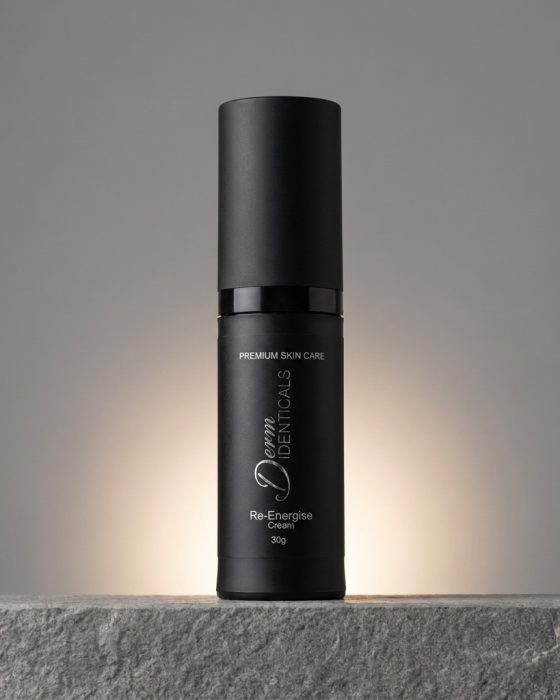
A reduced ingredient load can be beneficial here. It gives reactive skin fewer variables to contend with and makes a routine easier to assess. DermIdenticals applies this principle through fragrance-free CLEANICAL formulations designed to prioritise barrier support and recognised cosmetic actives without common sensitivity triggers such as parabens, sulphates, PEGs and propylene glycol.
How to introduce a moisturiser without provoking a flare
Even a thoughtfully formulated moisturiser deserves a gradual introduction when the skin is actively reactive. Patch test first by applying a small amount to the side of the neck or along the jawline for several days. This does not guarantee a product will suit the entire face, but it can identify an obvious problem before widespread use.
When introducing the product, use it morning or night rather than immediately twice daily. Keep the rest of the routine deliberately quiet for a week: a mild cleanser, the new moisturiser and broad-spectrum sunscreen in the morning. Pause scrubs, peels and extra serums if the skin is stinging or flushing.
If the moisturiser causes persistent burning, swelling, rash-like bumps or worsening redness, rinse it away and stop using it. A brief sensation can occur on very dry skin, but ongoing discomfort is not a sign that a product is working. If symptoms are severe, recurrent or accompanied by eczema, rosacea or dermatitis, seek personalised guidance from a dermatologist or qualified health professional.
A practical routine for restoring comfort
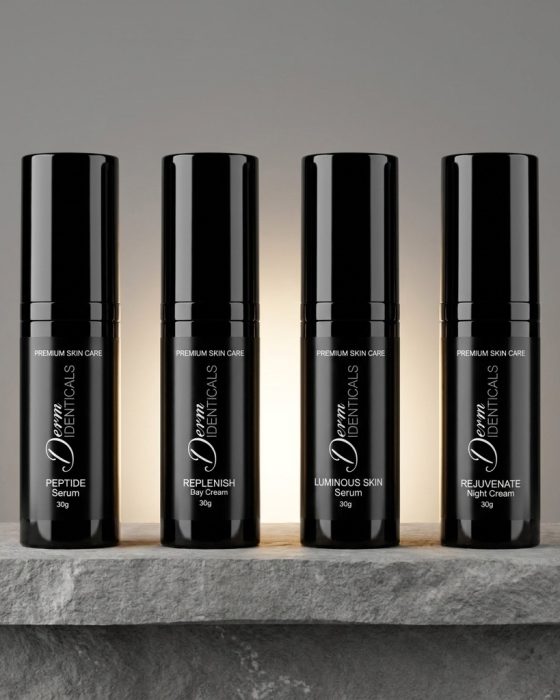
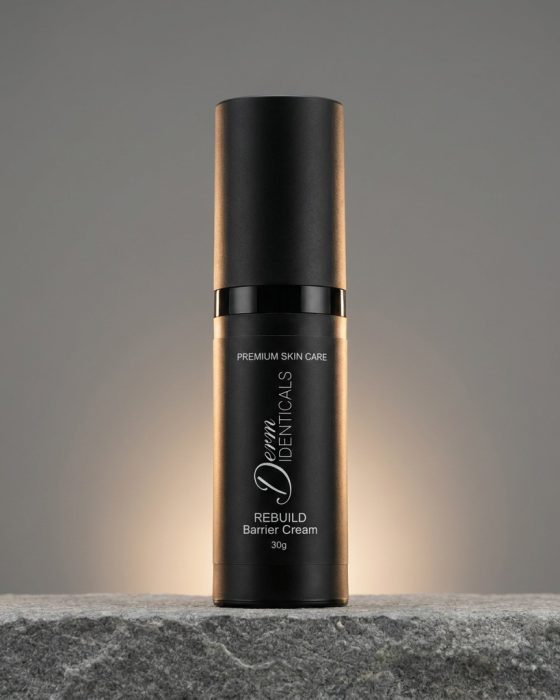
For most reactive skin, consistency is more valuable than a crowded bathroom shelf. Cleanse with lukewarm water and a non-stripping cleanser, then apply a barrier support moisturiser like our Rebuild Barrier Cream while the skin is slightly damp. If inflammation is present apply a calming serum before the moisturiser formulated with natural anti-inflammatories like our Relief Serum. In the morning, finish with a broad-spectrum sunscreen that is comfortable enough to wear every day.
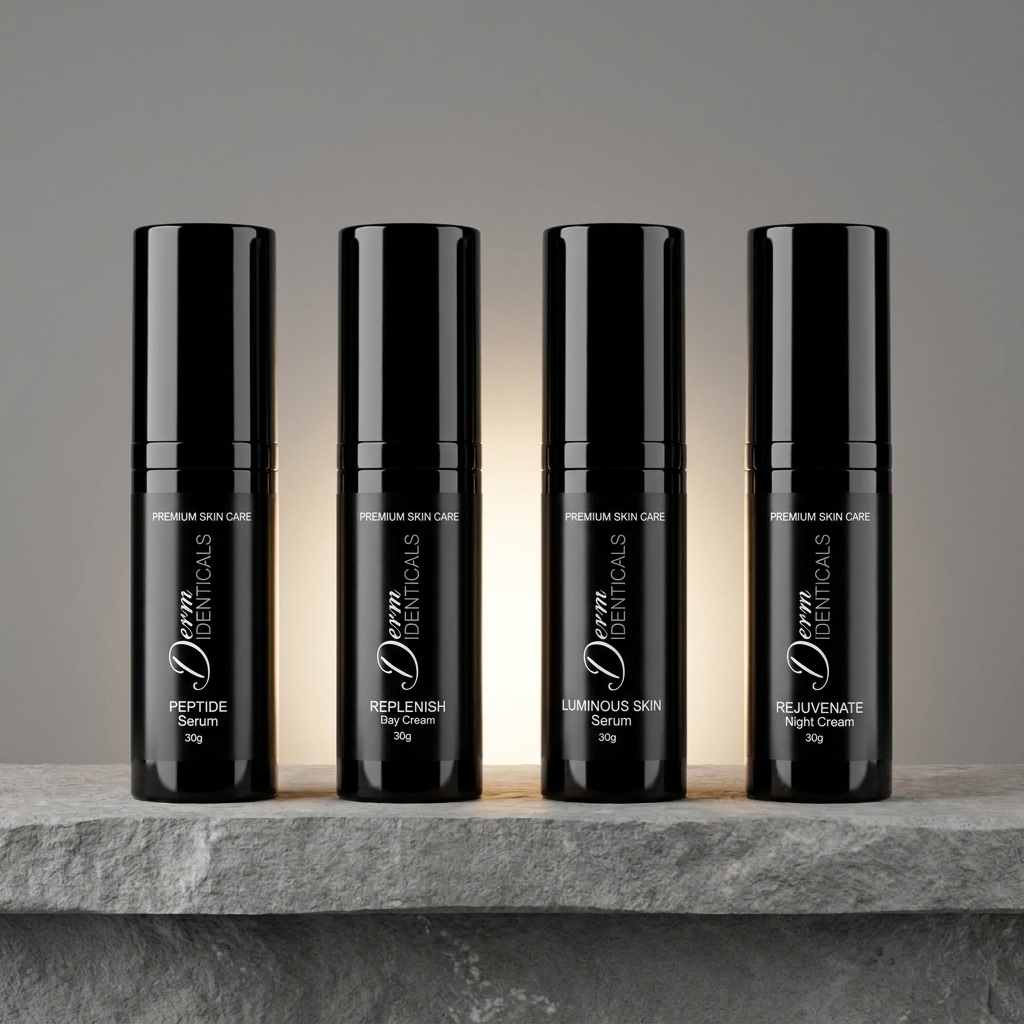
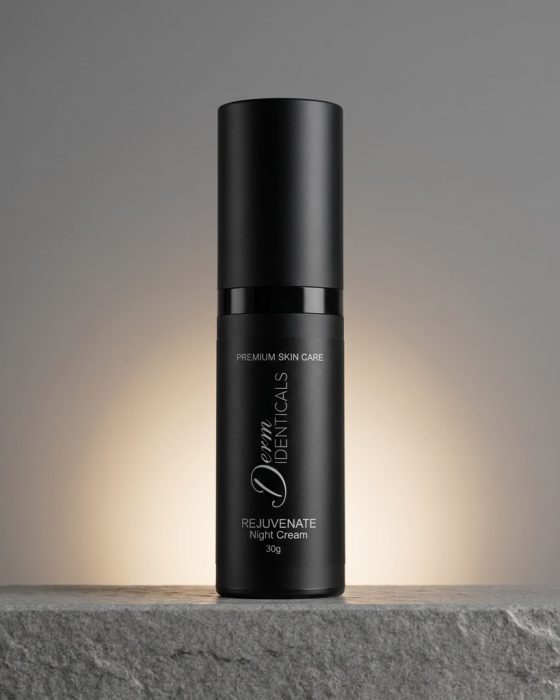
Once the barrier feels stable, add one treatment product at a time. For example those managing pigmentation or ageing concerns may eventually our Restore Brightening Serum or Peptide Serum in the morning or a gentle retinoid such as Hydroxypinacolone Retinoate (Rejuvenate Night Cream) at night, but both should be introduced slowly and supported by a barrier-focused moisturiser. There is no advantage in pushing through irritation.
The goal is not to find the richest cream or the product with the longest active-ingredient list. It is to choose a moisturiser that leaves skin comfortable, calm and consistently better able to tolerate the routine around it. When reactive skin is given that foundation, progress tends to be quieter, steadier and far more sustainable.