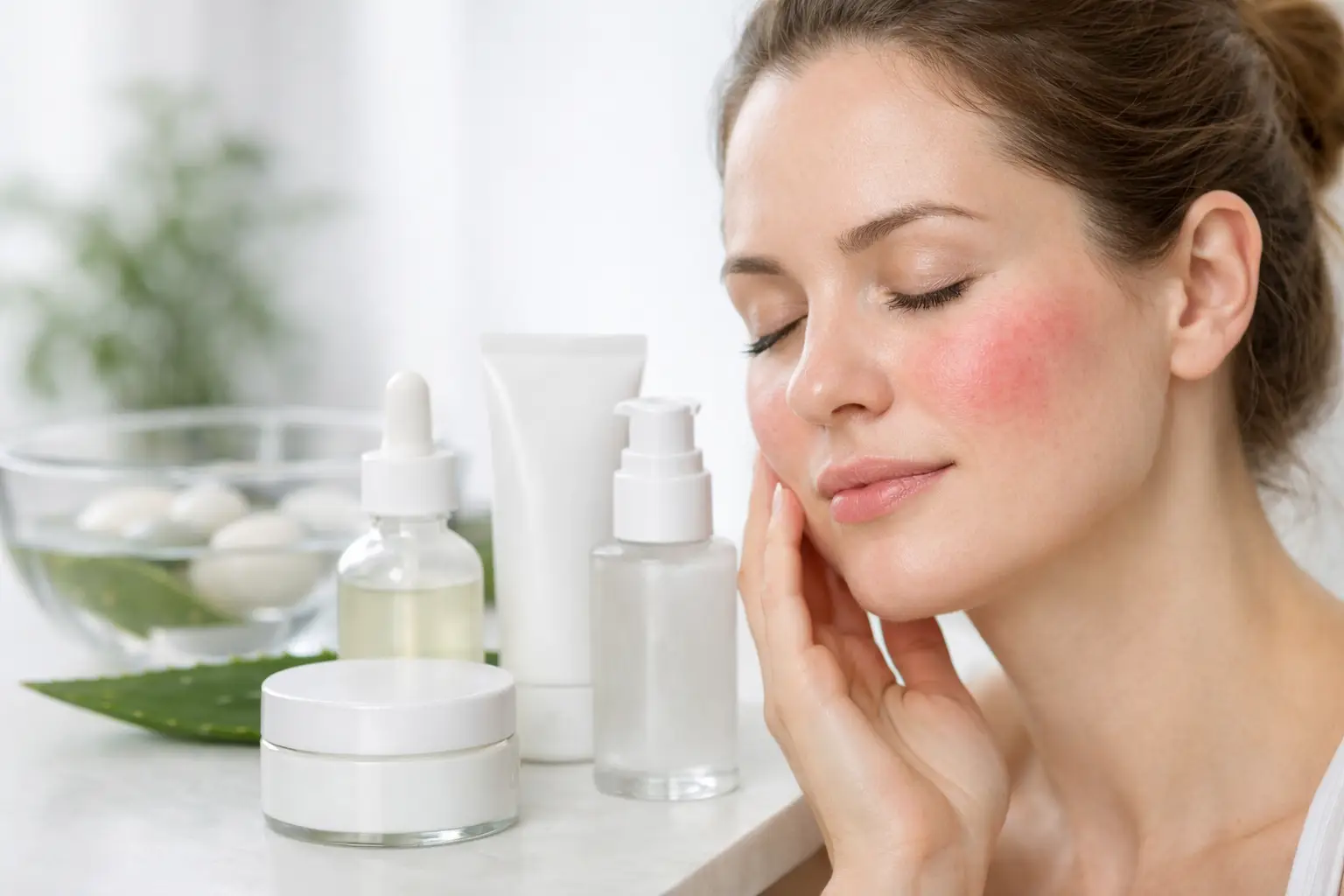
Redness rarely arrives without context. It may follow cleansing, appear around the nose and cheeks by mid-afternoon, or flare after introducing a new active serum. For skin that reacts this way, fragrance free skincare for redness is not simply a preference. It is a considered starting point for reducing unnecessary exposure while supporting the skin barrier.
Fragrance can make a product feel sensorial, but it does not improve barrier function, hydration or visible redness. When skin is already compromised, even a beautifully scented formula can become one more variable in a routine that is difficult to tolerate. A more disciplined approach focuses on what the skin needs to function well: appropriate cleansing, barrier lipids, water-binding ingredients and carefully selected treatment actives.
Why redness is not one skin concern
Redness is a visible sign, rather than a diagnosis. It can be linked to temporary irritation, dehydration, over-exfoliation, environmental exposure, sensitivity, inflammatory skin conditions or a weakened barrier. Heat, wind, UV exposure, alcohol, spicy food and stress can also make redness more noticeable, particularly in skin with a tendency to flush.
The skin barrier is central to this picture. Its outermost layer is often described as a brick-and-mortar structure, with corneocytes acting as the bricks and lipids such as ceramides, cholesterol and fatty acids helping form the mortar. When this structure is disrupted, water escapes more readily and potential irritants can penetrate more easily. Skin may then feel tight, sting when products are applied and look persistently flushed.
Thus the importance of treating the redness with a well formulated calming serum in conjunction with barrier repair cream full of ceramides, cholesterol, fatty acids and biomimetic lipids and avoiding too many active ingredients. The objective is to create the conditions for your skin to become more resilient.
What fragrance-free skincare for redness can do
A fragrance-free formula removes added parfum and aromatic essential oils intended to create scent. This matters because fragrance compounds are recognised causes of contact sensitivity for some people, especially those with reactive or compromised skin. Avoiding them can reduce one common and unnecessary source of irritation.
However, fragrance-free does not automatically mean suitable for every sensitive skin type. Some formulas may still contain a high level of acids, drying alcohols, potent botanical extracts or a long list of ingredients that do not suit your skin. Equally, a product can have a mild natural scent from its raw materials while containing no added fragrance. Reading beyond the claim on the front label remains worthwhile.
For redness-prone skin, formulation restraint is often an advantage. A deliberately reduced ingredient load gives the skin fewer potential triggers to contend with and makes a routine easier to assess. DermIdenticals approaches this through its CLEANICAL formulation philosophy: high-performance, biomimetic skincare with fragrance excluded and common sensitivity triggers deliberately avoided.
Look for barrier-supporting ingredients
The most useful ingredients are generally those that support hydration and the barrier without demanding too much from reactive skin. Ceramides help replenish essential skin lipids. Hyaluronic acid attracts and holds water within the upper layers of the skin, improving the look of dehydration-related tightness. Glycerin is another highly effective humectant that supports skin comfort.
Niacinamide can be valuable for redness-prone skin because it supports barrier function and may help improve uneven tone over time. The concentration matters. While many skins tolerate it well, very high levels can cause warmth or flushing in a small number of people. Starting with a moderate, well-formulated product is usually the more sensible path.
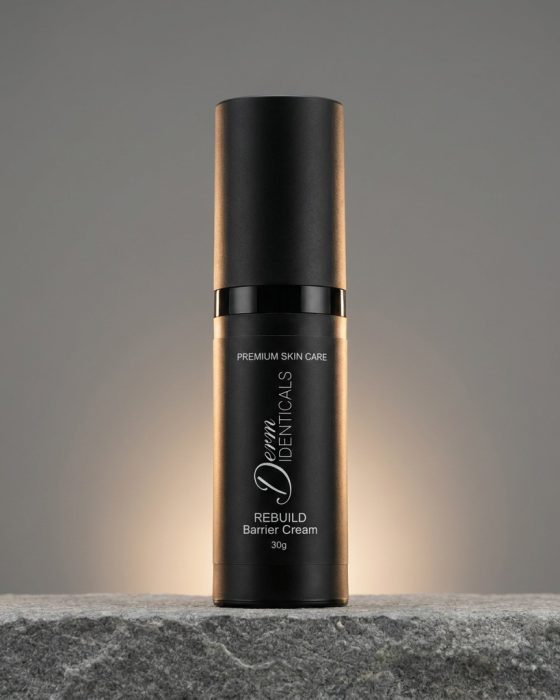
Cosmetic peptides and biomimetic technologies may also have a place when the aim is long-term skin quality, firmness and recovery. Their value lies in targeted well considered formulations like our Rebuild Barrier Repair cream which contains a combination of Vitamin B12, Vitamin B3 (niacinamide), our hyaluronic acid multi-weight complex, our ceramide complex containg 5 ceramides, a skin barrier supporting cosmetic peptide, Stabilised Vitamin C and Ectoin formulated to help support the natural skin barrier function, reduce the appearance of redness, help support damaged skin and support overall skin texture.
Be cautious with common irritants
A product does not need to be harsh to be unsuitable for a period of redness. Exfoliating acids, retinoids and vitamin C can be highly effective for pigmentation, texture and age-related concerns, but their frequency and format need to match the state of your skin.
If your skin is stinging or peeling, it may be wise to pause exfoliation and retinoid use temporarily while rebuilding tolerance. This is not a failure to use active skincare. It is a strategic adjustment. Once skin feels stable, introduce one active at a time, beginning on alternate nights or less often if needed.
Some people also find that formulas without sulphates, propylene glycol, PEGs and parabens are easier to tolerate. Sensitivity is individual, so these exclusions are not a guarantee, nor are they the only markers of a considered formula. They can, however, be helpful within a broader low-irritant approach.
Build a routine that gives skin room to recover
In the event of a skin flare up during the initial treatment stage we recommend you begin with a gentle sulfate free cleanser like our Refresh Moisturising Cleanser that removes sunscreen, makeup and daily impurities without leaving the face tight or squeaky. Cleanse once in the evening with a water rinse in the morning.The apply our calming Relief Serum both morning and night. This will help reduce the appearance of redness and inflammation. Follow it with our Rebuild barrier repair cream to provide all the ingredients required to support your skin barrier function.
Once your skin has settled down and recovered a long term skin care routine should be established. For most redness-prone skin, a simple routine is easier to maintain and more revealing than a complicated one. Again begin with a gentle sulfate free cleanser like our Refresh Moisturising Cleanser. It can be used morning and night if tolerated otherwise stick with once a day cleaansing as outlined above.
After cleansing, if required apply a hydrating specialty serum followed by a barrier-supporting fragrance-free moisturiser that helps reduce transepidermal water loss. The final step during the day is broad-spectrum sunscreen. UV exposure can aggravate redness and undermine work being done to support the barrier, even on overcast Australian days.
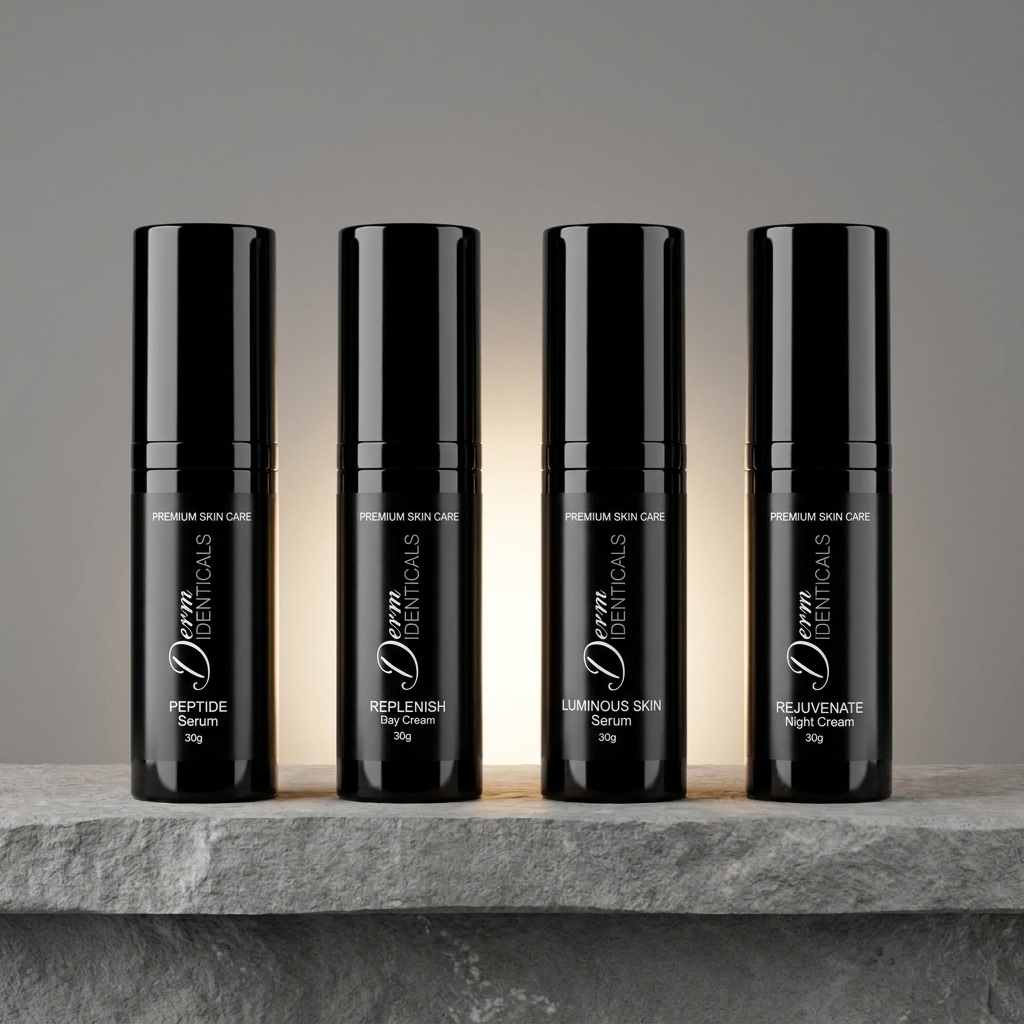
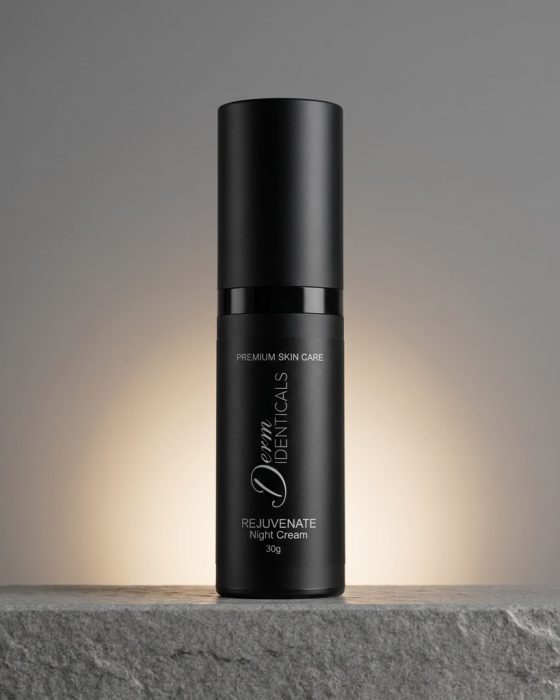
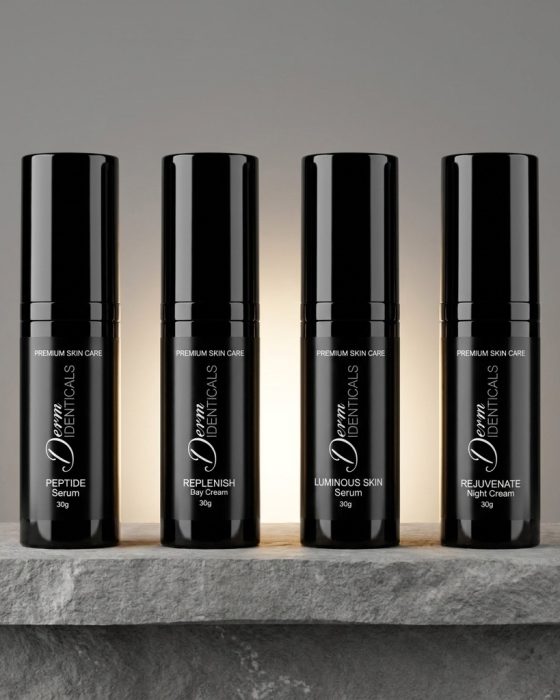
At night, the same gentle foundation applies. If you are using a retinoid (we recommend our gentle HPR based Rejuvenate Night Cream) or brightening serum avoid introducing them together. Avoid all but the most gentle exfoliating acids. There is no prize for tolerating a routine that leaves skin hot, itchy or flaky.
Introduce change slowly
Patch testing is useful, but it is not perfect. Apply a small amount of a new product to a discreet area, such as behind the ear or along the jawline, for several days. If no reaction occurs, introduce it to the face two or three times a week before progressing.
Keep the rest of the routine stable during this period. If redness increases, stop the newest addition and return to the simple routine that your skin tolerates. This method is slower than changing everything at once, but it gives you a clearer answer about what is helping and what is not.
When redness needs professional advice
Persistent redness accompanied by burning, scaling, bumps, swelling or eye irritation deserves medical assessment. Conditions such as rosacea, eczema, seborrhoeic dermatitis and allergic contact dermatitis can look similar at first glance, yet require different management. Skincare can support comfort and barrier health, but it should not replace appropriate diagnosis or prescribed treatment.
Seek advice promptly if redness appears suddenly, spreads quickly or follows a strong reaction to a product. In the meantime, stop suspected triggers, avoid scrubs and acids, and keep cleansing and moisturising as gentle as possible.
Redness-prone skin does not need a punishing routine or a cupboard full of products. It needs consistency, intelligent formulation and enough patience to let the barrier respond. Choosing fragrance-free products is a practical way to remove one avoidable variable, leaving more room for the ingredients that help skin feel calm, hydrated and capable over the long term.