Retinol can be one of the most effective ingredients for visible skin ageing, uneven tone and texture, yet it is also responsible for many irritation stories. The best retinol for sensitive skin is not necessarily the highest percentage or the fastest-acting formula. It is the one your skin can tolerate consistently while maintaining a healthy barrier.
For reactive skin, results come from formulation intelligence and a measured routine. A well-chosen retinoid should support gradual renewal without leaving skin persistently red, tight, flaky or uncomfortable.
What makes retinol challenging for sensitive skin?
Retinol is part of the vitamin A family. Once applied, the skin converts retinol through a series of steps into retinoic acid, the form that interacts with skin cells. This process can encourage epidermal renewal, support collagen production and help improve the appearance of fine lines, uneven pigmentation and congestion over time.
Retinal, also called retinaldehyde, is another vitamin A option. It requires one less conversion step than retinol before becoming retinoic acid, so it can be highly effective at lower concentrations. However, it can still cause irritation. The same activity can temporarily disrupt the outermost layer of the skin, particularly when it is introduced too quickly. Sensitive skin may already have a less resilient barrier, meaning moisture escapes more readily and external irritants can penetrate more easily. Add an aggressive retinoid schedule, exfoliating acids or a fragranced formula, and inflammation can outpace the benefits.
Some dryness or mild flaking during the adjustment period can occur. Burning, swelling, cracked skin, persistent stinging or a worsening rash are not signs that the product is “working”. They are signs to pause and focus on barrier recovery.
Best retinol for sensitive skin: what to look for
The ideal formula combines an appropriate form of retinol with a calm, considered base. A new generation retinoid has been developed which we believe is the best currently available. It is called Hydroxypinacolone Retinoate (HPR). It is more effective, more stable and far less irritating than both retinol and retinal. Unlike these two it also binds directly to the retinoid receptor without the need for any conversion into retinoic acid.
Start with a lower effective strength
For most sensitive-skin users, if using retinol or retinal a low-strength is the sensible entry point to begin building tolerance, particularly if you have never used vitamin A skincare or have a history of eczema, rosacea-prone skin or barrier impairment. Regular use of a gentler formula is generally more productive than repeated cycles of irritation and recovery.
However with Hydroxypinacolone Retinoate being far less irritating those with sensitive skin or new Vitamin A users can start on higher strengths and benefit straight away rather than having to build up over time. We do however warn for sensitive skin types not to start on strengths above 0.15% as it can cause irritation in some.
Choose a barrier-conscious vehicle
Sensitive skin responds well to a retinoid delivered in a moisturising, biomimetic cream or serum base. Look for skin-identical lipids such as ceramides, cholesterol and fatty acids, alongside humectants including glycerin, propandiol and hyaluronic acids. These ingredients help retain water and support the lipid structures that keep the skin barrier cohesive.
Niacinamide can also be a useful companion when included at a comfortable concentration. It supports barrier function and can help improve the appearance of uneven tone. For highly reactive skin, however, the most sophisticated ingredient list is not always the best list. A deliberately reduced formula can make it easier to identify what your skin tolerates.
Avoid unnecessary sensitivity triggers
A retinoid product does not need fragrance, essential oils or a long list of additional ingredients to perform. Fragrance is a common source of reactivity, particularly in a routine already using a biologically active ingredient. Similarly, pairing retinoids in the same formula with strong exfoliating acids may be unnecessarily challenging during the early stages.
DermIdenticals approaches active skincare through a CLEANICAL standard: clinically oriented, fragrance-free formulas with a deliberately reduced ingredient load and without common sensitivity triggers such as parabens, sulfates, PEGs and propylene glycol. This type of formulation philosophy is particularly relevant when skin needs performance without unnecessary stress.
How to introduce retinol without compromising your barrier
If using retinol or retinal apply a pea-sized amount for the entire face after cleansing and allowing the skin to dry. Damp skin can increase penetration and may make retinol feel more irritating. Avoid the immediate eye area, eyelid creases, corners of the nose and lips unless the product is specifically designed and tested for those areas.
Begin with one night each week for two weeks. If your skin remains comfortable, increase to two non-consecutive nights weekly. From there, build gradually towards every second night or a frequency that remains comfortable. Many sensitive-skin users do well with two or three applications per week long term.
If you are particularly reactive, use the sandwich method. Apply a simple barrier-support moisturiser first, then retinol, followed by another light layer of moisturiser. This can slightly buffer the retinoid while helping reduce dryness. It may slow the onset of visible results, but it often makes consistent use possible, which is the more valuable outcome.
On non-retinol nights, keep the routine quiet: gentle cleanser, hydrating serum if desired, and moisturiser. During the first month, avoid using leave-on AHAs, BHAs, exfoliating pads or peel treatments on the same evening as retinol. Once your skin is stable, these ingredients may be alternated on separate nights, but not every sensitive skin type will need both.
If you decide to use Hydroxypinacolone Retinoate instead of retinol or retinal then things get much easier. Apply every other night for a week or so. If there are no signs of irritation then move onto nightly applications.
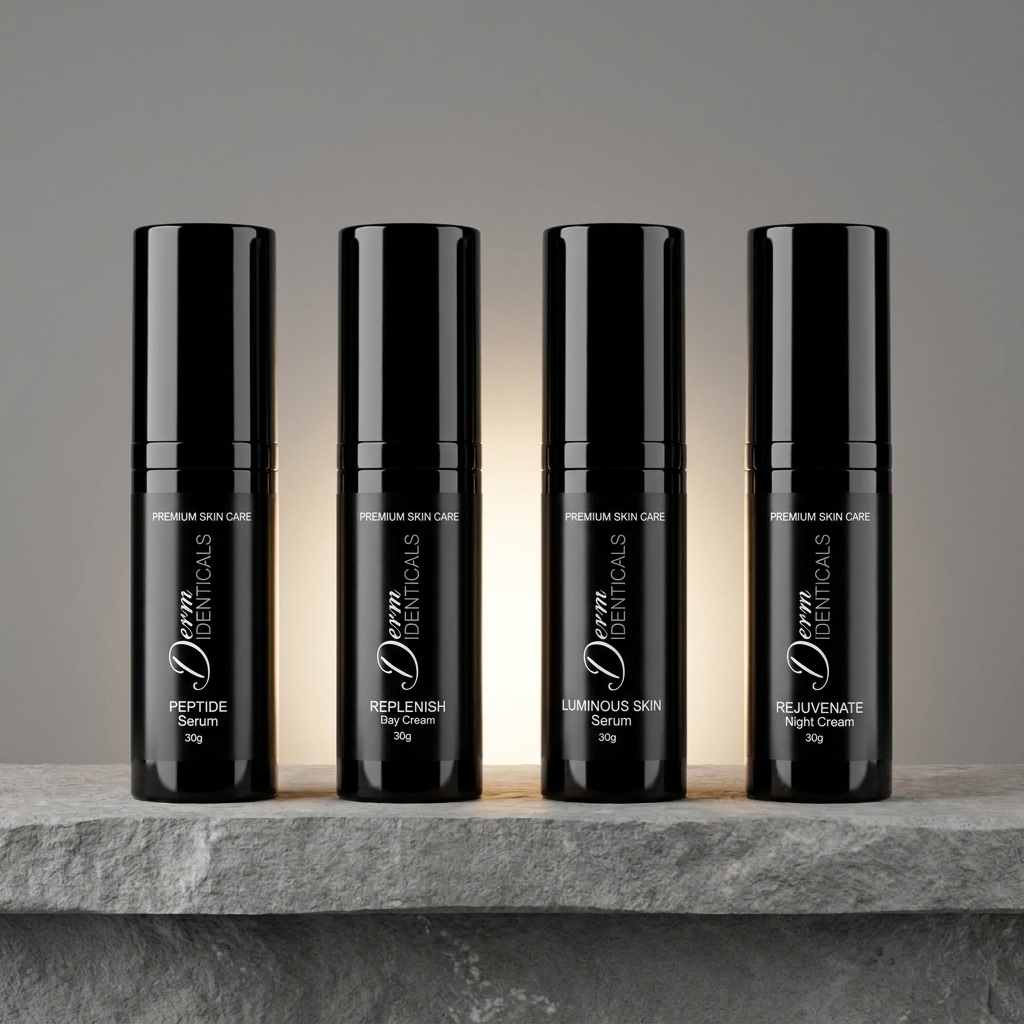
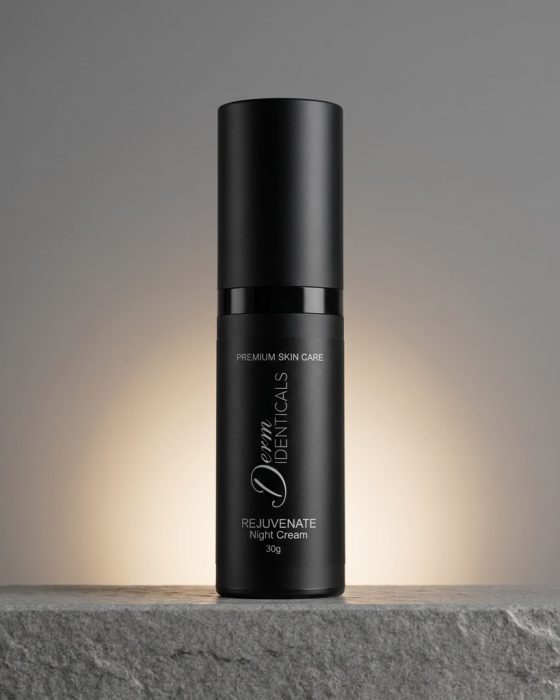
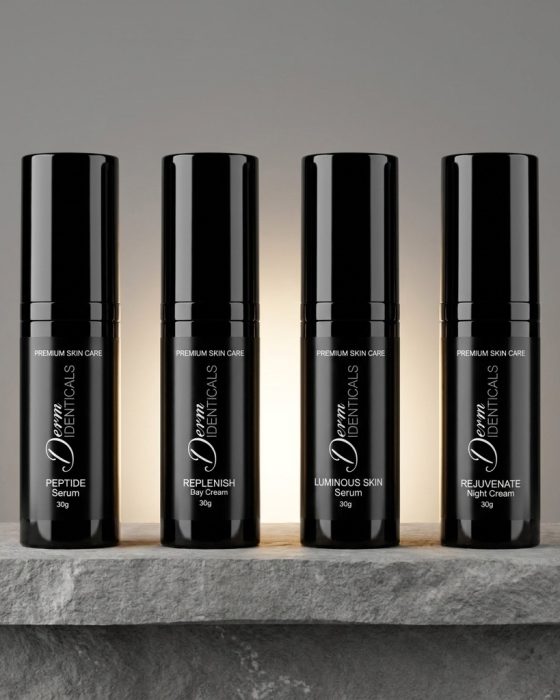
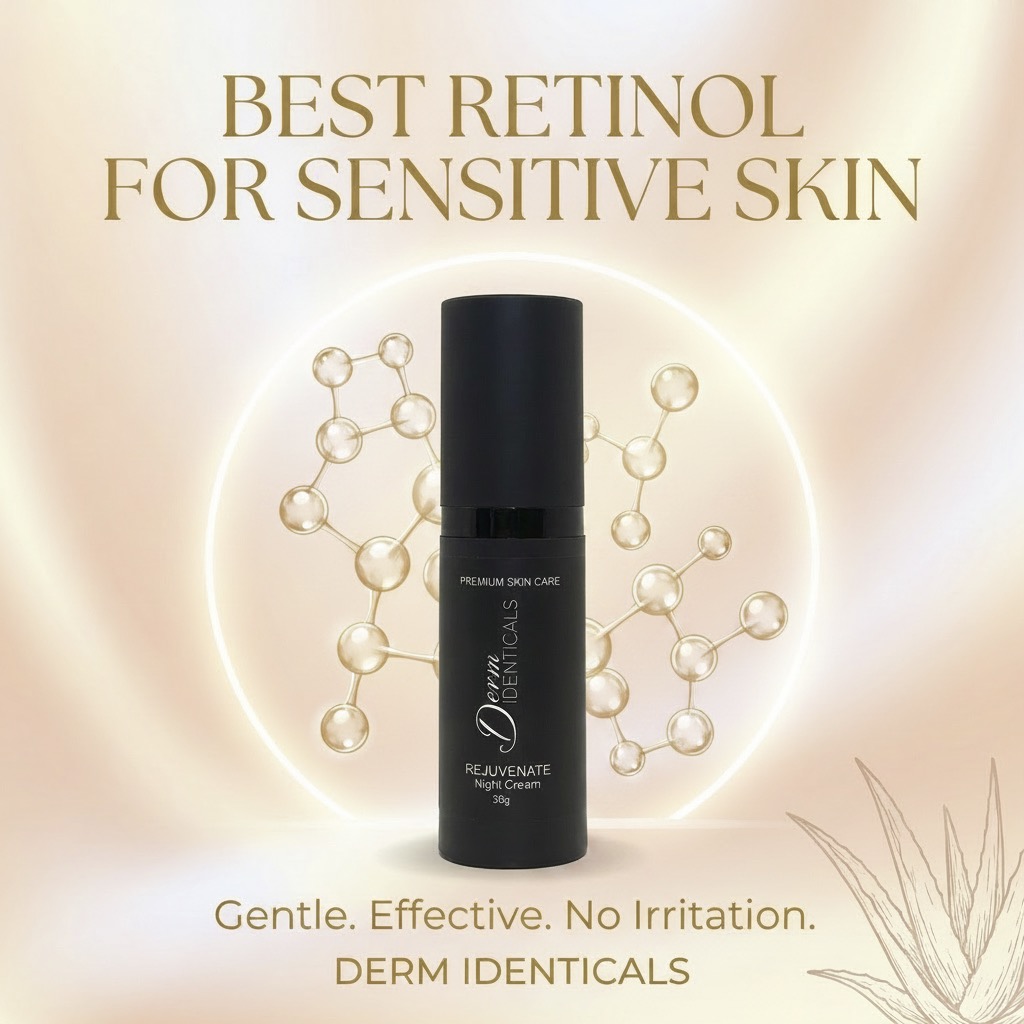
Our Rejuvenate Night Cream contains HPR along with PDRN, peptides and more combined with ceramides, fatty acids, moisturisers including multi-weight hyaluronic acid and more.
The morning routine matters as much as the night routine
Retinoids do not thin the skin, but it can make dry, unsettled skin more vulnerable to environmental stress while you are adapting. Daily broad-spectrum SPF is essential, especially in the Australian climate. Apply it every morning and reapply when spending extended time outdoors.
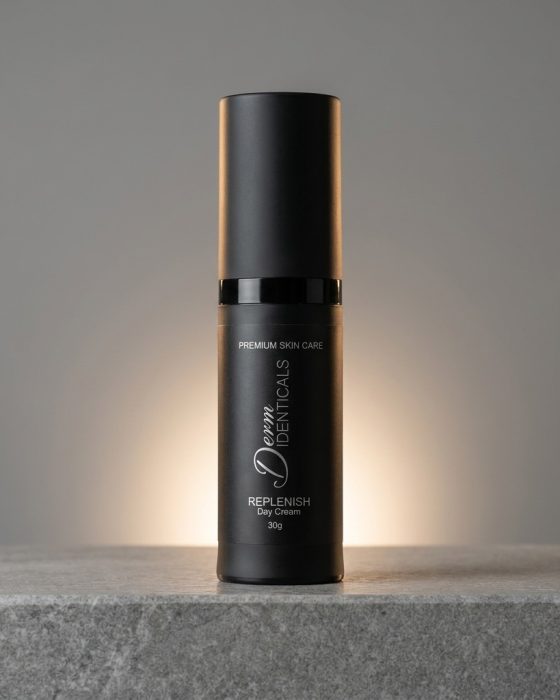
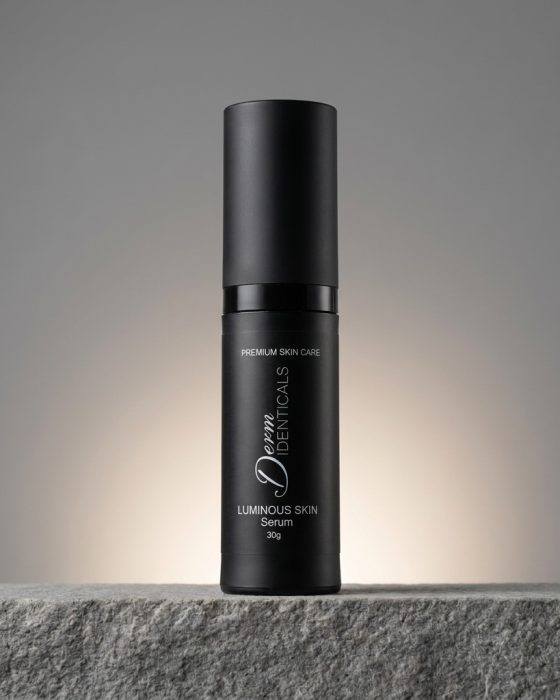
A straightforward morning routine can include a gentle cleanse like our Refresh Hydrating Cleanser, followed by a quality moisturiser like our Replenish Day Cream, and sunscreen. If your treating a specific skin concern then you can add a specialty serum like our Vitamin C serum or Restore Brightening Serum after cleansing. Remember barrier health is the foundation on which active skincare performs best.
When retinol may not be the right choice
Retinoids are not recommended during pregnancy or breastfeeding unless your treating health professional advises otherwise. It is also wise to seek personalised advice if you have active eczema, rosacea flare-ups, perioral dermatitis, a damaged barrier following a procedure, or are using prescription retinoids or acne treatments.
There are times when pausing is the most strategic choice. If skin feels hot, repeatedly stings when plain moisturiser is applied, or develops widespread flaking, return to a gentle barrier-focused routine until comfort is restored. Restart only when the skin is calm, and at a lower frequency.
How long should you wait for results?
Retinoids rewards patience. Smoother-looking texture and a more refined surface may become noticeable after 8 to 12 weeks of consistent use. Improvements in the appearance of fine lines, pigmentation and firmness generally require several months, alongside daily sun protection.
Photography can be useful, provided you take images in the same lighting and at similar intervals. Day-to-day inspection often makes it difficult to see gradual change, while photographs can reveal progress more objectively.
The right retinol should feel like a sustainable part of your routine, not a test of endurance. Choose a carefully formulated, fragrance-free option, introduce it conservatively and let skin comfort guide each increase. That disciplined approach gives sensitive skin the best chance to become clearer, stronger and more resilient over time.