When water stings your face, your usual moisturiser suddenly burns or your skin looks shiny yet feels tight, the answer is rarely another active serum. These are common signs that the outermost protective layer of skin is under strain. Knowing how to repair skin barrier damage means temporarily shifting the goal from correction to protection – then reintroducing targeted treatment with care.
Your skin barrier can recover, but it does not respond well to a frantic, product-heavy routine. The most effective approach is measured: remove avoidable irritants, replenish the materials the barrier needs and give inflammation time to settle.
What the skin barrier actually does
The skin barrier is primarily the stratum corneum, the outer layer of the epidermis. It is often described as a brick-and-mortar structure: skin cells are the bricks, while intercellular lipids are the mortar holding them in place. Ceramides, cholesterol and free fatty acids are central to this lipid matrix.
A healthy barrier limits transepidermal water loss, helping skin retain moisture. It also reduces the penetration of environmental irritants, allergens and microorganisms. This is why barrier health influences far more than dryness. When the barrier is compromised, skin may become reactive, rough, flaky, red, congested or unexpectedly oily as it attempts to compensate for dehydration.
The challenge is that many effective cosmetic actives can cause irritation when frequency, concentration or product combinations exceed what an individual’s skin can tolerate. Retinoids, alpha hydroxy acids, beta hydroxy acids and potent vitamin C formulations all have a place in evidence-led skincare. During a barrier flare, however, even well-formulated actives may need to pause.
Signs your routine may be compromising your barrier
Skin barrier disruption is not always dramatic. Persistent tightness after cleansing, fine dehydration lines, makeup catching on dry patches and a sudden loss of tolerance to familiar products can all be early warnings. You may also notice redness around the nose, mouth and cheeks, or breakouts alongside dryness rather than in place of it.
Consider recent changes before blaming your skin type. Have you introduced a retinoid and an exfoliating acid in the same week? Increased exfoliation to address pigmentation? Switched to a foaming cleanser, started using hot water or spent more time in wind, air conditioning or winter sun? In Australia, high UV exposure can add further stress to an already vulnerable barrier.
Rosacea, eczema, contact dermatitis, acne treatments and some prescription medicines can produce similar symptoms. If you have marked swelling, cracking, weeping, intense itch, a spreading rash or symptoms that persist despite simplifying your routine, seek advice from a GP or dermatologist. Skincare can support barrier function, but it should not replace medical assessment.
How to repair skin barrier function with a reset routine
Barrier repair is not about doing nothing. It is about using fewer products with clearer purposes, for long enough to assess the response. Most people benefit from a two- to four-week reset, although recovery time depends on the degree of irritation, the climate and any underlying skin condition.
1. Pause the likely triggers
Temporarily stop leave-on exfoliants, scrubs, at-home peels, retinoids and high-strength treatment serums if they sting or worsen redness. Avoid layering several active products simply because each addresses a different concern. Pigmentation, uneven texture and fine lines matter, but pushing through irritation can prolong the problem and may worsen post-inflammatory pigmentation.
Fragrance, essential oils and heavily fragranced cleansing products can also be unhelpful for reactive skin. A reduced ingredient load is not automatically better in every formula, but it can make it easier to identify what your skin accepts while it is unsettled.
2. Cleanse without stripping
Cleanse once in the evening with lukewarm water and a mild, sulfate free milk cleanser like our Refresh Hydrating Cleanser. In the morning, a water rinse may be enough for many dry or sensitised skin types. The objective is to remove sunscreen, makeup and daily build-up without leaving the skin squeaky, tight or uncomfortable.
Technique matters as much as the product. Avoid cleansing brushes, washcloth friction and prolonged rubbing. Pat the face dry with a clean soft towel, leaving it slightly damp before applying moisturiser.
3. Rebuild with biomimetic lipids and humectants
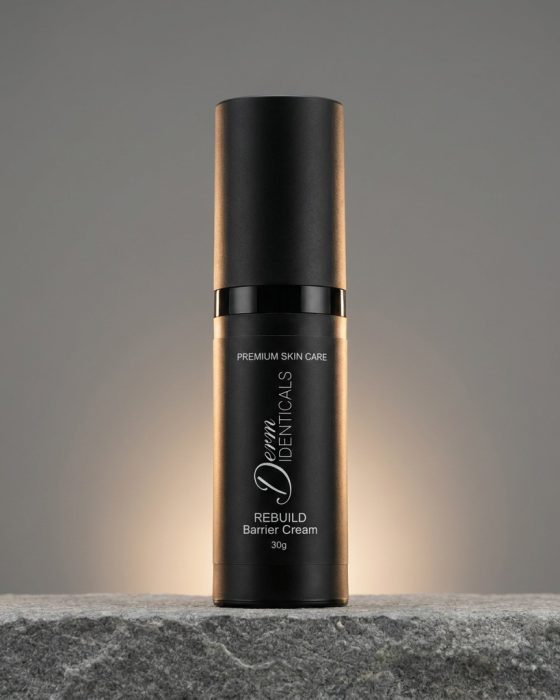
A practical barrier-support moisturiser should combine water-binding ingredients with emollients and skin-identical lipids. Humectants such as glycerin, hyaluronic acid and panthenol draw and hold water in the upper layers of skin. Emollients soften roughness and improve flexibility. Ceramides, cholesterol and fatty acids help support the lipid architecture that limits water loss. Our Rebuild Barrier cream was formulated specifically for this purpose. If redness and inflammation is also present you could also add our calming Relief Serum to reduce the appearance of inflammation.
Hyaluronic acid alone can give a temporary hydrated feel, but very dry or compromised skin generally needs a lipid-rich cream over the top to reduce evaporation. Conversely, acne-prone skin may prefer a lighter lotion or gel-cream with barrier-support ingredients. Repair does not have to mean a heavy, greasy finish.
Apply the moisturiser morning and night, and consider the Relief Serum if inflammation is present to be applied under the moisturiser. Sensitive skin often tolerates simple, fragrance-free formulations best during this phase. DermIdenticals approaches this principle through clinically oriented, reduced-ingredient formulations designed to support skin health without unnecessary sensitivity triggers.
4. Wear broad-spectrum sunscreen every day
UV exposure promotes inflammation, dehydration and collagen breakdown, while also making pigment concerns harder to manage. A broad-spectrum SPF 50+ sunscreen is an essential part of barrier care in Australian conditions, not merely an anti-ageing extra.
Choose a sunscreen your skin will actually tolerate and apply generously each morning. If a particular formula stings, it may be the overall vehicle, filters or added fragrance rather than sunscreen itself. Trial a gentler option rather than abandoning daily protection.
Reintroducing active ingredients without repeating the cycle
Once your skin feels comfortable with cleansing, moisturiser and sunscreen for at least several days, reintroduce different active categories at different times. Do not judge success by how much tingling you can tolerate. Mild sensation is not proof of efficacy, and persistent burning is a signal to stop.
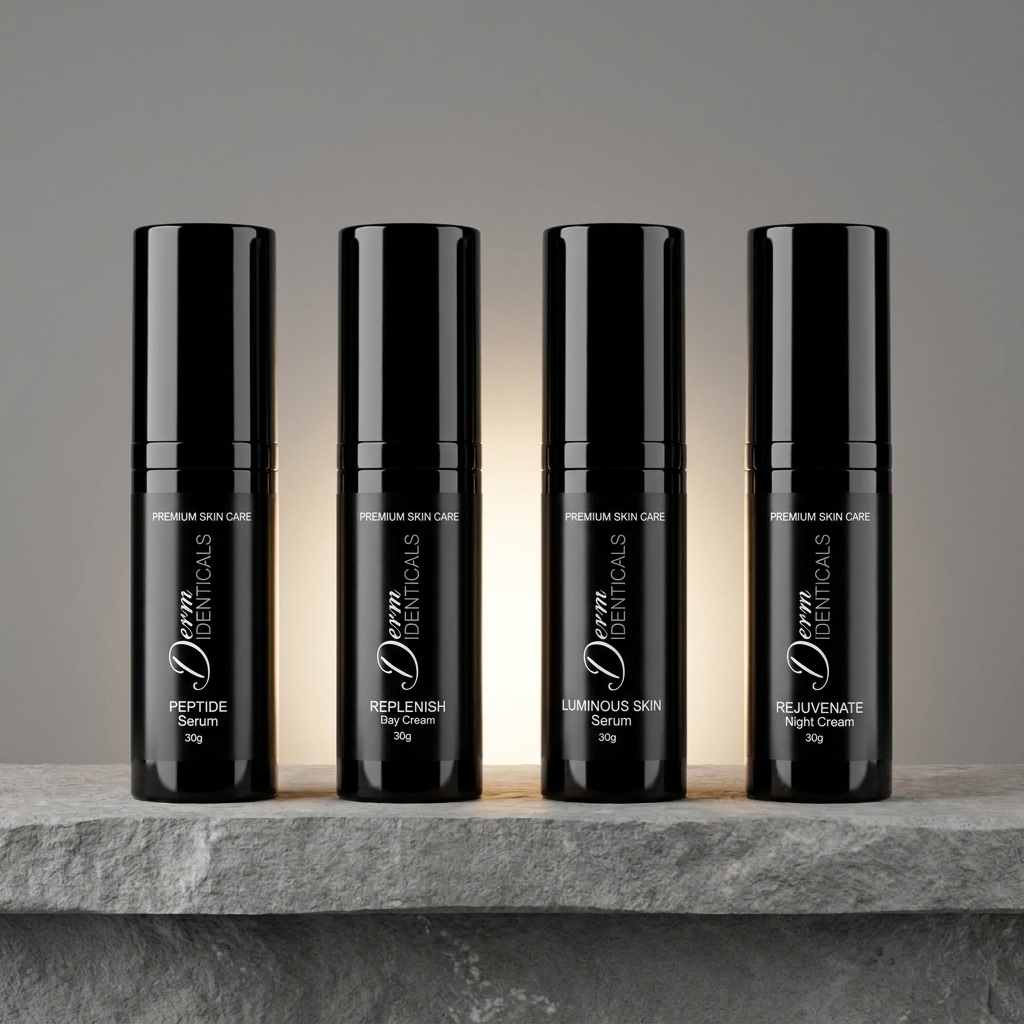
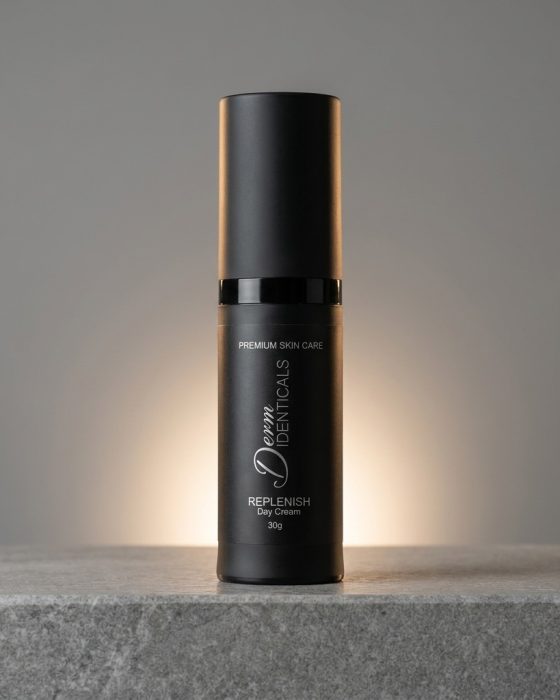
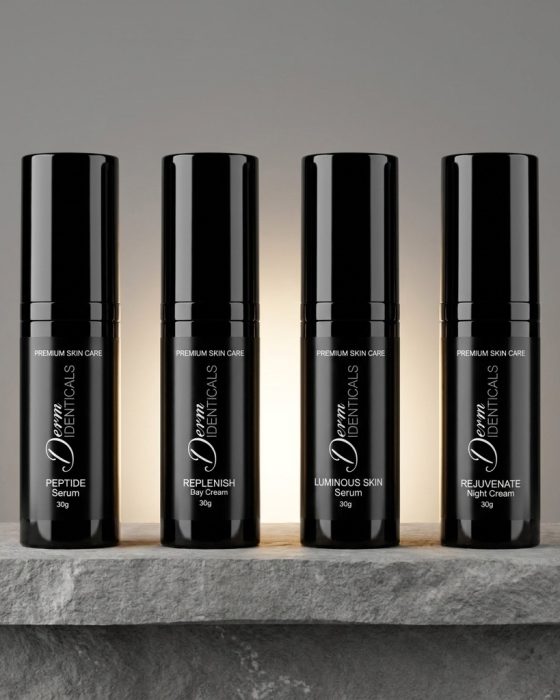
Start with a non irritating moisturiser loaded with lipids and ceramides combined with non irritating actives like exosomes, peptides, non acidic stable forms of Vitamin C and niacinamide. Our Replenish Day Cream is a perfect place to start. Use this twice daily.
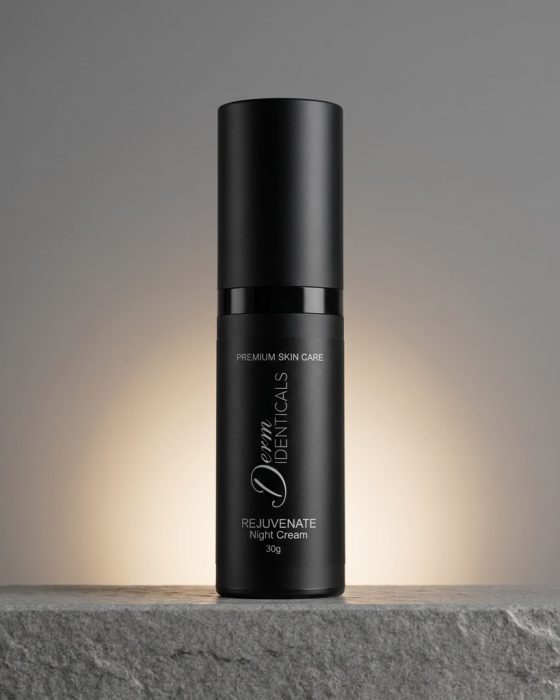
After a week or so you can start to introduce retinoids. We recommend non irritating stable forms like HPR (Hydroxypinacolone Retinoate) which is more effective than both retinol and retinal. Our Rejuvenate Night Cream is ideal for this. Use one or two nights a week. If needed, apply a moisturiser before and after it to buffer the experience but its unlikely needed if your using HPR. Introduce exfoliating acids like our Revitalise Peel on separate nights, beginning no more than weekly. For many people, particularly those with sensitive skin, there is no need to use both frequent acids and a frequent retinoid.
Vitamin C requires the same individualised approach. Some forms like Ascorbic Acid and low-pH formulas are more likely to tingle on vulnerable skin. We recommend non acidic stable forms of Vitamin C. Our Vitamin C Serum is a great option that should not cause any irritation. However start using only once a day under the moisturiser and if there is no sign of reaction you can increase to daily use.
The habits that make barrier recovery more reliable
Skincare performs best when the surrounding habits are not working against it. Keep showers warm rather than hot, avoid direct facial heat and protect your face from wind and dry air where possible. Resist picking at flakes or blemishes, as mechanical trauma can keep inflammation active.
It is also worth reviewing the products that touch your face indirectly. Hair styling products, fragranced laundry products, pillow sprays and even a new shaving product can contribute to contact irritation. If symptoms began after a change, simplify the wider environment as well as your skincare shelf.
Recovery is rarely linear. A calm week followed by dryness after a long beach day, a flight or a period of stress does not mean your routine has failed. Return to the core routine, reduce active frequency and observe the pattern rather than adding multiple corrective products at once.
When barrier care needs professional input
If sensitivity is recurrent, it may be tempting to cycle endlessly between rich creams and strong treatments. Repeated flares deserve a closer look. A dermatologist can distinguish a compromised cosmetic barrier from conditions such as rosacea, seborrhoeic dermatitis, perioral dermatitis, eczema or allergic contact dermatitis, each of which needs a different management plan.
For persistent acne or pigmentation, professional guidance can also help you build a treatment schedule that protects barrier function while still making meaningful progress. Long-term results are usually better when active ingredients are tolerated consistently than when they are used aggressively and abandoned.
Think of barrier repair as an investment in your skin’s capacity to respond well. When skin is comfortable, hydrated and less reactive, you can make smarter decisions about the advanced ingredients that follow – and give them the conditions they need to perform.