Collagen is a major structural protein found in the skin which provides the skin its structural component, or shape, while also providing its strength, durability and its plump appearance.
Collagen makes up 80 percent dry weight of our skin so its smooth, plump appearance is due in large part to the presence of healthy collagen levels. The breakdown of healthy collagen and the decline in collagen production leads to the development of unwanted wrinkles and the appearance of aged skin.
How is Collagen Made?
Collagen is produced by fibroblasts, which are specialized skin cells located in the dermis layer of the skin. In addition fibroblasts also produce other skin structural proteins such as elastin (a protein which gives the skin its ability to snap back) and glucosaminoglycans (GAGs) which make up the ground substance that keeps the dermis hydrated. Vitamin C acts as a cofactor during many steps of collagen production so without adequate levels of vitamin C, collagen formation is impaired.
The best way to maintain a healthy, youthful looking appearance is to protect the healthy collagen you currently have and to prevent future collagen degradation. UV exposure should be limited and individuals should wear a daily sunscreen to protect healthy collagen from UV damage. In addition you should protect collagen levels with oral and topical antioxidants as they prevent the degradation of existing collagen fibers and protect the healthy function of fibroblast cells. Antioxidants to apply topically include Vitamin A (retinol), E and C, lipoic acid, to name but a few.
There are many ways to promote the production of healthy collagen. First, you can provide the skin with vitamin C which is a necessary cofactor in collagen production. You can also promote the production of collagen by using chemical exfoliants, such as glycolic acid, which break down the bonds between cells of the stratum corneum and slough away dead skin. Consistent chemical exfoliation that stimulates cell renewal has also been shown to increase dermal thickness. Scientists attribute this dermal thickening to the synthesis of glycosaminoglycans and collagen within the dermis. In addition supplementing with collagen promoting peptides and nutrients also helps support collagen production. Using collagen itself as an ingredient in skin creams is ineffective as it is too large to pass through the skin until now! Recently a new generation collagen fragment has been developed. It is a remastered concept of collagen for a new collagen era. Col Frag (Nicotiana Benthamiana Hexapeptide-40 sh-Polypeptide-47) is a collagen fragment small enough to be able to absorb through the skin. This is a type 1 fully functional Collagen fragment identical to human collagen type 1. Studies show its ability to effectively reduce the appearance of wrinkle length and depth.
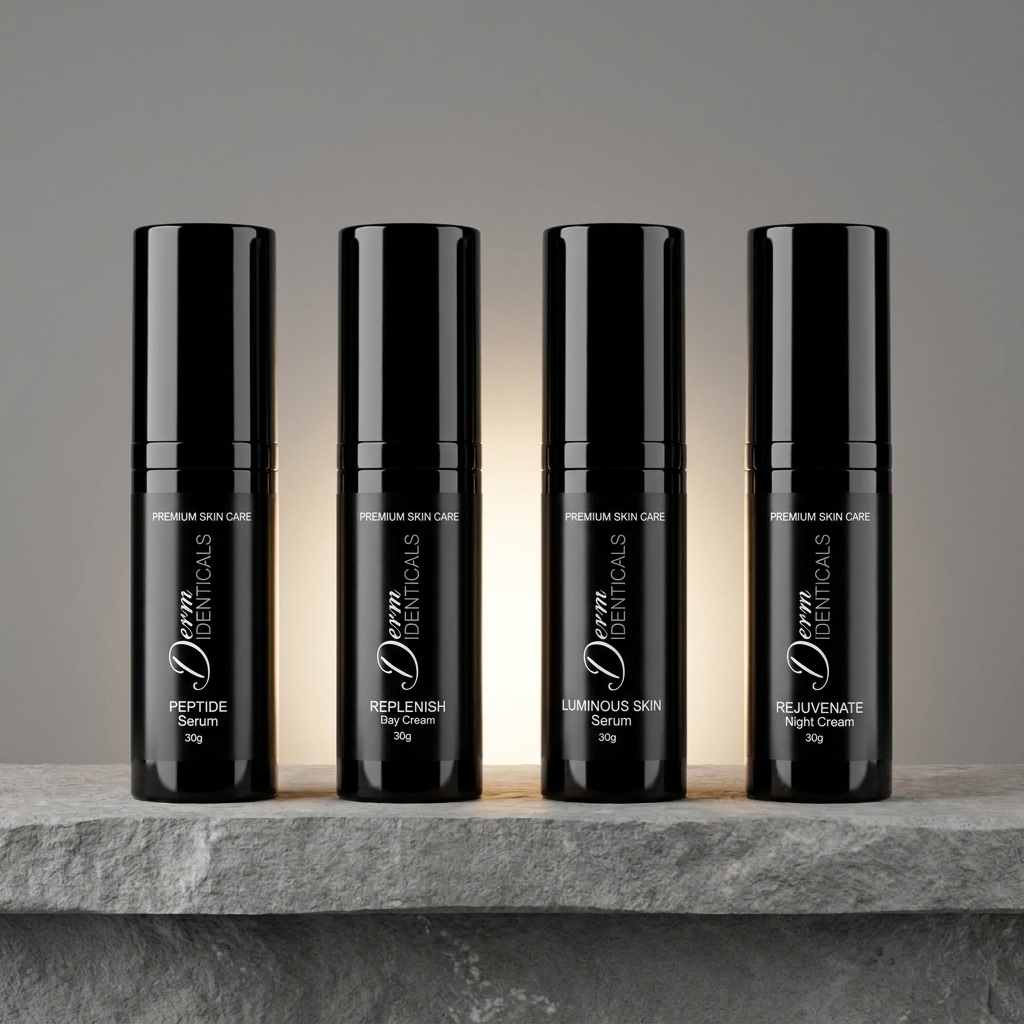
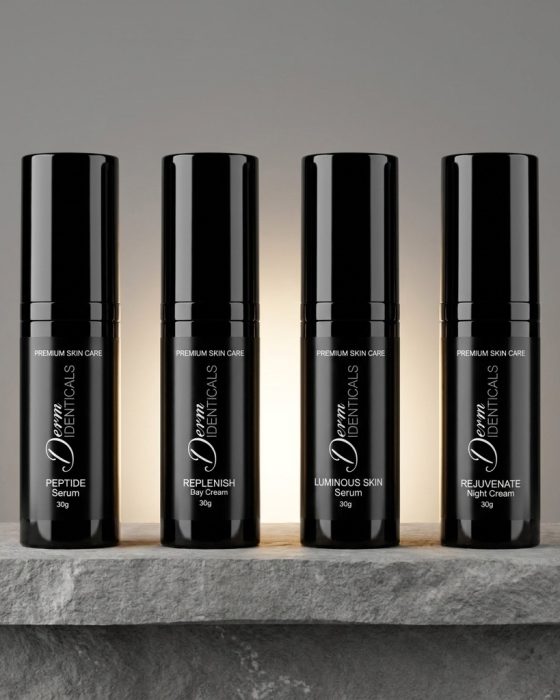
Our skin care range addresses all these areas for maximum effectiveness of our products because taking care of your skin means taking care of your collagen.